Zermatt Chalets in the Shadow of the Matterhorn
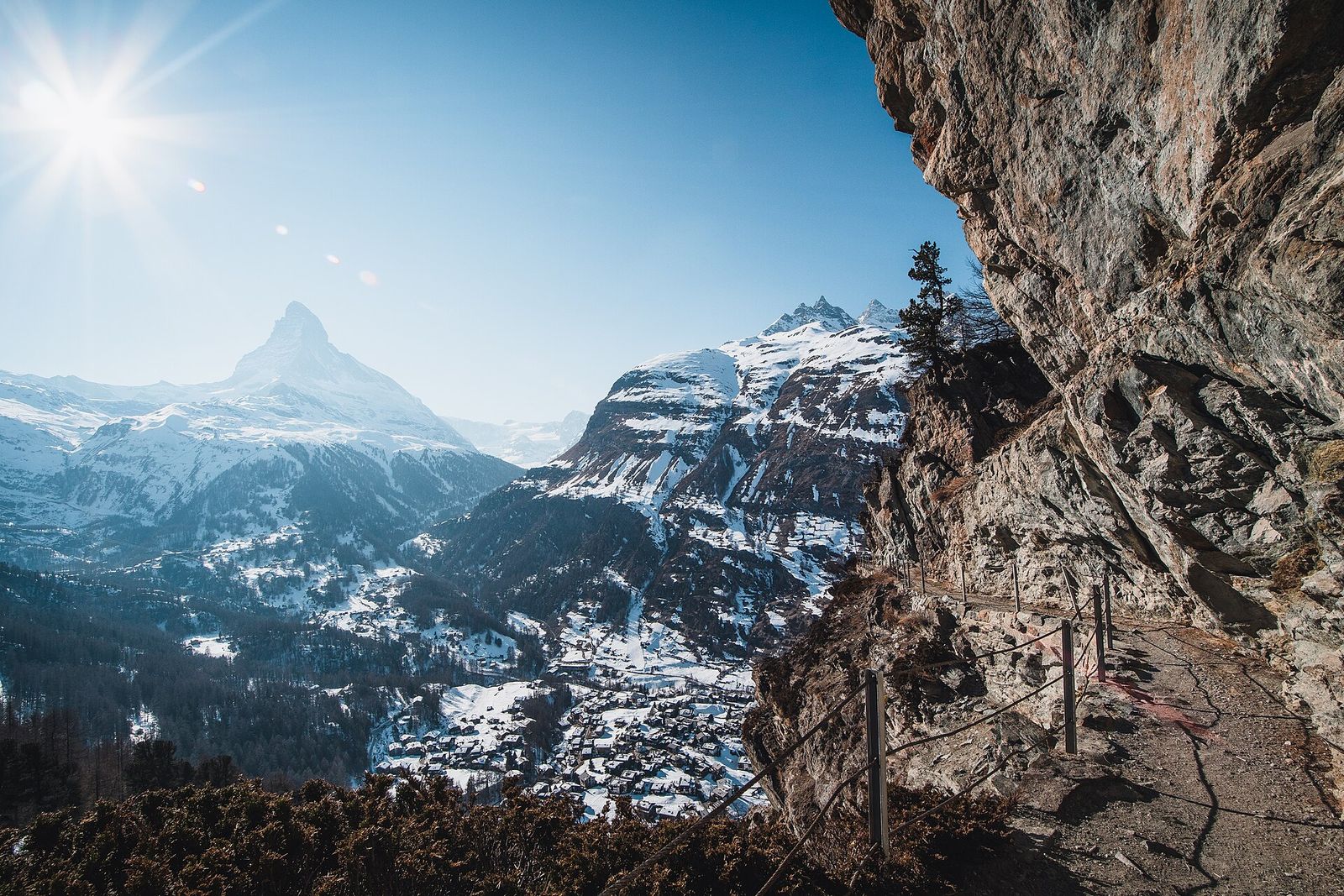
Zermatt is the kind of mountain village that seems to arrange itself around a single view. At the head of the Mattertal valley, in the Swiss canton of Valais, wooden chalets, hotels and old larch barns crowd together beneath the unmistakable pyramid of the Matterhorn. But a stay here is about more than one famous peak. Zermatt is a car free village with mountain railways, high alpine trails and some of the most extensive ski terrain in the Alps, and choosing a chalet means settling into its rhythm for a few days or weeks.
A village without cars
Combustion engine vehicles are not allowed in Zermatt for private use. Visitors park in the village of Täsch, about five kilometres down the valley, and take a shuttle train that runs frequently into Zermatt. Alternatively, trains from Visp and Brig run straight to Zermatt station. Inside the village, small electric taxis and buses carry people and luggage, and many hotels and chalet owners offer electric transfers from the station.
The result is a village that feels calm, even when it is busy. You hear footsteps, church bells and the occasional electric vehicle hum, not engines. Streets are narrow and many are steep, which is part of the charm but also something to think about when choosing where to stay.
The old village
In the Hinterdorf area, a cluster of traditional wooden buildings survives, including old larch barns and granaries standing on stone pillars topped with flat stone slabs. These "mouse stones" were designed to stop rodents climbing into stored food. Walking through this quarter shows how the village looked long before it became a world famous resort.
Choose your base by how you travel
Chalets in Zermatt range from historic, wood clad buildings in the old village to modern chalets with large windows and spa facilities on the slopes above. Some are rented as whole houses, while others are divided into apartments. Location matters a lot.
Chalets near the station and the main street are convenient for shops, restaurants and transport, but can be busier. Areas like Winkelmatten, higher up the slope, are quieter and closer to some ski lifts, while chalets in Riedweg or Steinmatte may offer more privacy and views but involve uphill walks. If you will be carrying skis or traveling with children, think about distance to lifts and to the station carefully. Ask owners or agencies about walking times and whether electric taxi access is possible to the door.
A chalet stay, not a hotel routine
A chalet stay feels different from a hotel. You choose when to eat, when to rest and how to spend your evenings. Many travelers love cooking with local ingredients from Zermatt's shops, including Valais cheeses, dried meats and rye bread. Raclette, made by melting a half wheel of cheese and scraping it onto potatoes, is a regional speciality that suits chalet evenings perfectly.
Some chalets come with catering or concierge services, while others are fully self catering. Its worth checking what is included, such as cleaning, linen and breakfast, before you arrive.
Mountain restaurants
Zermatt is also famous for its mountain restaurants, scattered across the slopes and hiking trails. Many are in old wooden huts or hamlets such as Findeln and Zmutt, and they range from simple to quite refined. Reaching one on foot or skis for lunch is one of the great pleasures here.
The Matterhorn and its story
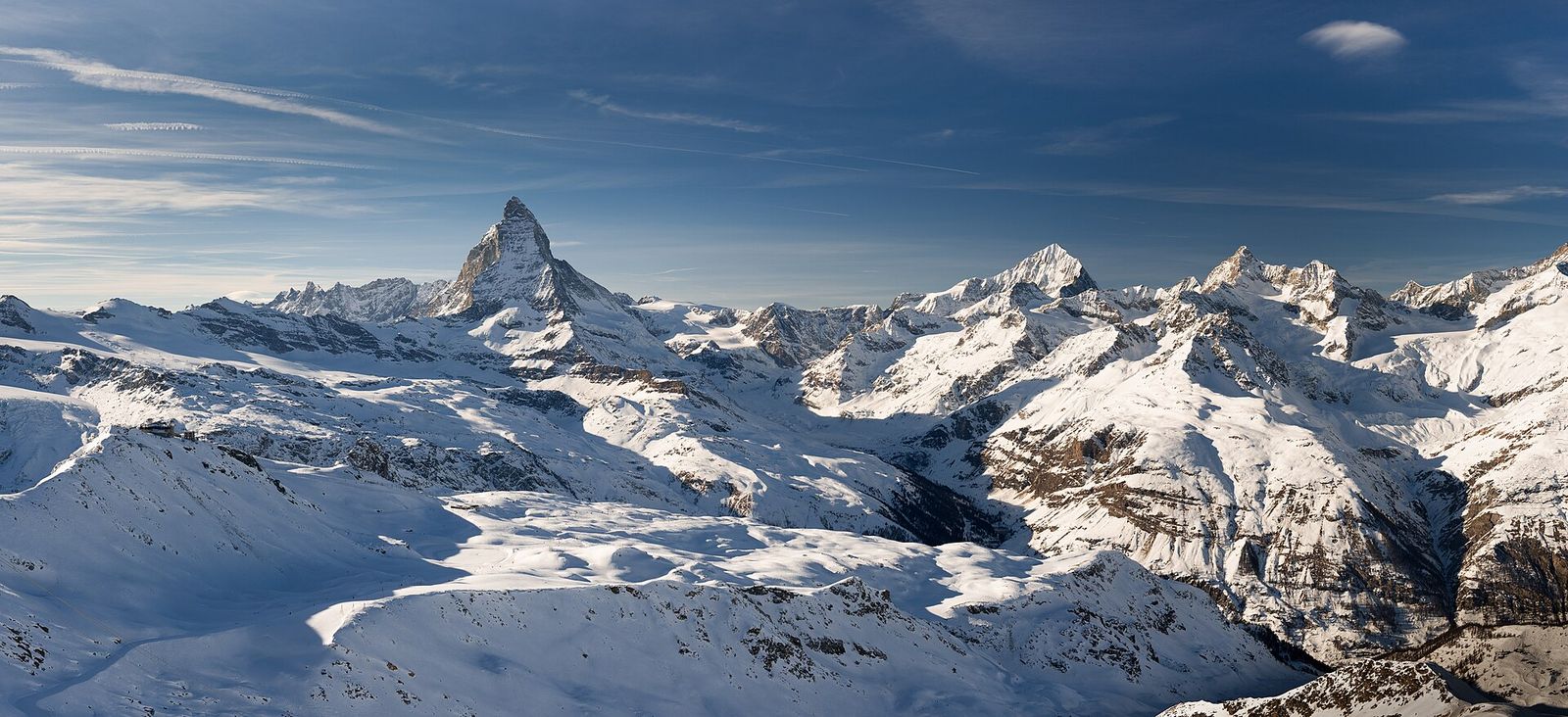
The Matterhorn rises to 4,478 metres on the border between Switzerland and Italy. Its first ascent, in July 1865, was led by the English climber Edward Whymper. On the descent, four members of the party fell to their deaths, a tragedy that made the mountain famous across Europe. The Matterhorn Museum in the village tells this story and the history of Zermatt as a mountaineering center, with exhibits about guides, climbers and village life.
Climbing the Matterhorn itself is a serious mountaineering undertaking. It requires experience, fitness and usually a certified mountain guide. For most visitors, the mountain is something to admire from the trails and viewpoints.
Outdoor access and village rhythm
Lifts and railways
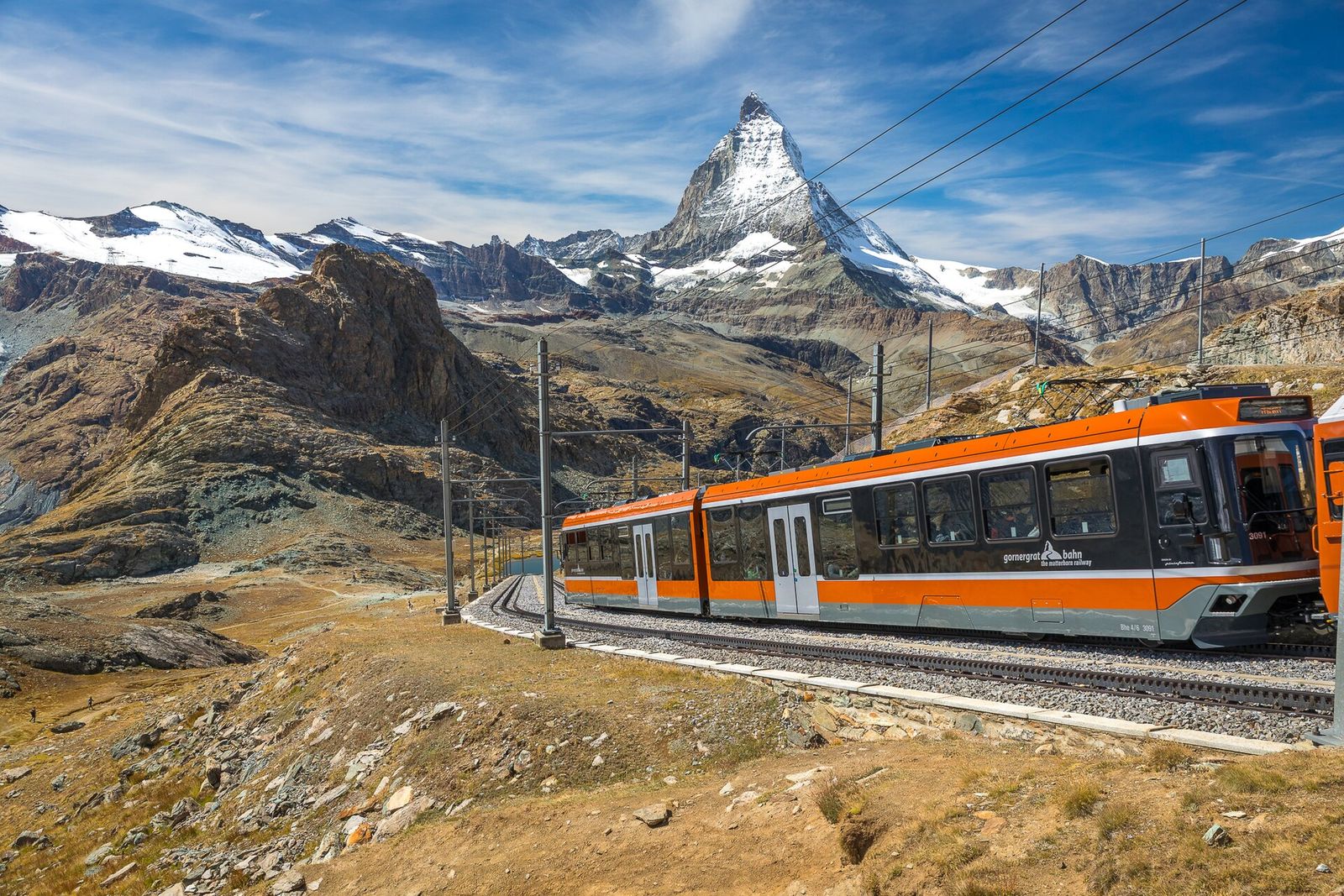
The Gornergrat railway, opened in 1898, climbs from Zermatt to the Gornergrat ridge at over 3,000 metres, with views of the Matterhorn, the Monte Rosa massif and the Gorner Glacier. The Matterhorn Glacier Paradise cable car rises to around 3,883 metres, the highest cable car station in Europe, and gives access to glacier skiing even in summer, conditions permitting. A funicular to Sunnegga leads to gentler terrain and lakes.
Hiking in summer
In summer, Zermatt has a vast network of marked trails, from easy valley walks to high alpine routes. The Five Lakes Walk from Blauherd is a classic, with reflections of the Matterhorn in lakes such as Stellisee on calm days. The trail to the Hörnli Hut, base for Matterhorn climbs, is a demanding but rewarding hike for fit walkers.
Skiing in winter
In winter, the ski area links Zermatt with Breuil Cervinia and Valtournenche in Italy, creating a large cross border domain. Bring your passport or ID if you plan to ski into Italy, and check lift passes, since some cover only the Swiss side.
Beyond the slopes
Rainy days and rest days are easy to fill. The village church and its small cemetery, where several climbers killed on the mountains are buried, are moving places for quiet reflection. The Gorner Gorge, a short walk from the village, is a narrow chasm carved by glacial meltwater, with wooden walkways above the rushing torrent. It is usually open in summer only. In the evenings, Zermatt's main street fills with people walking slowly, window shopping and glancing up to see the Matterhorn catch the last light, which is something you never quite get tired of.
The Glacier Express
Zermatt is also the western terminus of the Glacier Express, a scenic panoramic train that runs across the Alps to St. Moritz. It is often described as a slow express, the full journey taking around eight hours. Reservations are required for seats on the panoramic train, so plan ahead if you want to arrive or leave that way, its popular in every season.
When to go
Zermatt has two main seasons. Winter, usually from late November to around April, is the ski season, with glacier skiing possible beyond that depending on conditions. Summer, from roughly mid June to September, is the hiking season, when the meadows are green and high trails clear of snow. Between them, in late spring and in autumn, some hotels, restaurants and lifts close for maintenance. These periods can be quieter and cheaper, but check what will be open before you choose dates.
The village sits at around 1,600 metres, and higher lifts reach much greater altitudes. Weather in the mountains changes quickly, and even in summer it can snow at high levels.
Practical tips for a Zermatt chalet stay
- Check the walking distance and gradient from the station to your chalet. With luggage, an uphill five minutes can feel long.
- Use the Täsch shuttle train if you drive, and book parking in Täsch in advance during busy periods.
- Look at the lift schedules and seasonal closures before planning hikes or ski days.
- Pack sun protection and sunglasses year round. High altitude sun is strong, even on cloudy days.
- Bring layers and a warm jacket for high viewpoints like Gornergrat, where it can be cold in midsummer.
- Respect the mountains. Stick to marked trails, check conditions with the tourist office and never go onto glaciers without a guide.
Questions travellers ask
Can I drive to Zermatt?
Private cars are not allowed in Zermatt. You can drive to Täsch, park, and take the shuttle train into the village.
When can I hike in Zermatt?
The main hiking season is roughly mid June to September, when high trails are generally free of snow.
Is it possible to ski into Italy from Zermatt?
Yes. The ski area connects with Breuil Cervinia and Valtournenche. Check that your lift pass covers the Italian side.
Clifton Inn is an independent travel information website and does not take bookings. Details such as opening seasons and access can change, so please confirm current information with the relevant provider.
Related stories
Extraordinary Stays · 7 min read
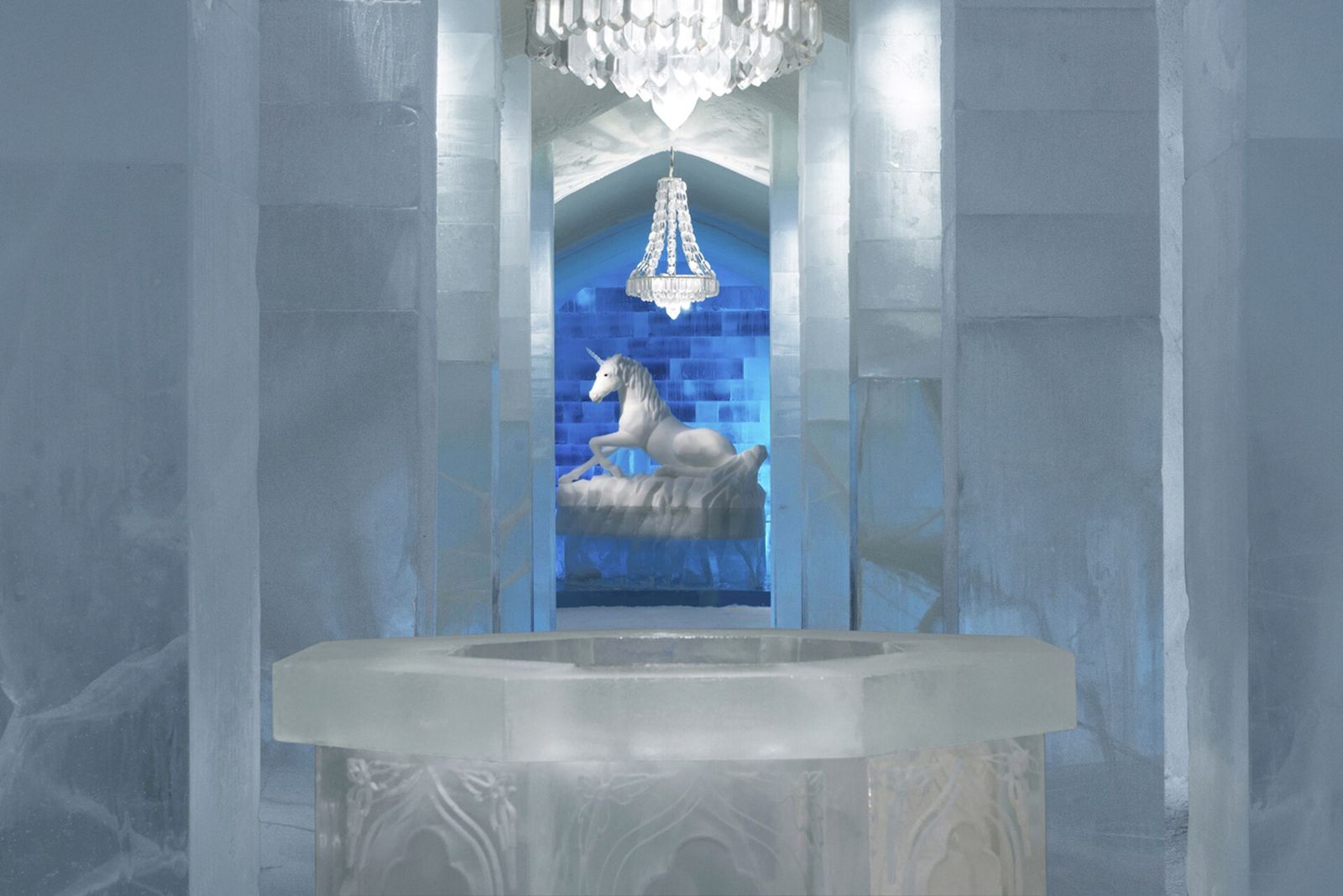
ICEHOTEL: A Hotel That Melts Back Into the River
Jukkasjärvi, Sweden
Rebuilt from Torne River ice every winter, ICEHOTEL in Swedish Lapland is part art gallery, part hotel and entirely seasonal.
Read More
Nature Escapes · 7 min read
Safari Lodges on the Edge of Kruger
Mpumalanga and Limpopo, South Africa
How to understand private-reserve and national-park stays around Sabi Sand, from game drives to practical arrival planning.
Read More
Nature Escapes · 7 min read
Cloud Forest Lodges in Monteverde
Monteverde, Puntarenas Province
A guide to staying near Monteverde's misty forest reserves, with advice on choosing a base, preparing for weather and exploring thoughtfully.
Read More