Safari Lodges on the Edge of Kruger
The Sabi Sand Game Reserve lies on the southwestern edge of Kruger National Park in South Africa, and there is no fence between them. Animals move freely across the boundary, through mopane and acacia bush, along the Sand and Sabie rivers and across open grassland. Within the Sabi Sand, a collection of private lodges ranges from small, intimate camps to larger properties. Choosing one is less about luxury and more about understanding what kind of safari you want, and how a private reserve differs from the national park next door.
Know which kind of reserve you are choosing
Kruger National Park is one of Africa's largest protected areas, managed by South African National Parks. It stretches for more than 300 kilometres from north to south and is open to self drive visitors, who travel on public roads and stay in rest camps or concession lodges. Rules in the park are clear: drivers must stay on roads, keep to speed limits and be inside camps by gate closing time. Night drives are only possible on guided activities run by the park or concessionaires.
The Sabi Sand is different. It is a private reserve, made up of several properties whose owners joined together, and its history as a formal reserve goes back to 1948. The fences between the Sabi Sand and Kruger were removed in the 1990s, creating a single, much larger ecosystem. Visitors generally stay at lodges within the reserve and explore with guides on activities arranged by their lodge.
Why this matters
Private reserves usually allow more flexible game drives. Guides may be permitted to drive off road under strict rules to follow certain animals, and night drives with spotlights are part of the daily routine. Vehicle numbers at a sighting are often limited, and lodges coordinate by radio. This can lead to close, unhurried sightings, but it also means you are relying on your lodge and guides for nearly every experience. Self drive visitors to Kruger, by contrast, have freedom but fewer opportunities to leave the road.
The lodge shapes the safari
Lodges in the Sabi Sand vary greatly in size, style and approach. Some are long established family properties, while others are newer. Some have a handful of rooms, others many more. What they generally share is a routine built around early morning and late afternoon game drives, with rest in the middle of the day when animals are least active and heat is highest.
A typical day starts before dawn with coffee, followed by a drive of several hours. Breakfast or brunch comes afterwards, then free time, perhaps a nap, swimming or a guided walk, followed by an afternoon drive that continues past sunset and into the dark. Dinner is often served outdoors or in a boma, a traditional enclosure around a fire.
Ranger and tracker
On many Sabi Sand drives, an open vehicle carries a ranger, who drives and guides, and a tracker, who sits on a seat at the front of the vehicle reading tracks and signs. Their skill makes a big difference. Good guides explain behavior, ecology and conservation, not only point out animals, and they keep the animals' welfare first.
Wildlife of the Sabi Sand
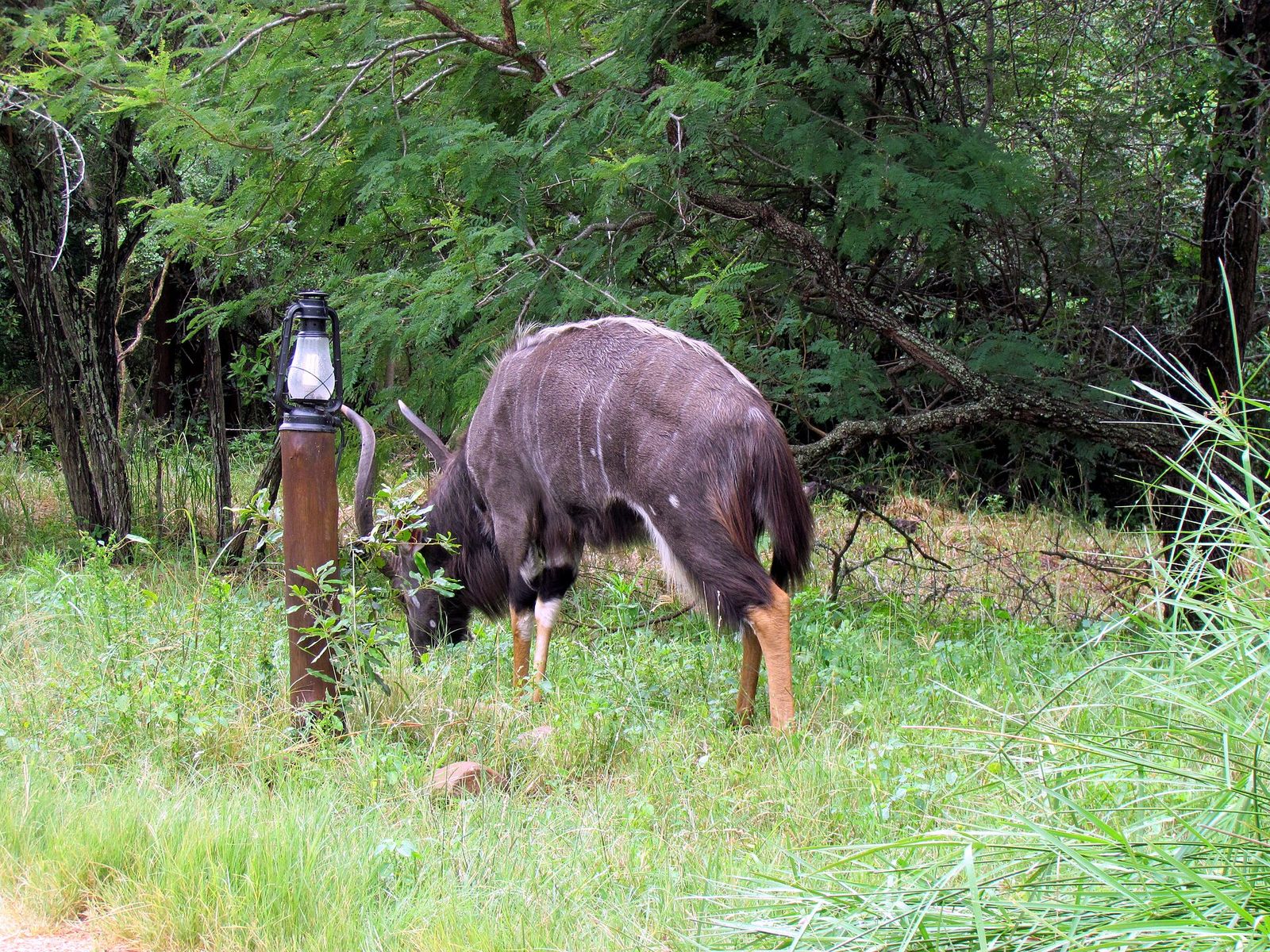
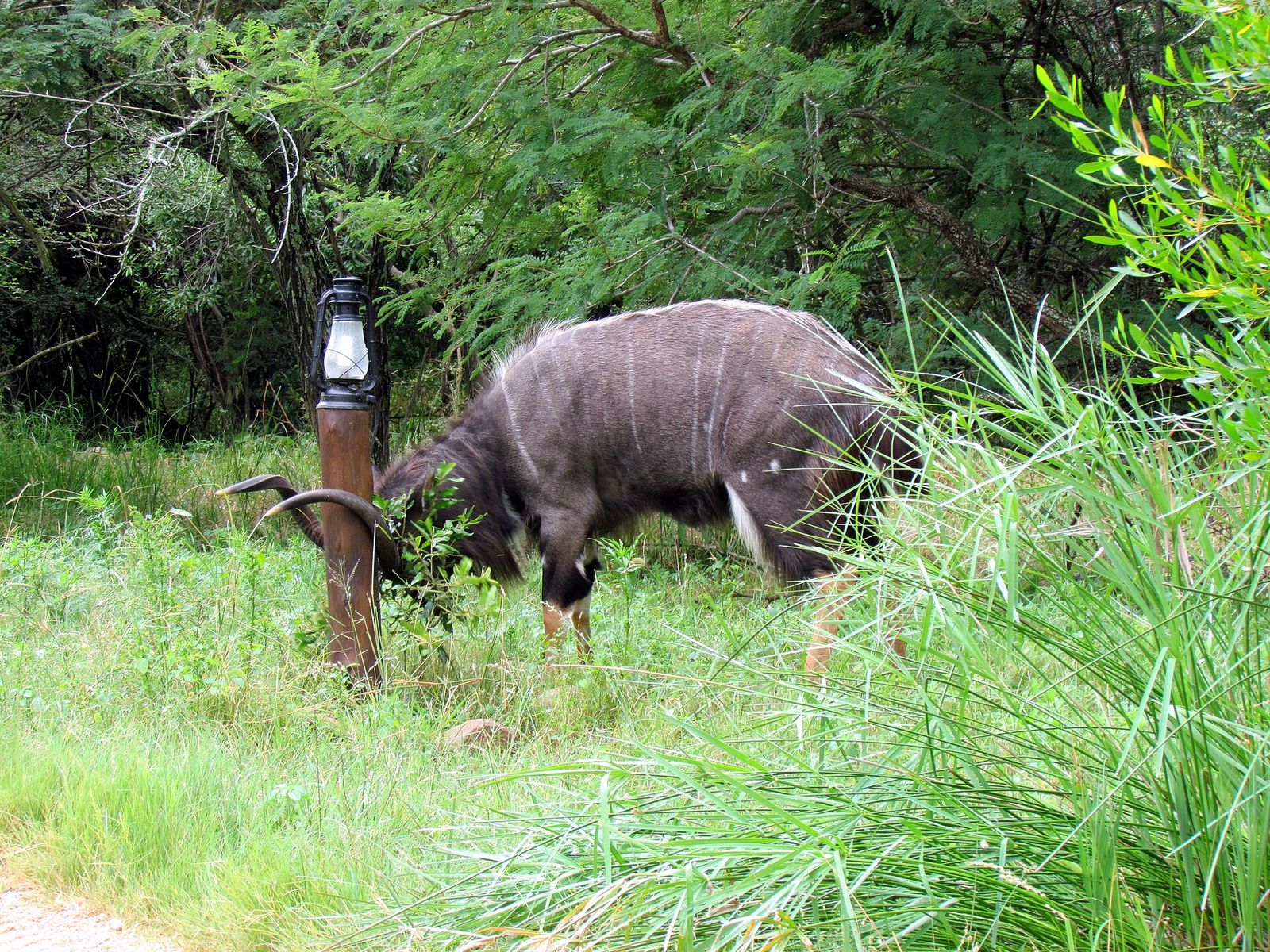
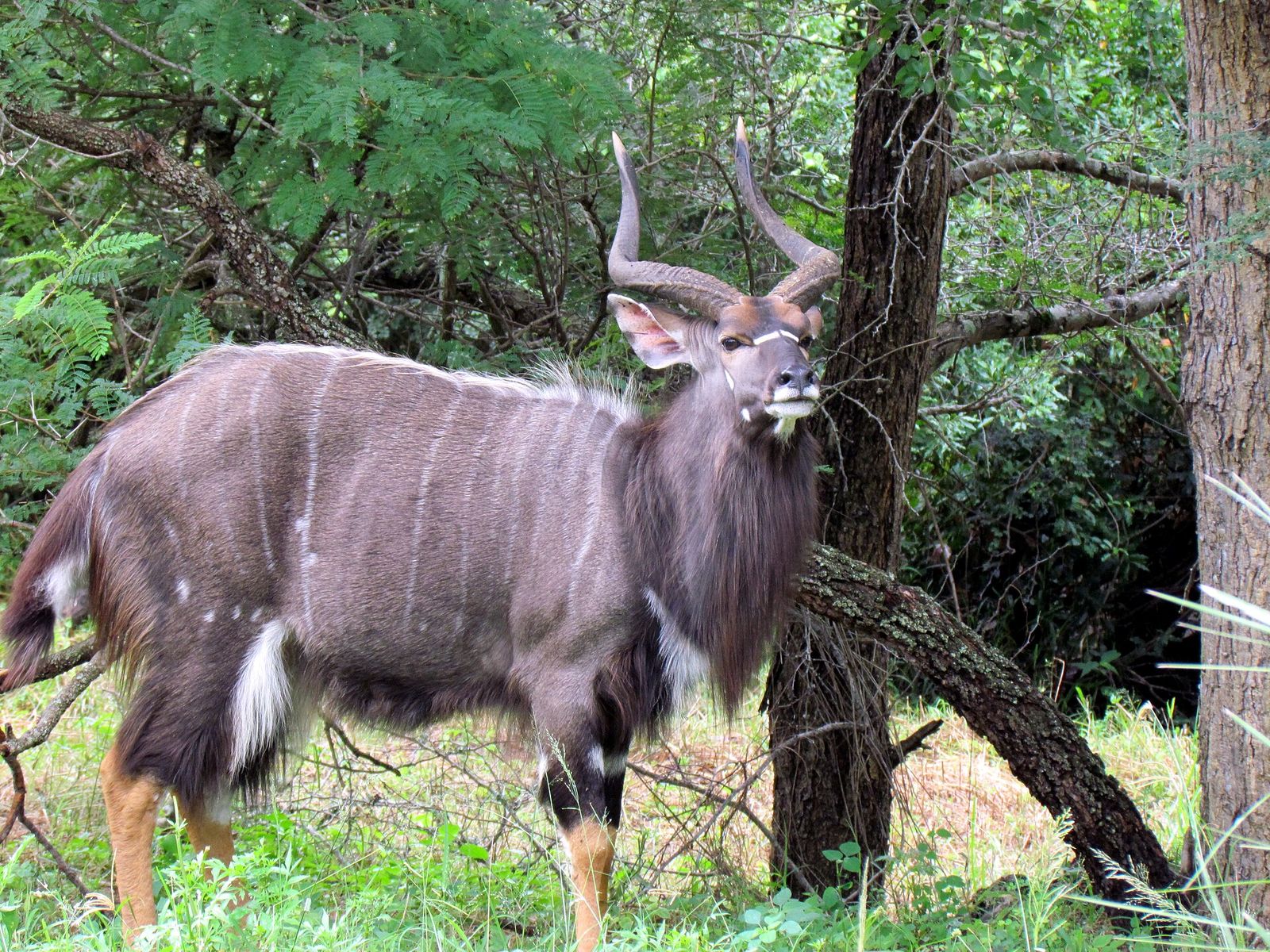
The Sabi Sand is well known for leopard sightings, and many visitors come hoping to see one. It is also home to lions, elephants, buffalo and rhinos, the "Big Five" of traditional safari language, as well as cheetahs, wild dogs, hippos, giraffes, zebras, many antelope species and a huge variety of birds. The nyala, a striking antelope with a shaggy coat and white stripes, is often seen in denser bush near the rivers.
Sightings can never be guaranteed. Animals move freely, and seasons, weather and chance all play their part. A good lodge will say so honestly.
Rhinos and conservation
Rhinos are under serious threat from poaching across southern Africa, and reserves in the Kruger region invest heavily in anti poaching work. Guides may avoid sharing exact rhino locations on social media or ask guests not to geotag photographs. Please respect these requests, they are important for the animals' safety.
Season, landscapes and responsible viewing
Dry winter
From roughly May to September, the dry season brings cooler, often chilly mornings and evenings, warm days and little rain. Vegetation thins and water sources shrink, so animals gather around rivers and waterholes. Many consider this the best time for game viewing.
Green summer
From around November to March, summer brings heat, thunderstorms and lush green bush. Many animals give birth, migratory birds arrive and the landscape looks very different. Game can be harder to see in dense vegetation, but the season has its own rewards, including fewer visitors at some times and dramatic skies.
Responsible viewing
Follow your guide's instructions at all times. Stay seated in the vehicle, keep voices low and never stand up or lean out near animals. Avoid flash photography at night unless your guide says it is fine. Remember that this is a wild place, and the animals are not there for us. Small things matter too. Phones ringing at a sighting, loud talk or constant requests to move closer all affect animal behaviour and other guests' experience. A quiet sighting where a leopard ignores the vehicle entirely is often the most rewarding kind, and good guides will choose patience over pressure every time.
Health and safety
The Kruger region is considered a malaria risk area, though the level of risk varies by season and location. Consult a travel health clinic well before your trip about prevention. Use insect repellent, wear long sleeves in the evening and sleep under nets or in screened rooms where provided. Tap water at lodges is usually safe, but ask if unsure.
Guided walks and other activities
Many lodges offer guided bush walks with an armed, qualified guide, which are a very different way of experiencing the reserve. On foot, you notice smaller details, such as tracks, dung, insects, birds and plants used in traditional medicine. Walks are usually done in the cooler morning hours and come with clear safety briefings. Some lodges also offer sleep outs on raised platforms, community visits or conservation experiences. Options vary greatly between properties, so check what is available when you compare lodges.
Getting there
Many visitors fly into Johannesburg and then take a short connecting flight to Kruger Mpumalanga International Airport near Mbombela, to Skukuza Airport inside Kruger, or to Hoedspruit. Some lodges also have their own airstrips used by small charter flights. Driving from Johannesburg is possible and takes several hours, with the final part on gravel roads within the reserve. If you drive, follow the reserve's entry procedures and be aware that gate fees and conservation levies are usually payable.
Practical tips for a Sabi Sand lodge stay
- Pack neutral colored clothing in layers. Mornings in winter can be close to freezing on an open vehicle.
- Bring binoculars for each person if you can. Sharing a pair during a sighting is frustrating.
- Check the luggage limits if you are flying on a small charter plane, as soft bags are often required.
- Ask your lodge about children's policies before choosing, since some have age limits on drives.
- Speak to your guide about what you most want to see, but keep expectations open, nature dosent follow a schedule.
- Find out whether conservation levies and gate fees are included in your arrangements or paid on arrival.
Questions travellers ask
Is the Sabi Sand fenced from Kruger National Park?
No. The fences between the Sabi Sand and Kruger were removed in the 1990s, and wildlife moves freely across the boundary.
Can I self drive in the Sabi Sand?
Generally, visitors drive only to their lodge. Game viewing within the reserve is done on guided drives with the lodge.
What is the best season for game viewing in the Sabi Sand?
The dry winter months, roughly May to September, are often considered best, as vegetation thins and animals gather near water.
Clifton Inn is an independent travel information website and does not take bookings. Details such as opening seasons and access can change, so please confirm current information with the relevant provider.
Related stories
Nature Escapes · 7 min read
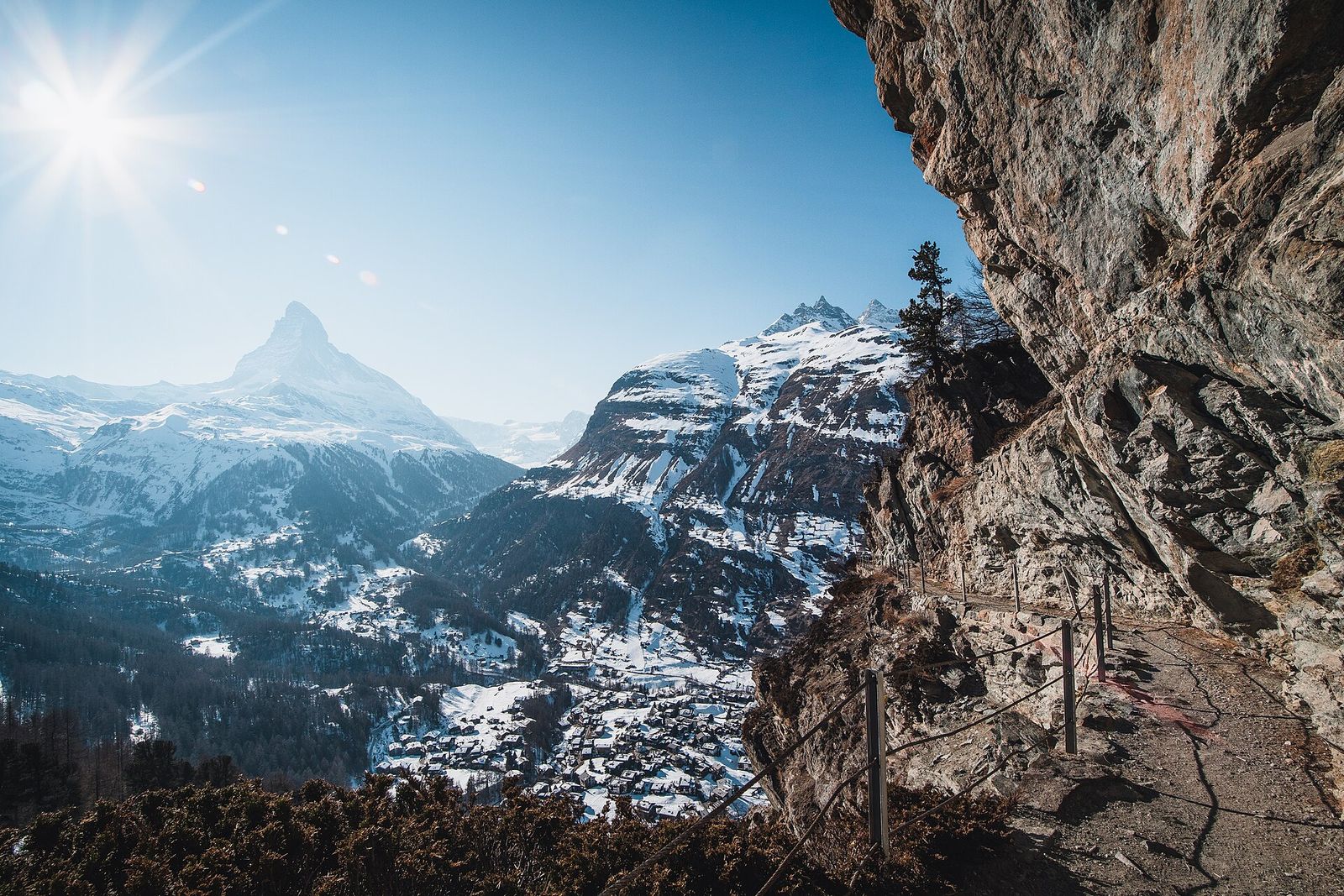
Zermatt Chalets in the Shadow of the Matterhorn
Zermatt, Valais
A practical guide to choosing a chalet in car-free Zermatt, balancing village life, mountain access and the ever-present Matterhorn.
Read More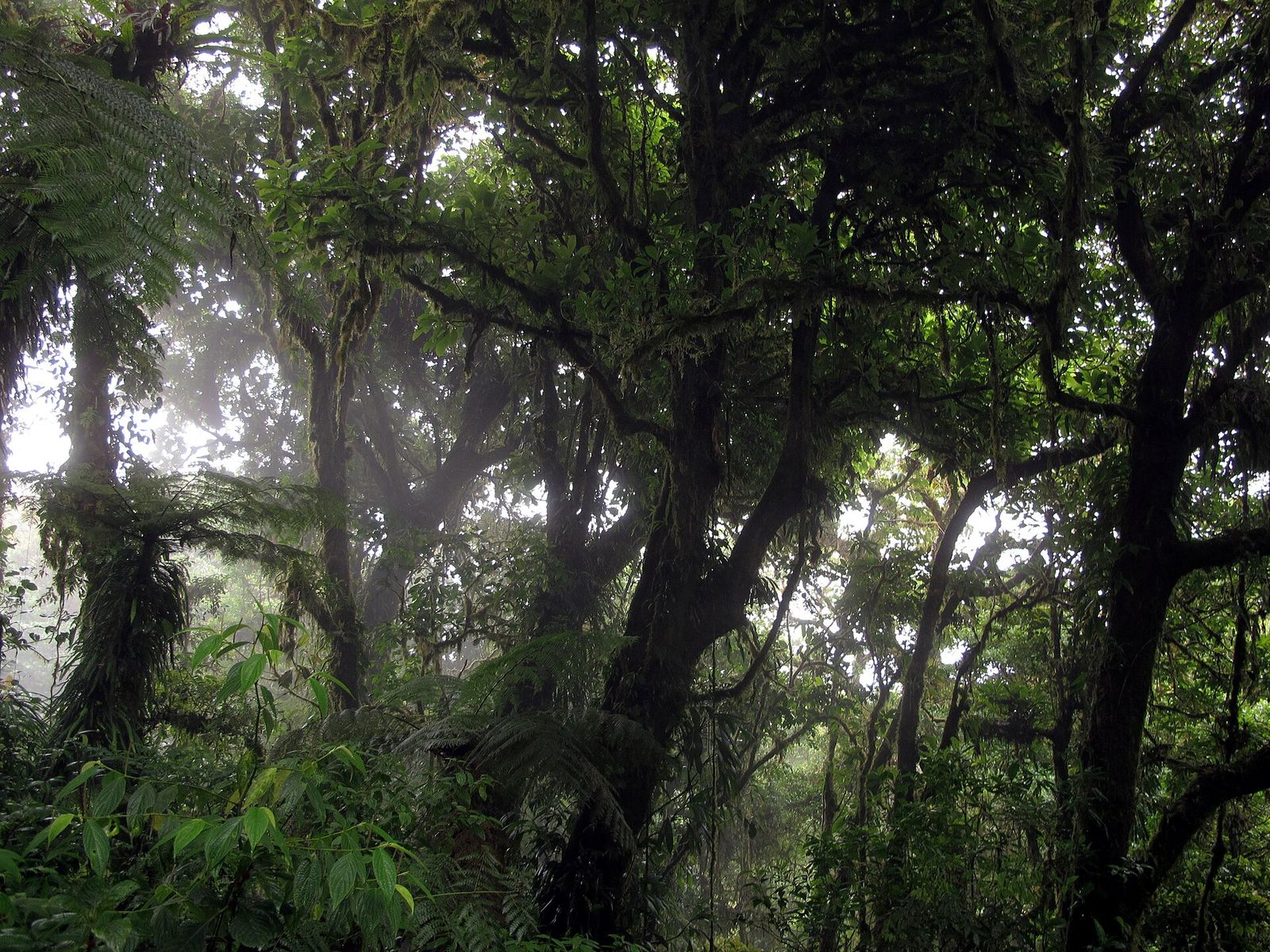
Nature Escapes · 7 min read
Cloud Forest Lodges in Monteverde
Monteverde, Puntarenas Province
A guide to staying near Monteverde's misty forest reserves, with advice on choosing a base, preparing for weather and exploring thoughtfully.
Read More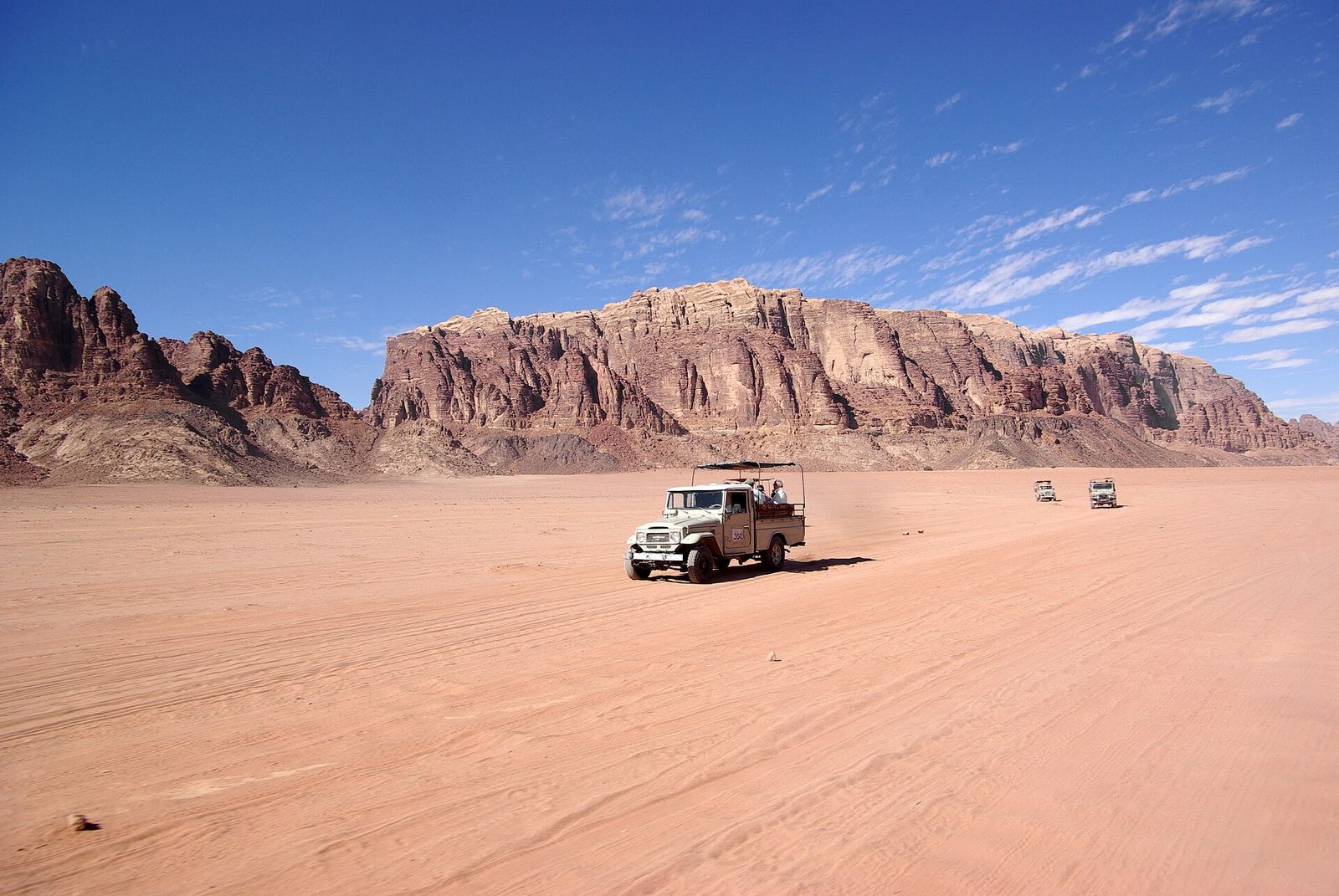
Nature Escapes · 7 min read
Desert Camps and Open Skies in Wadi Rum
Wadi Rum, Aqaba Governorate
A grounded guide to Wadi Rum camps, from protected-area logistics and desert excursions to weather, comfort and respectful travel.
Read More