ICEHOTEL: A Hotel That Melts Back Into the River
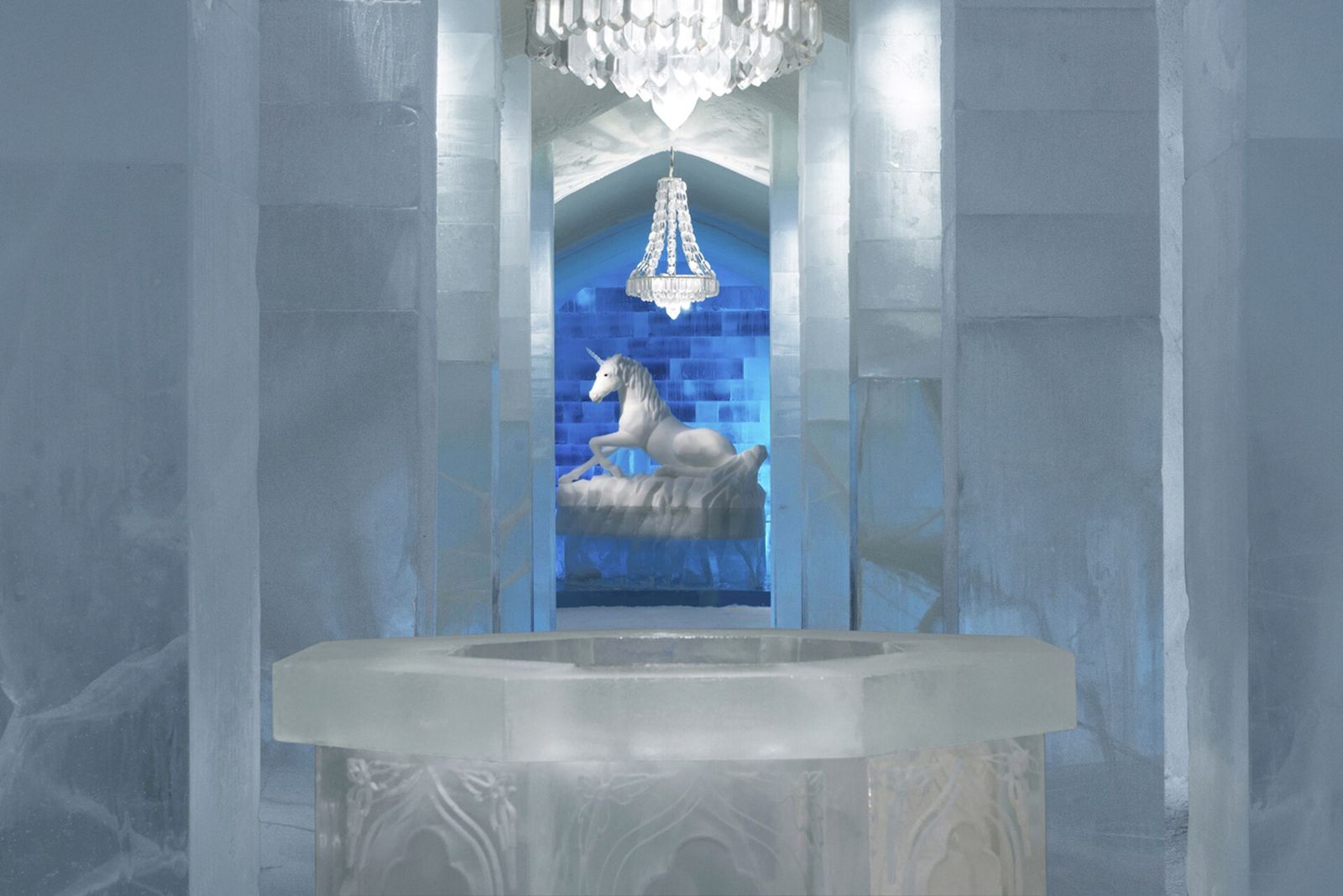
Every spring, most of ICEHOTEL turns back into water and slides quietly into the Torne River. Every winter, it is built again with new rooms, new sculptures and a slightly different personality. Very few places to stay are this honest about being temporary. That is the whole point, and it is why travellers keep making the long trip to Jukkasjärvi, a small village about 200 kilometres north of the Arctic Circle in Swedish Lapland.
From river to room
The raw material comes from right outside. The Torne River flows past the village on its way south to the Gulf of Bothnia, and in late winter, when the ice is thick and clear, blocks are cut from the frozen surface and moved into cold storage. Months later, as the next winter arrives, that ice is combined with a mix of snow and ice known locally as "snice" to raise the walls, vaults and corridors of the seasonal hotel.
It started small. In 1989 an exhibition was held in an igloo-like structure on the river, and a group of visitors asked if they could sleep in it. From that odd request grew the hotel, which has been rebuilt every winter since the early 1990s. The cycle has never really changed: build in November and December, open for the cold months, melt in spring.
Because the building is made new each year, no two seasons look alike. Artists and designers from many countries apply to create individual art suites, and their designs are carved on site. One suite may feel like a calm abstract sculpture. The next might be playful, almost cartoon like, with animals or giant objects cut from ice. If you come back in a different year you are, quite literally, staying in a different hotel.
A gallery you can sleep in
For many guests the art suites are the main reason to go. Walking through the corridors feels more like visiting an exhibition than looking for room 12. Lighting is used carefully, and it changes everything: some walls look glassy and almost transparent, others frosted and milky. Take your time in the public areas, in the morning especially, when it is quieter and you can actually see how each artist has worked with the material.
ICEHOTEL 365
Since 2016 there has also been a permanent building, ICEHOTEL 365, which keeps ice art suites and an ice bar cold all year round. In summer it is cooled using solar energy, which is a neat reversal of the usual story. It means the place is not only a winter destination, and visitors arriving under the midnight sun can still see carved ice up close.
Cold rooms and warm rooms
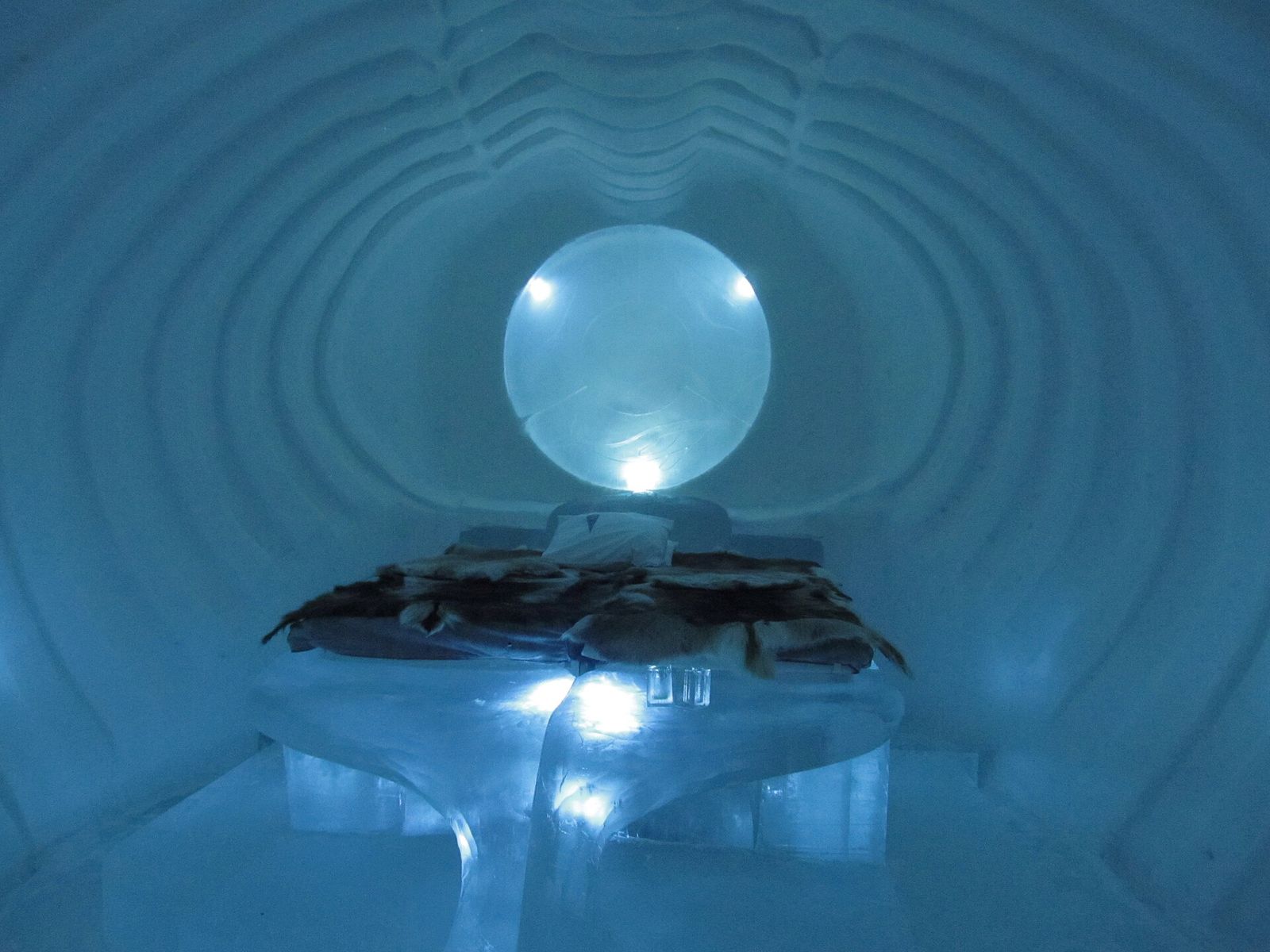
The ice rooms are kept below freezing, usually around minus five degrees Celsius regardless of how cold it is outside. Beds are built from blocks of ice, topped with a mattress and reindeer hides, and guests sleep in thermal sleeping bags provided by the hotel. There are no private bathrooms inside the frozen building, so toilets, showers and saunas are found in a heated service building nearby.
There is also warm accommodation, open throughout the year, ranging from simple hotel rooms to chalets. A lot of travellers combine the two. One night in a cold room is often plenty, then the rest of the stay in a warm room where it is easier to relax, unpack and actually sleep. If you are travelling with someone who isnt sure about the cold, this split usually keeps everyone happy.
How the cold night works
Staff give a briefing before bedtime, and it is worth listening properly. The usual advice is to wear thin base layers, a hat and wool socks inside the sleeping bag, and to leave heavy clothes and luggage in the heated area. Too many layers can make you sweat, which then makes you colder later on. It sounds backwards but it works. In the morning, guests are often woken with a warm drink, and a sauna is the obvious next step.
Life around Jukkasjärvi
Jukkasjärvi itself is tiny, with a long history that goes back far before the hotel. Its wooden church dates from the 17th century and is regarded as one of the oldest surviving buildings in Swedish Lapland, with an altarpiece by the artist Bror Hjorth. It is a short walk from the hotel and a quiet contrast to all the ice.
The surrounding landscape is forest, river and wide sky. Depending on the season and on local operators, visitors may find dog sledding, snowmobile tours, cross-country skiing, ice fishing or snowshoe walks along the frozen river. In summer the same river is used for rafting and boat trips, and the light barely fades at night.
Sápmi and Sámi culture
This part of Sweden is within Sápmi, the homeland of the Sámi people, which stretches across northern Norway, Sweden, Finland and Russia's Kola Peninsula. Reindeer herding remains a living tradition here, and several local experiences introduce visitors to Sámi food, crafts and reindeer husbandry. When choosing one, look for experiences that are run by Sámi families or organisations themselves, rather than generic "Lapland" packages. It makes a difference to who benefits and to how accurately the culture is presented.
The northern lights
Jukkasjärvi sits well inside the zone where the aurora borealis can appear during the dark season, roughly from September to late March. Whether you see it depends on solar activity and on clear skies, so it can never be guaranteed by anyone. Stay several nights if you can, glance at an aurora forecast app, and step outside away from the hotel lights whenever the sky clears. Even a faint green arc over the river is something people remember for years.
Getting there and when to go
The nearest airport is Kiruna, around 15 minutes by road, with regular flights from Stockholm. There is also a night train from Stockholm to Kiruna, which takes most of a day and night but is a lovely way to watch the landscape change from fields to forest to snow. From Kiruna, transfers and taxis cover the short distance to the village.
Kiruna is itself changing. Because of the large iron ore mine beneath it, parts of the town are being moved a few kilometres east, including the town centre and some historic buildings. It is unusual to see, and worth a short stop if you pass through.
The seasonal ice hotel generally opens in December and stays open into spring, often until around April, but exact dates shift with the weather. Late December and early January bring the polar night, when the sun does not rise above the horizon, though there is a soft blue twilight around midday. From February onwards the days lengthen fast, the snow is often brighter and drier, and outdoor activities become more comfortable. In June and early July, the midnight sun takes over.
Practical tips for an ICEHOTEL stay
- Book the cold room for the first or second night of your trip, not the last, so you can recover before travelling on.
- Keep phone and camera batteries in an inside pocket. Cold drains them very quickly, and a spare power bank stored in the warm area helps.
- Bring proper winter boots with room for thick socks. Fashion boots are miserable on packed snow at minus 25.
- Plan to spend some daylight time in the ice building, since many art suites are open for viewing before guests check in for the night.
- Check the official website for opening dates, day visit tickets and current activity options, as they change each season.
- If you want to see the aurora, avoid planning every evening around fixed activities. Leave some nights free.
A hotel that does not last
There is something quietly moving about a building designed to disappear. By the time the snow melts, the suites you walked through will already be gone, and somewhere a designer is sketching next winter's rooms. That impermanence, more than the novelty of sleeping on ice, is what tends to stay with people.
Questions travellers ask
How cold is it inside an ice room at ICEHOTEL?
The seasonal ice rooms are generally kept at around minus five degrees Celsius. Thermal sleeping bags and reindeer hides are provided, and heated bathrooms and saunas are in a separate building.
Can children stay in the ice rooms?
Families do visit, but age guidance and practical advice for children in the cold rooms can change, so check the official website before planning a cold night with young kids.
Is ICEHOTEL worth visiting in summer?
Yes, if you want ice art without the deep cold. ICEHOTEL 365 keeps suites and an ice bar frozen all year, and summer brings the midnight sun and river activities.
Clifton Inn is an independent travel information website and does not take bookings. Details such as opening seasons and access can change, so please confirm current information with the relevant provider.
Related stories
Hidden Retreats · 7 min read
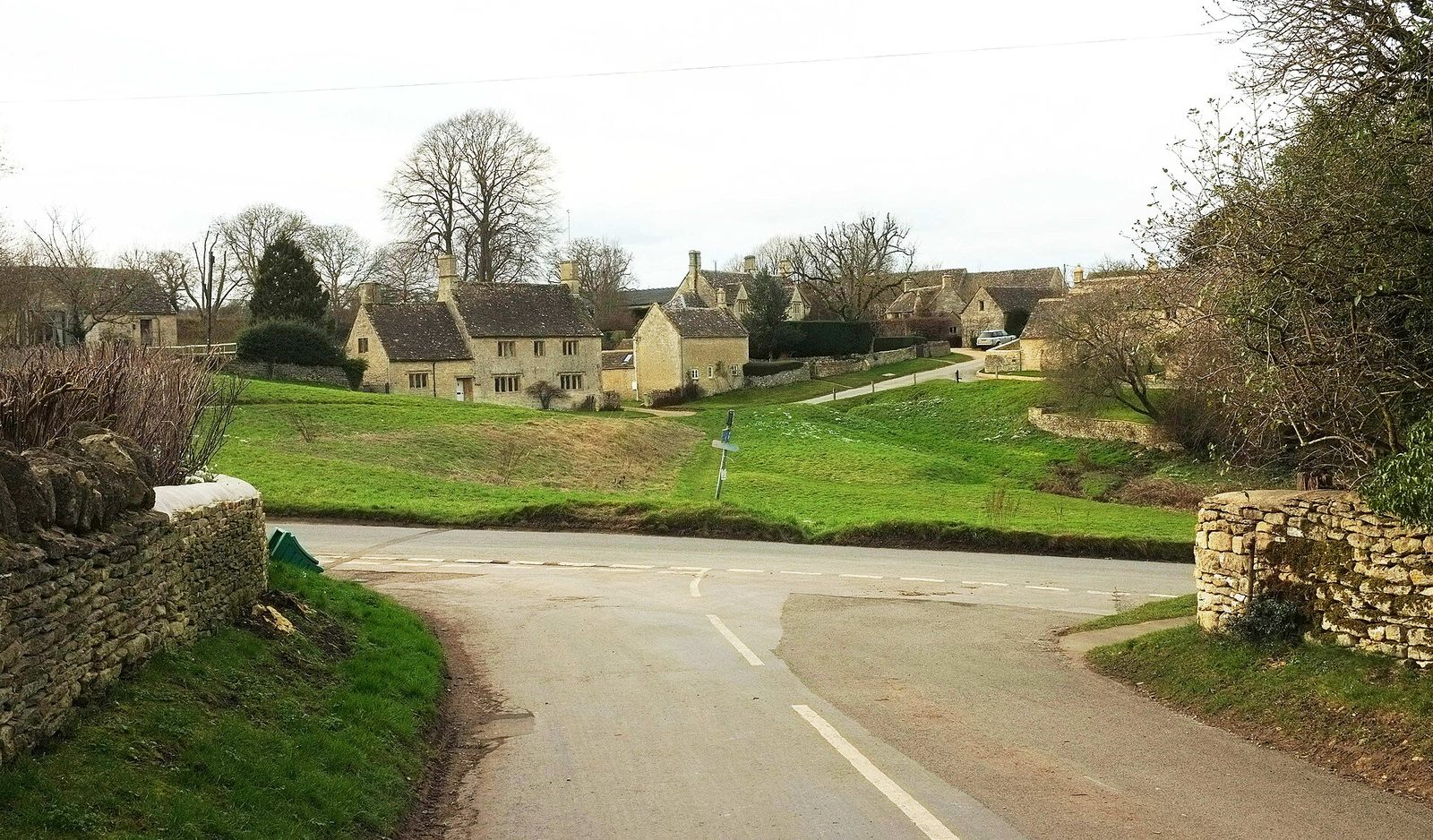
Cottages and Countryside Stays in the Cotswolds
Cotswolds, England
A Cotswolds cottage makes a restful base for village walks, market towns and gentle days in England's rural heartland.
Read More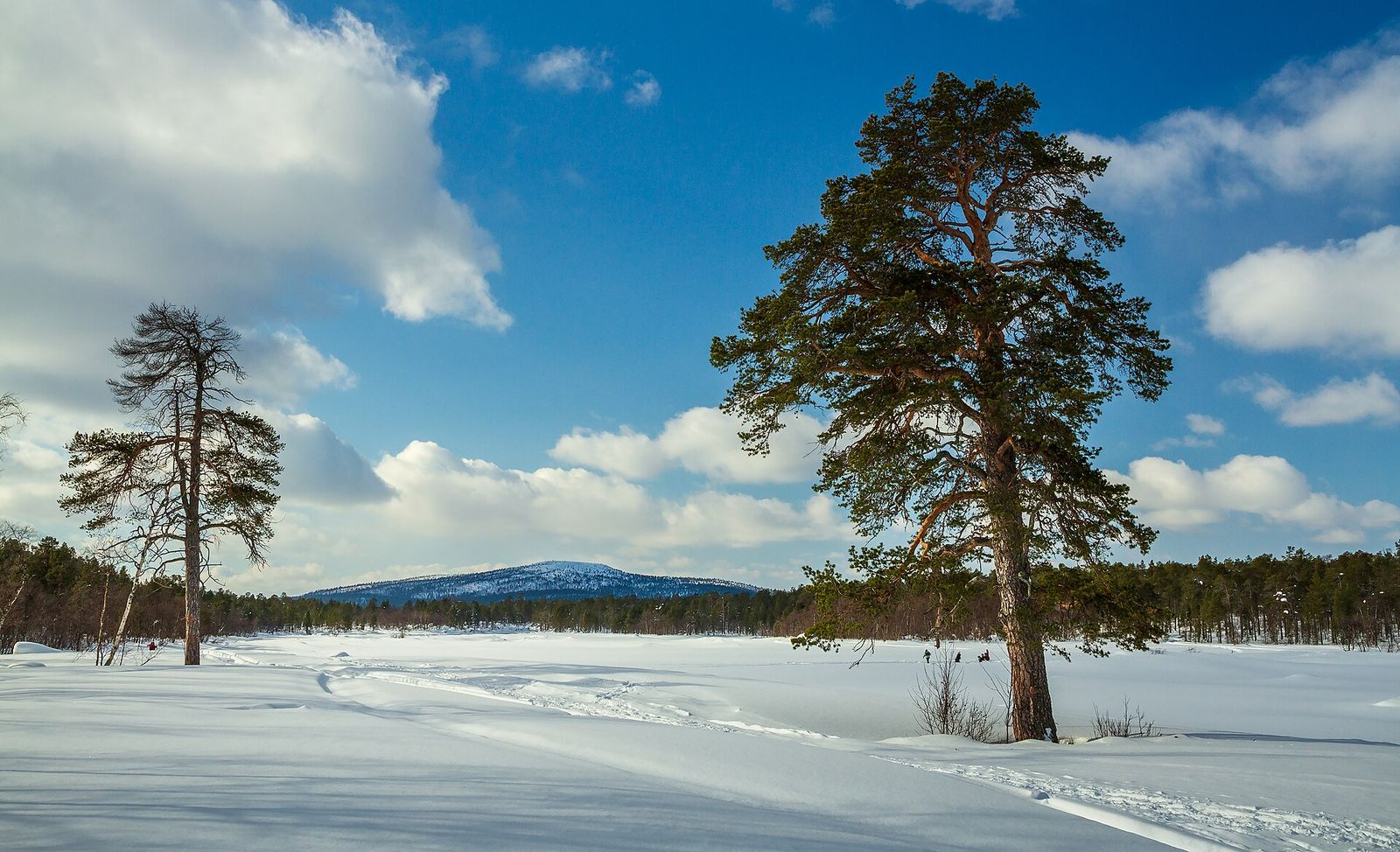
Extraordinary Stays · 7 min read
Glass Igloos and Arctic Skies at Kakslauttanen
Saariselkä, Finnish Lapland
In Finnish Lapland, glass-roofed igloos near Saariselkä bring the winter sky into the room, with forest and fells all around.
Read More
Extraordinary Stays · 7 min read
Göreme's Cave Hotels in the Heart of Cappadocia
Göreme, Cappadocia, Turkey
In Göreme, rooms carved into soft volcanic rock carry on a long tradition of cave dwelling amid Cappadocia's fairy chimneys.
Read More