Desert Camps and Open Skies in Wadi Rum
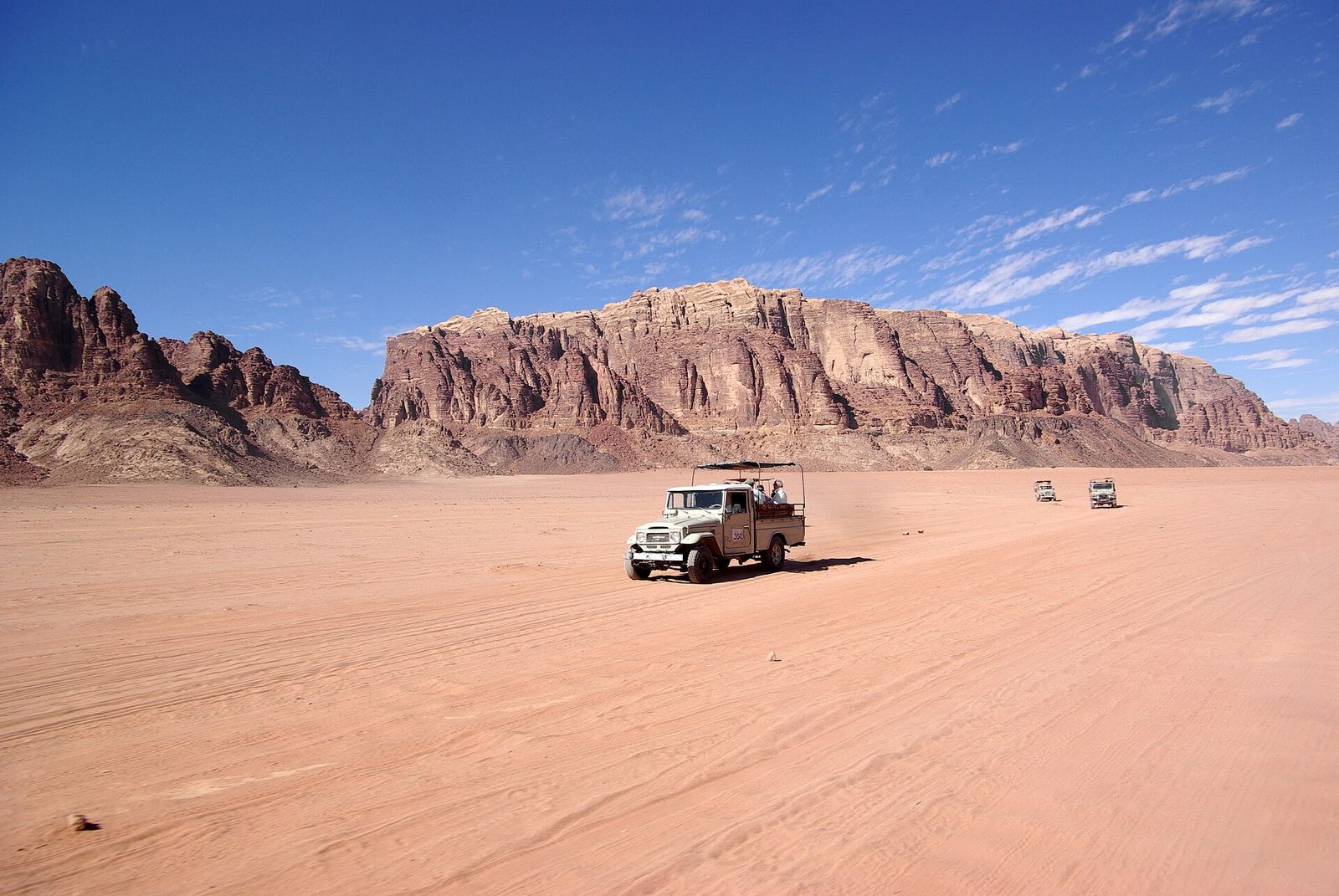
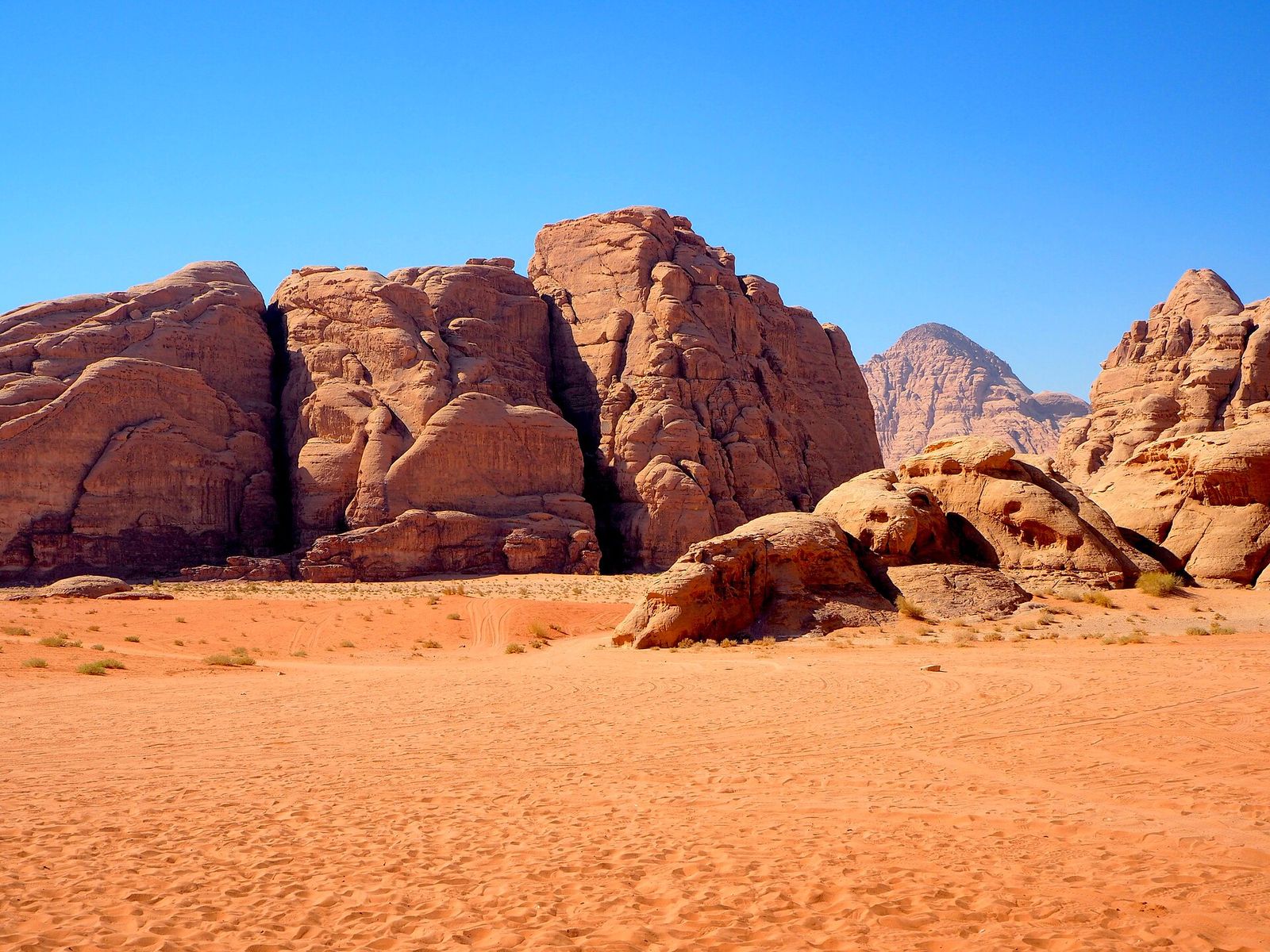
Wadi Rum does not look like anywhere else in Jordan. Huge sandstone and granite mountains rise straight from valleys of red and orange sand, their sides streaked and sculpted by wind and time. The light changes everything: pale and harsh at midday, deep red at sunset, silver under a full moon. Most visitors experience this protected area by staying in a desert camp, reached with local Bedouin drivers, often as part of a journey that also includes Petra and Aqaba. Done well, one night here can be the most memorable part of a trip.
A protected desert
Wadi Rum Protected Area covers a large region of desert in southern Jordan, close to the border with Saudi Arabia. In 2011 it was inscribed on the UNESCO World Heritage List as a mixed site, recognised for both its natural landscape and its cultural heritage. The area contains thousands of rock inscriptions and petroglyphs, some dating back thousands of years, left by people who passed through or lived here, including Nabataeans and earlier Arabian communities.
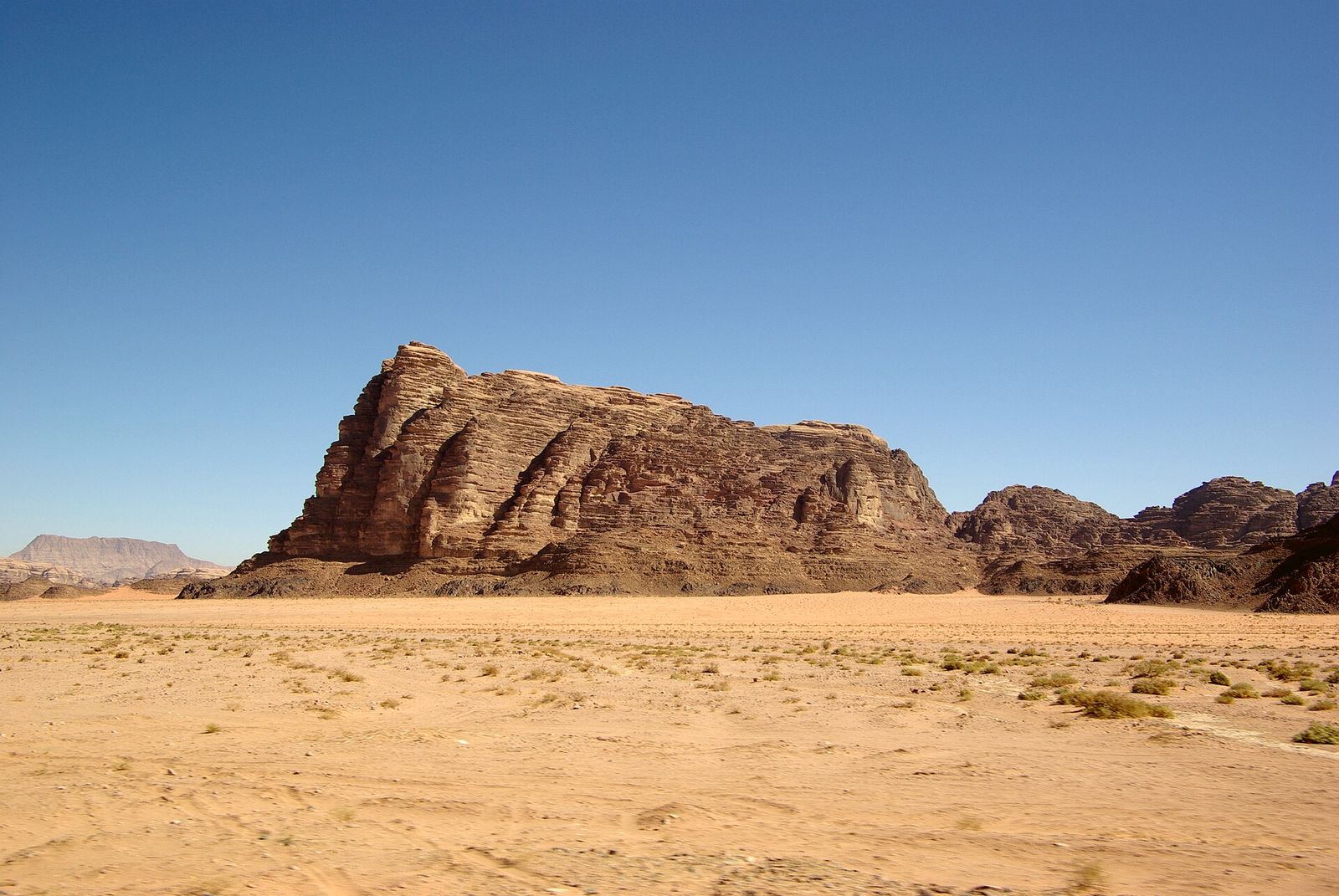
The highest point in Jordan, Jebel Umm ad Dami, rises in the south of the area near the Saudi border. Closer to the visitor centre, mountains like Jebel Rum and the rock formation known as the Seven Pillars of Wisdom greet visitors on arrival.
Lawrence and the movies
The Seven Pillars formation takes its name from the book by T. E. Lawrence, the British officer who was involved in the Arab Revolt during the First World War and spent time in this region. The 1962 film "Lawrence of Arabia" was partly filmed in Wadi Rum, and the landscape has since appeared in many productions, including "The Martian" and "Dune", where it stood in for other worlds. It is easy to see why.
Choose a camp with clear logistics
Camps in Wadi Rum range from simple Bedouin style tents with shared bathrooms to comfortable camps with private facilities and transparent "bubble" tents or domes, designed for stargazing. Most are run by local families or businesses from the Bedouin communities of the area, particularly from Rum Village.
Before choosing, understand how you will get there. Many camps arrange a meeting point at the visitor centre or in Rum Village, from where they collect guests in four wheel drive vehicles. Some camps are close enough to be reached on graded tracks, while others are deeper in the desert. Ask about transfer times, whether a jeep tour is included, and what happens with luggage. If you drive yourself, you will usually leave your car at the visitor centre or in the village, since driving into the desert without local knowledge is not allowed in most of the protected area and is not a good idea anyway.
Entry fees and the Jordan Pass
Visitors pay an entry fee to the protected area. The Jordan Pass, which many travelers buy before arriving in the country, generally includes entry to Wadi Rum along with Petra and other sites. Check the current terms on official sources before your trip.
Camp comfort in a remote landscape
Desert camps are remote, and facilities vary. Water and power are limited in many places, and some camps rely on solar energy. Showers may be basic. Food is typically simple and generous, often including zarb, a traditional Bedouin dish of meat and vegetables slow cooked in a pit under the sand. Tea, sweet and fragrant with sage or cardamom, is offered constantly as a sign of hospitality.
Alcohol is not served in many camps, and some do not allow it at all, reflecting local customs. Ask in advance if this matters to you.
Desert hospitality
Bedouin culture places great importance on hospitality. You may be invited to sit and drink tea with your hosts or drivers, and conversations can stretch long into the evening. Dress modestly, especially away from camp, and ask permission before taking photographs of people.
Exploring Wadi Rum
Most visitors explore the desert on a jeep tour with a Bedouin guide. Common stops include Lawrence's Spring, the Khazali Canyon with its ancient inscriptions, red sand dunes, the small and large rock bridges, including the arch of Burdah for those who climb, and viewpoints for sunset. Tours range from a couple of hours to a full day.
Other ways to see the desert
Camel rides are possible, usually for shorter routes, and offer a slower and more traditional view of the landscape. Hiking is rewarding, though the heat and terrain mean it is best done with a local guide. Wadi Rum is also known among climbers for its long sandstone routes. Hot air balloon flights have operated at times, weather permitting.
Heat, cold and the night sky
Wadi Rum's climate is extreme. Summer days are very hot, while nights can be warm or surprisingly cool. In winter, days are mild and pleasant, but nights can drop close to freezing, and some camps have limited heating. Spring, from March to May, and autumn, from September to November, are often the most comfortable seasons, with warm days and cooler nights.
The night sky is a highlight in any season. With little light pollution, stars and the Milky Way can be spectacular on clear, moonless nights. A full moon, on the other hand, lights up the desert in a soft silver glow, which is beautiful in a different way. If stargazing is important, check the moon phase when planning your dates.
Choosing between camp styles
Simple tented camps offer a closer, more traditional experience, often with a central fire, shared meals and rugs on the sand. They can be noisy if groups stay up late, and walls are thin. Bubble tents and domes offer more privacy and views of the stars from bed, but they can be warm in the afternoon sun and cold at night, depending on design. Some camps are close together near the main tracks, while others are more isolated in side valleys. If silence matters to you, ask how far the camp is from its nearest neighbours.
Respecting the communities
Wadi Rum is home to Bedouin families whose way of life has changed a lot in recent decades but who maintain strong traditions. Tourism is now one of the main sources of income. Choosing camps and guides run by local families, paying fair prices and following local customs helps keep that income in the community. Its a small way to give something back to the people who's knowledge makes a visit possible.
Getting there
Wadi Rum is about an hour by road from Aqaba, on the Red Sea, and around one and a half to two hours from Petra. From Amman, the drive takes roughly four hours on the Desert Highway. Buses run at times between these places, but schedules can be limited, so many visitors use taxis, private transfers or rental cars. King Hussein International Airport in Aqaba is the nearest airport.
Practical tips for a desert overnight
- Confirm the meeting point and time with your camp, and keep their phone number handy as signal can drop.
- Pack layers. A warm jacket for the night is essential in winter and useful in spring and autumn.
- Bring a scarf or head covering for sun and wind, and sunglasses for the bright light.
- Carry a small torch or headlamp for walking around the camp after dark.
- Leave most luggage in your car or hotel if you can, and bring a small overnight bag.
- Respect the desert. Take rubbish with you, dont carve or write on rocks and stay away from inscriptions to protect them.
Questions travellers ask
Do I need a guide to explore Wadi Rum?
Yes, in practice. Most of the protected area is explored with local Bedouin guides and drivers, and independent driving into the desert is restricted.
Is the Jordan Pass valid for Wadi Rum?
The Jordan Pass has generally included entry to Wadi Rum. Check the current conditions on the official Jordan Pass website.
How cold does Wadi Rum get at night?
In winter, nights can drop close to freezing. Bring warm clothing, especially from December to February.
Clifton Inn is an independent travel information website and does not take bookings. Details such as opening seasons and access can change, so please confirm current information with the relevant provider.
Related stories
Extraordinary Stays · 7 min read
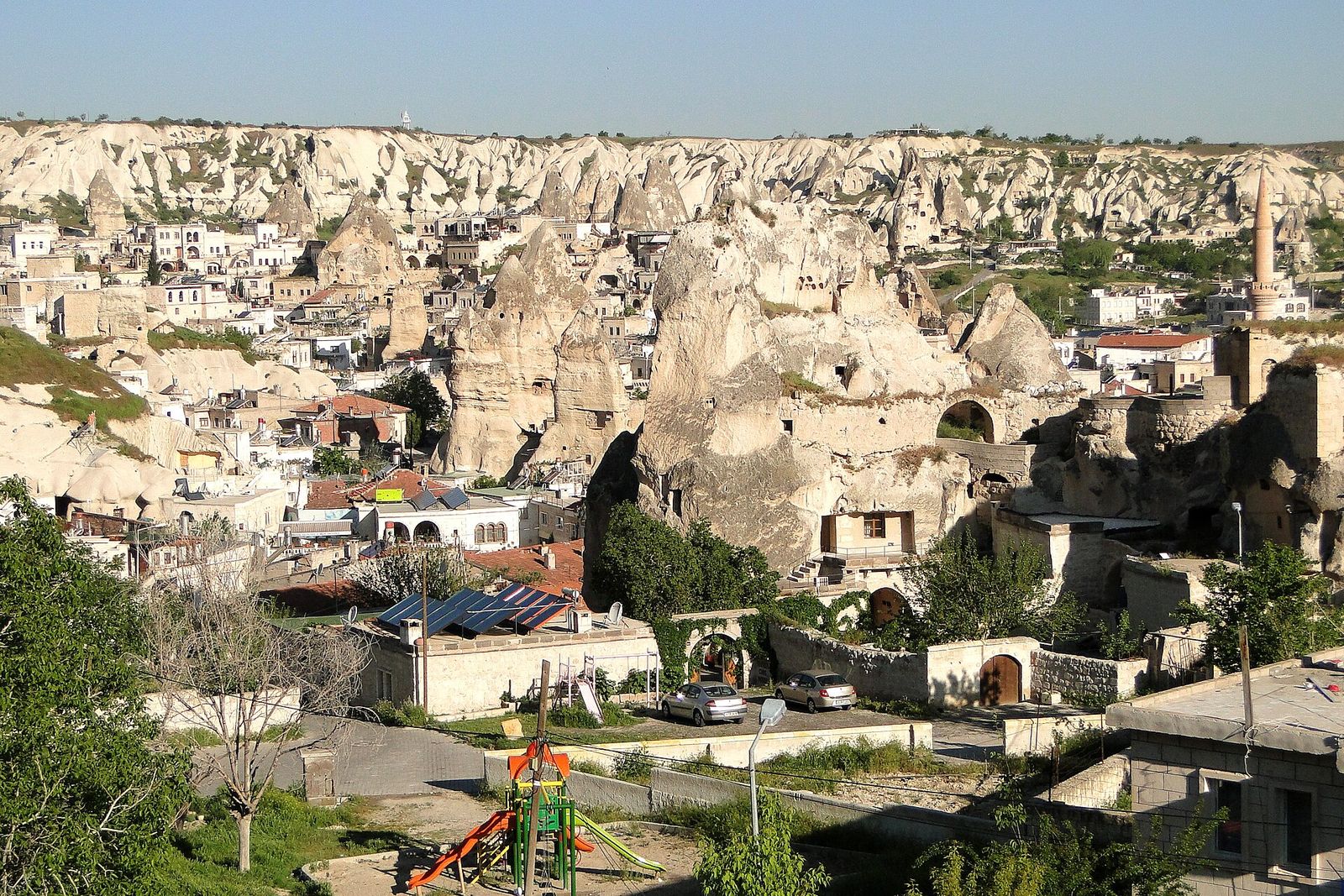
Göreme's Cave Hotels in the Heart of Cappadocia
Göreme, Cappadocia, Turkey
In Göreme, rooms carved into soft volcanic rock carry on a long tradition of cave dwelling amid Cappadocia's fairy chimneys.
Read More
Nature Escapes · 7 min read
Zermatt Chalets in the Shadow of the Matterhorn
Zermatt, Valais
A practical guide to choosing a chalet in car-free Zermatt, balancing village life, mountain access and the ever-present Matterhorn.
Read More
Nature Escapes · 7 min read
Safari Lodges on the Edge of Kruger
Mpumalanga and Limpopo, South Africa
How to understand private-reserve and national-park stays around Sabi Sand, from game drives to practical arrival planning.
Read More