Göreme's Cave Hotels in the Heart of Cappadocia
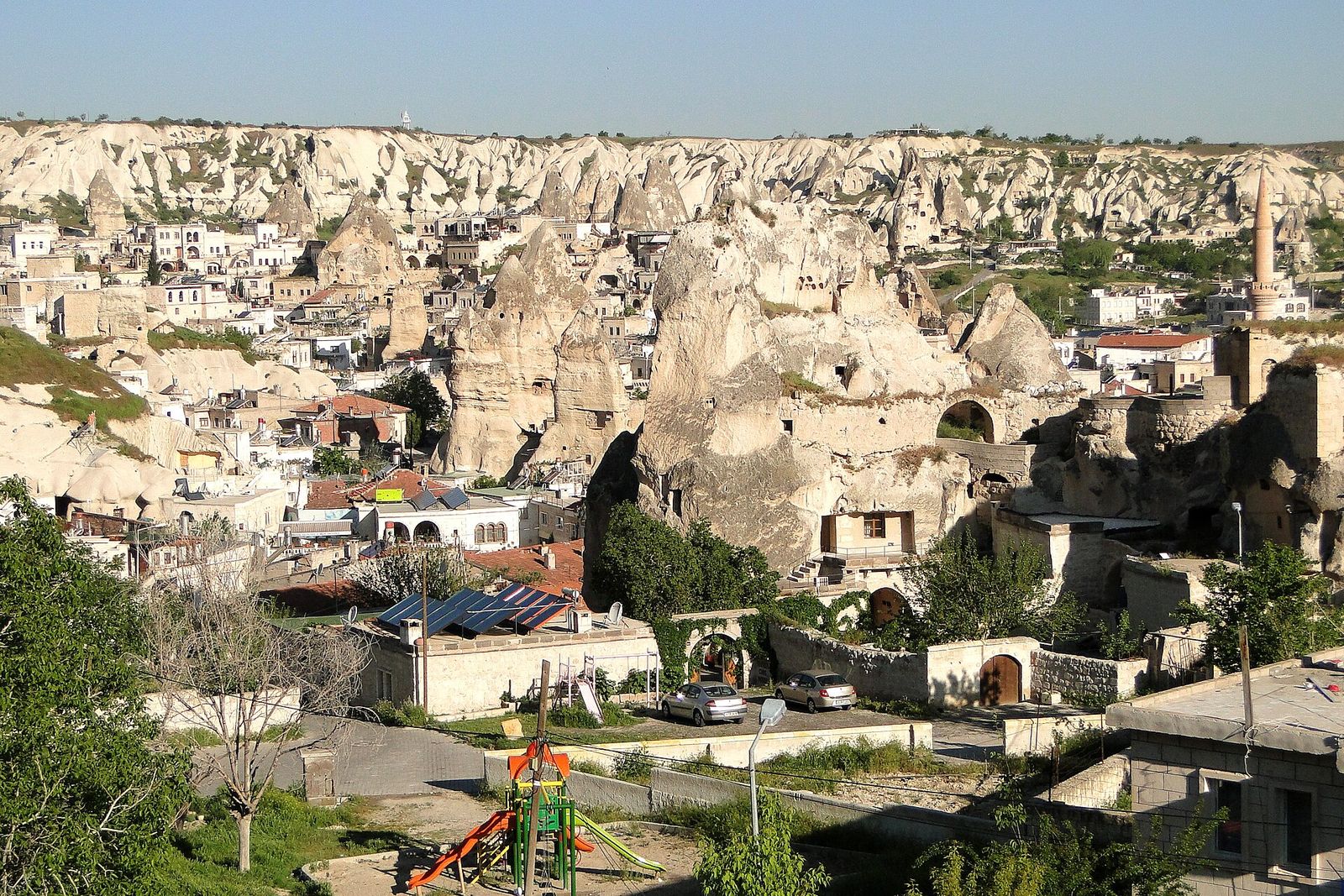
In Göreme, the hotel room is often part of the hill. Doors open into soft volcanic rock, ceilings curve where someone once carved them by hand, and the view from the terrace takes in a valley full of rock cones, pigeon houses and, on calm mornings, dozens of hot air balloons. Staying in one of the town's cave hotels is one of the simplest ways to understand Cappadocia, a landscape shaped by volcanoes, wind and many centuries of people living inside the stone.
A landscape made of ash
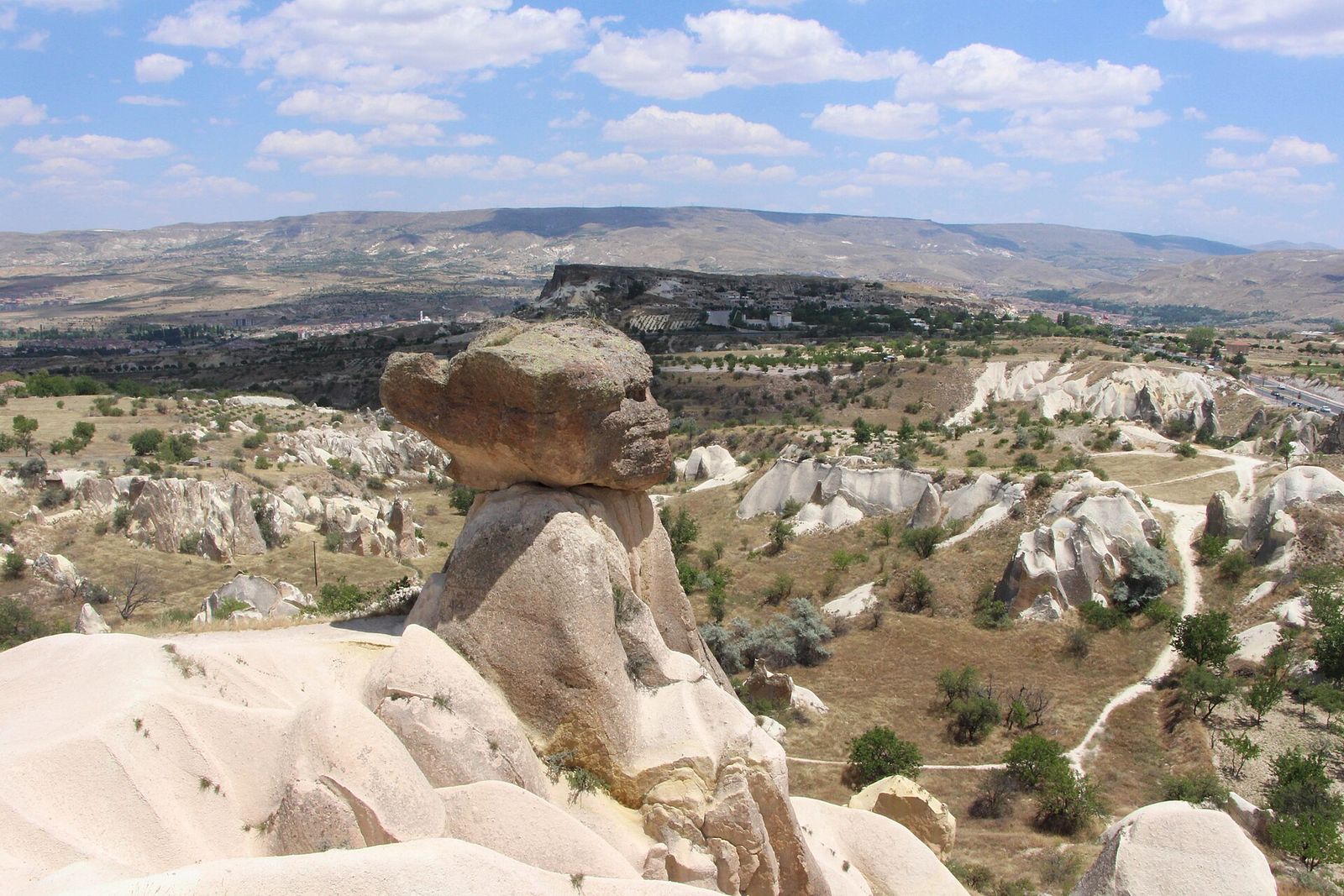
Millions of years ago, volcanoes in central Anatolia, including Erciyes, Hasan and Göllüdağ, covered the region with thick layers of ash. Over time the ash hardened into tuff, a rock that is soft enough to carve with simple tools yet firm enough to hold its shape for centuries. Rain, wind and frost then wore it down unevenly. Harder caps of basalt protected the softer rock beneath, which is how the famous "fairy chimneys" formed, tall cones and pillars that sometimes wear a darker stone hat.
People realised early that this rock was useful. They cut homes, storerooms, stables, dovecotes and churches into it, and they kept doing so for a very long time. In 1985, the Göreme National Park and the Rock Sites of Cappadocia were inscribed on the UNESCO World Heritage List, recognising both the landscape and the human history carved into it.
Why caves make good rooms
Tuff is a natural insulator. Rooms cut into the rock stay fairly cool in the hot Anatolian summer and hold warmth better in winter, when snow can cover the valleys. Many of today's cave hotels occupy old dwellings that have been restored, extended and fitted with modern bathrooms and heating. Others are newer rooms carved in the traditional way. Either way, you can expect thick walls, arched ceilings, niches in the stone and a pleasant hush once the door is closed.
What to expect from a cave hotel
Cave hotels in Göreme range from small family run guesthouses with a handful of rooms to larger, more polished boutique properties. Many are built on the slopes above the town centre, which gives them their views but also means steps, uneven paths and sometimes steep lanes. If mobility is a concern, ask specifically about access to rooms and terraces before choosing.
Not every room is a true cave. Some properties mix carved rooms with stone built ones, which are often brighter. Cave rooms can be a little darker and occasionally feel slightly damp in wet weather, simply because of the rock. That is part of their charm, though it is worth knowing in advance rather than being surprised.
The rooftop terrace ritual
Terraces matter a lot here. Early in the morning, guests drift up with a coffee or a blanket to watch the balloons rise over the valleys, and in the evening the same terraces catch the sunset turning the rock pink and gold. If you have a choice between two similar places, a good terrace is often the better tie breaker than a larger room.
Balloons over the valleys
Cappadocia is one of the best known places in the world for hot air balloon flights, and on suitable mornings a large number of balloons launch around sunrise. Flights are regulated by the Turkish civil aviation authorities, and they only go ahead when weather conditions are safe. Wind, rain or low cloud can cancel flights, sometimes several days in a row, especially in winter.
You do not have to fly to enjoy it. Watching from a terrace or a viewpoint above town is a spectacle in its own right, and it costs nothing more than an early alarm. If you do want to fly, choose a licensed operator, read their safety and cancellation terms carefully, and keep at least one spare morning in your plans.
Exploring Göreme and around
The Göreme Open Air Museum, just outside town, is a cluster of rock cut monastic buildings and churches, several of them decorated with Byzantine frescoes. The Dark Church, which has its own entrance ticket, is known for unusually well preserved paintings because little light reached them for centuries. It gets busy by mid morning, so arriving at opening time is wise.
Beyond the museum, the real pleasure is walking. Valleys such as Rose Valley, Red Valley, Pigeon Valley and Love Valley are crossed by footpaths, some well marked and others less so. Pigeon Valley leads towards Uçhisar, whose rock castle is the highest point in the area and gives a wide view in every direction.
Under the ground
Cappadocia also hides entire underground cities, cut many levels deep into the rock. Derinkuyu and Kaymaklı are the best known and can be visited, with narrow passages, ventilation shafts, stables and chapels. They are a short drive from Göreme. If you are claustrophobic, be honest with yourself before going down, some tunnels are very low and tight.
Pottery and the river
The town of Avanos, on the Kızılırmak, Turkey's longest river, has a long tradition of pottery made from the river's red clay. Workshops welcome visitors to watch potters at the wheel. It makes a calm afternoon after a morning of valleys and churches.
When to go
Spring, roughly April to early June, and autumn, from September to early November, are generally the most comfortable seasons for walking. Days are mild, the light is soft and the valleys are green in spring or golden in autumn. Summer is hot and dry and the town is busy. Winter is colder than many people expect, with frequent frost and occasional snow. Snow on the fairy chimneys is beautiful, but balloon cancellations are more common and some paths become muddy.
Getting there
Two airports serve the region: Nevşehir Kapadokya Airport and Kayseri Erkilet Airport. Both have flights from Istanbul, and shuttle buses and transfers connect them with Göreme in roughly an hour or a bit more. Long distance buses also reach the area from many Turkish cities, often overnight. Within Göreme, most places are walkable, while valleys and underground cities further away are easiest with a tour, a taxi or a rental car.
Practical tips for staying in a Göreme cave hotel
- Ask whether your room is fully carved into the rock or built from stone. Both are lovely, but they feel different.
- Check how many steps lead to the room and the terrace, and whether luggage help is available.
- Set aside two or three mornings if a balloon flight is important to you, as weather cancellations are common.
- Carry water, sun protection and proper shoes for the valleys. Some paths are sandy and slippery, and shade is limited.
- Visit the Open Air Museum early, and buy the separate ticket for the Dark Church if frescoes interest you.
- Respect the fragile rock. Do not climb on fairy chimneys, carve initials or enter closed areas.
A night inside the rock
Waking up in Göreme feels a little unreal. The walls are cool and quiet, the light outside is soft, and somewhere over the valley the first balloons are rising. It is a very old way of living in this landscape, adapted gently for travellers, and its the kind of stay that makes the place itself the main attraction.
Questions travellers ask
Are cave hotel rooms in Göreme cold in winter?
Tuff insulates quite well, and most cave hotels have heating, so rooms are generally comfortable. Check heating details with the property if you travel between December and February.
Can I see the balloons without taking a flight?
Yes. On suitable mornings balloons launch around sunrise, and they are clearly visible from hotel terraces and viewpoints above Göreme.
How many days do I need in Göreme?
Three nights is a good minimum. It allows time for valleys, the Open Air Museum, an underground city and a spare morning in case balloon flights are cancelled.
Clifton Inn is an independent travel information website and does not take bookings. Details such as opening seasons and access can change, so please confirm current information with the relevant provider.
Related stories
Hidden Retreats · 7 min read
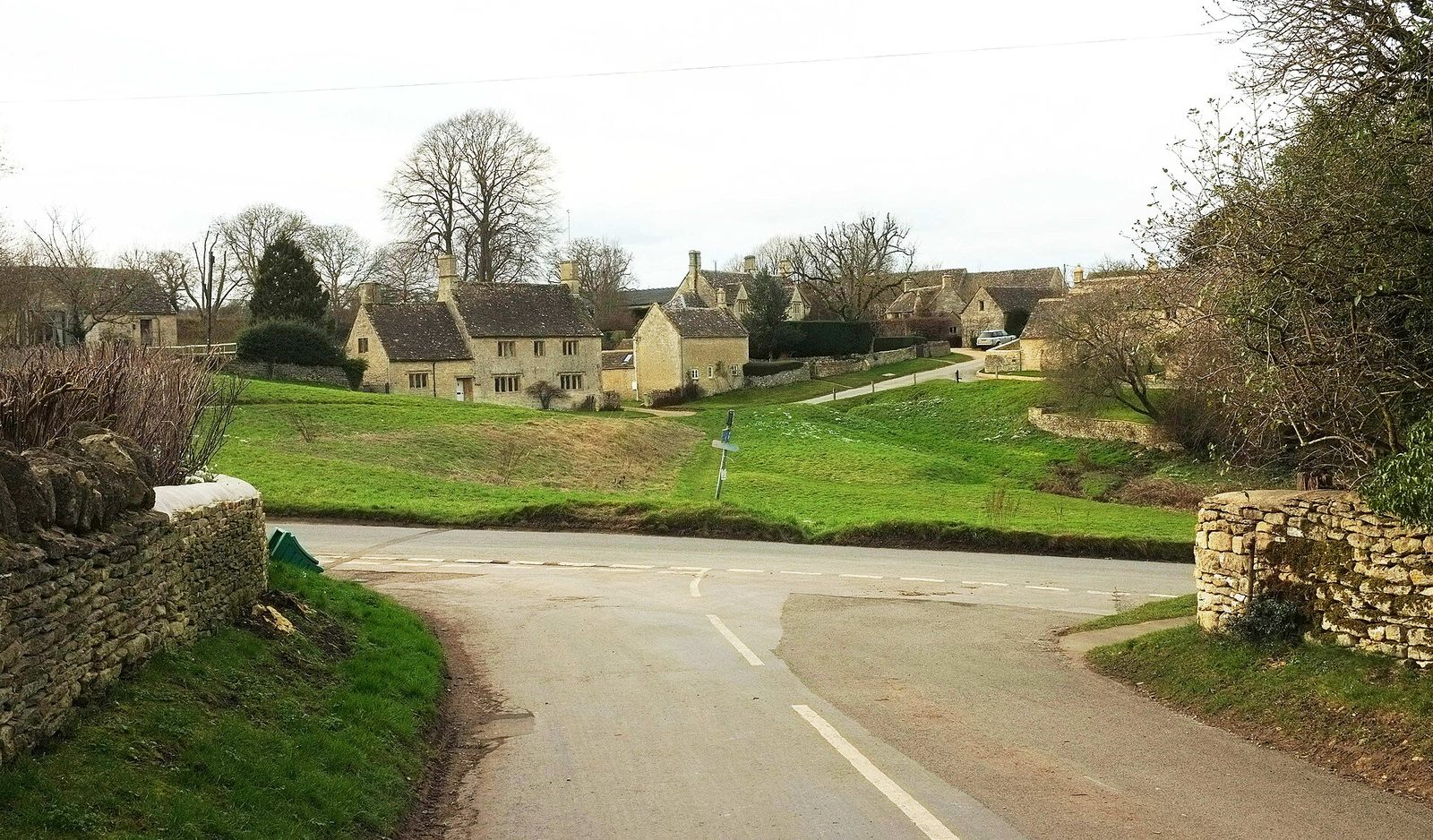
Cottages and Countryside Stays in the Cotswolds
Cotswolds, England
A Cotswolds cottage makes a restful base for village walks, market towns and gentle days in England's rural heartland.
Read More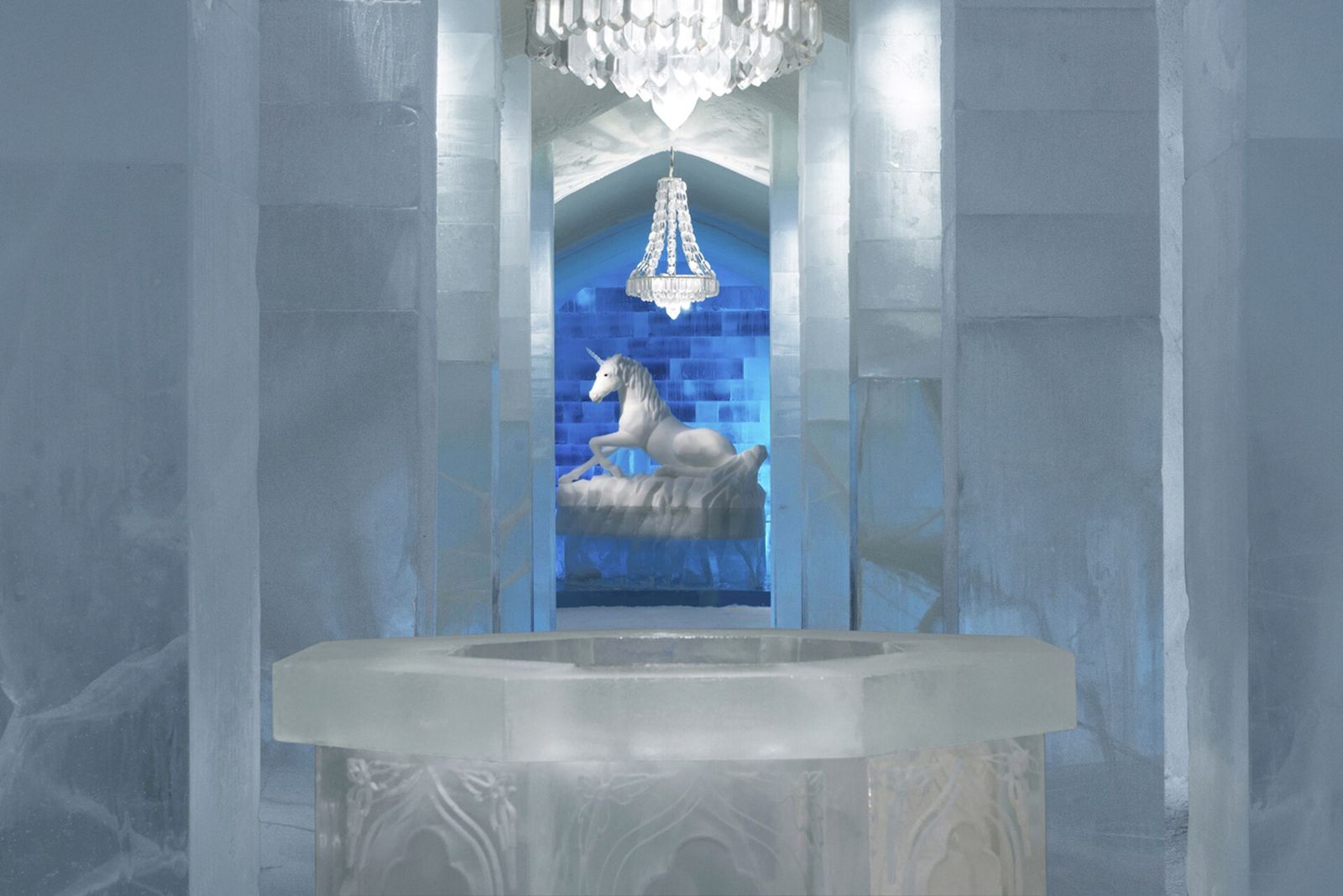
Extraordinary Stays · 7 min read
ICEHOTEL: A Hotel That Melts Back Into the River
Jukkasjärvi, Sweden
Rebuilt from Torne River ice every winter, ICEHOTEL in Swedish Lapland is part art gallery, part hotel and entirely seasonal.
Read More
Extraordinary Stays · 7 min read
Glass Igloos and Arctic Skies at Kakslauttanen
Saariselkä, Finnish Lapland
In Finnish Lapland, glass-roofed igloos near Saariselkä bring the winter sky into the room, with forest and fells all around.
Read More