Lodges and Refugios in Torres del Paine
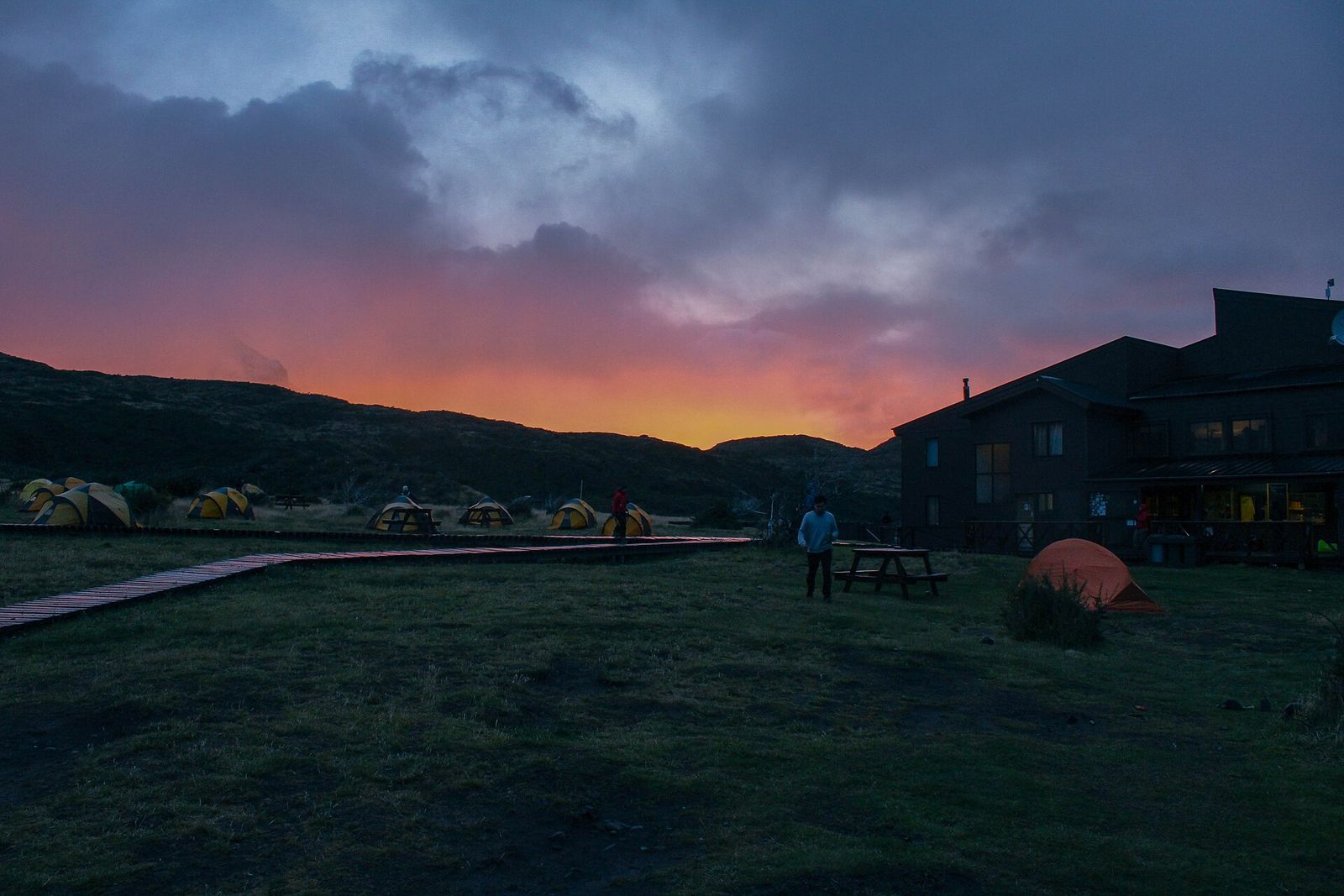
Torres del Paine is one of those places that photographs never quite capture. In Chilean Patagonia, granite towers and horns rise above turquoise lakes, glaciers spill from the Southern Patagonian Ice Field, and wind sweeps across wide plains of golden steppe. Guanacos graze by the roads, condors circle overhead and, if you are very lucky, a puma might cross your path. Accommodation is spread thinly across this vast park, from comfortable lodges with day excursions to simple refugios along trekking routes, and planning where to sleep is the key to enjoying it.
A park at the end of the continent
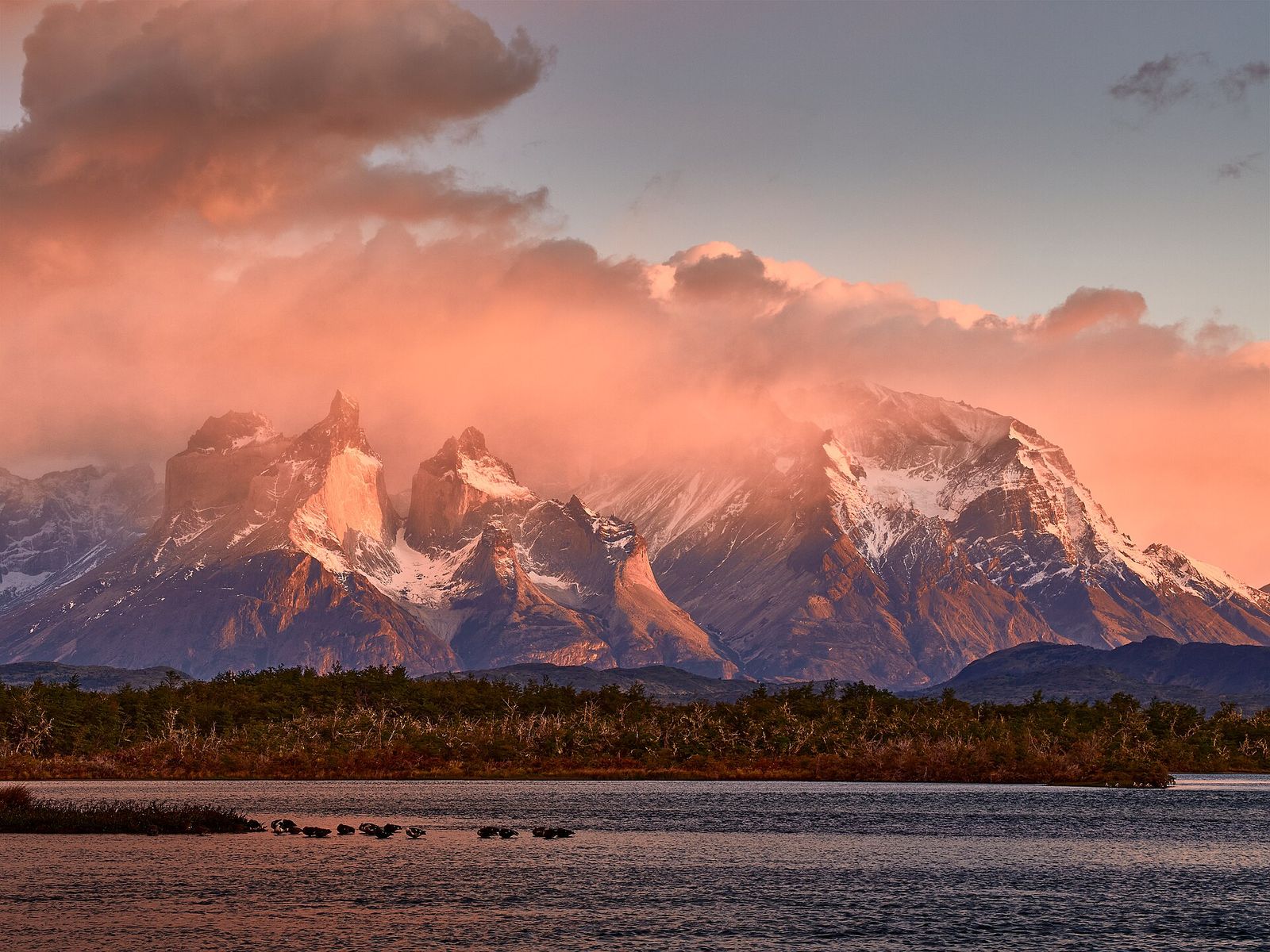
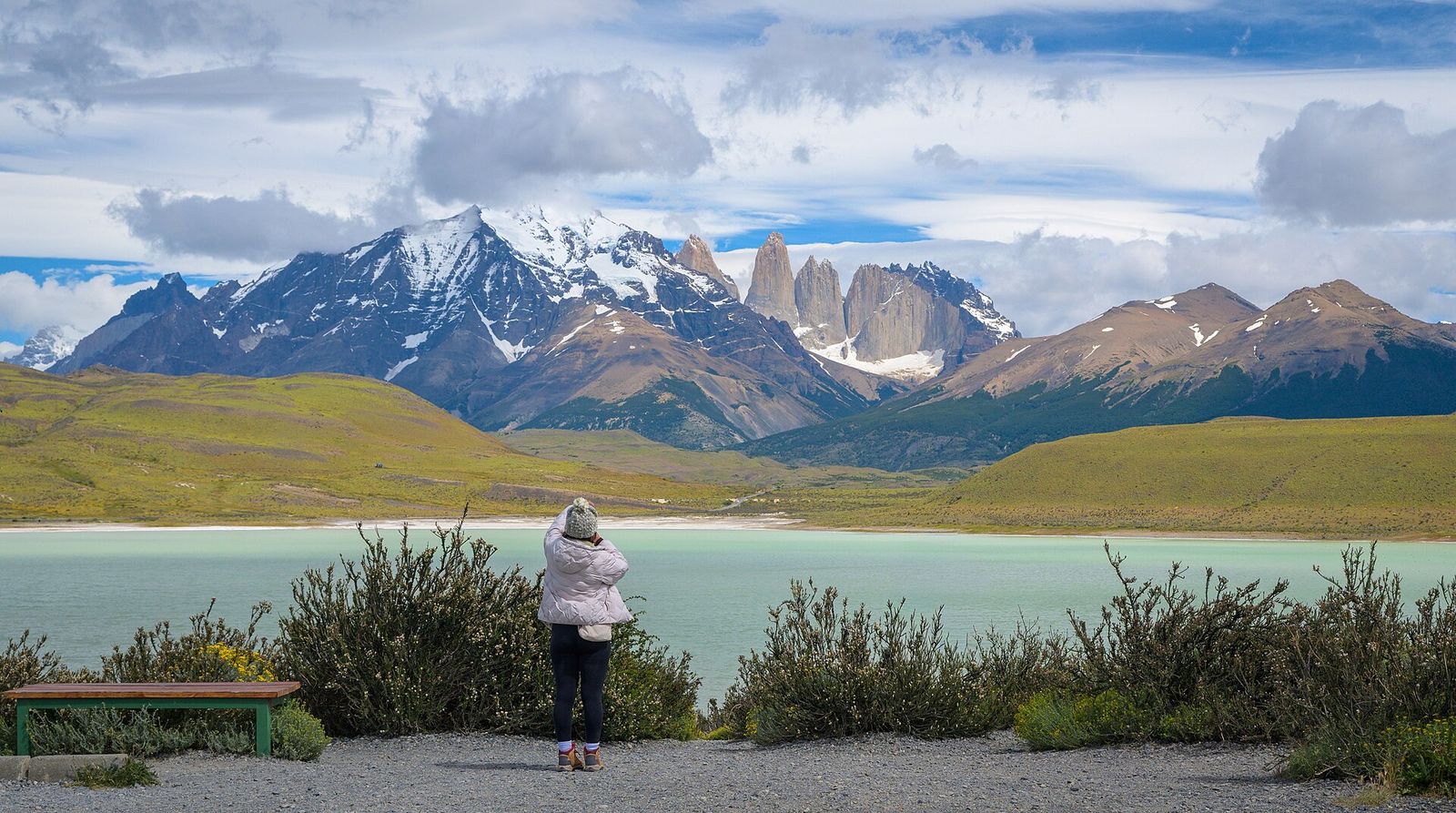
Torres del Paine National Park was created in 1959 and later expanded. In 1978 it was declared a UNESCO Biosphere Reserve. The park is administered by CONAF, Chile's national forestry corporation, and lies in the Magallanes region, about two hours by road from the town of Puerto Natales. Its centrepiece is the Paine massif, a cluster of mountains that includes the famous Torres, three granite towers, and the Cuernos, horns of pale granite topped with darker sedimentary rock.
Around the massif, lakes like Pehoé, Nordenskjöld and Grey change color with the light and sediment. Glacier Grey, flowing from the Southern Patagonian Ice Field, ends in a wall of ice on Lago Grey, scattering icebergs across the water.
Lodge or refugio?
The first decision is the kind of trip you want. Lodges and hotels in and around the park offer private rooms, meals and organised excursions. Many offer guided hikes, horseback rides and boat trips, returning to the same base each evening. This suits travelers who want comfort, flexibility and a more relaxed pace, as well as those who prefer not to carry a heavy pack.
Refugios are mountain huts along the main trekking routes. They provide dormitory beds or simple rooms, meals and, at many sites, camping areas with rented tents. Refugios let trekkers hike the routes in stages, carrying lighter loads than if they were camping with all their own gear. They are basic, sociable and often full in high season.
The W and the O
The most popular trek is the W Trek, which follows a route shaped like the letter W along the southern side of the massif, visiting the base of the Torres, the Valle del Francés and Glacier Grey. It usually takes around four to five days. The longer O Circuit loops around the entire massif, including the more remote northern side, and takes about a week or more. Both routes are busy in high season, and each has its own set of refugios and campsites.
Reserve the route, not only the room
In Torres del Paine, you cannot simply turn up and find a bed. Overnight stays at refugios and campsites along the trekking routes require advance reservations, and rangers may check them at control points. The refugios and campsites are operated by different companies, so trekkers often need to book with more than one operator to complete a route. Check the current rules on the official CONAF website and with the operators, and carry your booking confirmations.
Park entry tickets are also usually bought online in advance, through the official system. Rules and procedures have changed over the years, so look them up close to your travel date rather than relying on older advice.
Patagonia's changing conditions
Patagonian weather is famous, and not for being gentle. Wind is the defining feature, with strong gusts that can knock hikers off balance, especially in exposed areas and around passes. Weather can change from sunshine to rain or snow within hours, at any time of year. Temperatures in summer are often mild, but can feel cold in the wind.
The main season runs from roughly October to April, with December to February the busiest and longest days. Shoulder months, October, November, March and April, can be quieter, with autumn colors in March and April. In winter, from about May to September, conditions are colder and many services close or reduce operations, and access to some routes is restricted. Check what is open before planning a winter trip.
Fire and the fragile landscape
Torres del Paine has suffered serious wildfires, including large fires in 2005 and 2011 to 2012, both linked to visitors. The steppe and forests recover very slowly. Because of this, the park has strict rules about fire. Campfires are forbidden, and stoves may only be used in designated areas. Breaking these rules can result in heavy penalties, and more importantly, a moment of carelessness can destroy what took centuries to grow.
Wildlife
The park is home to guanacos, wild relatives of the llama, which are seen in large groups across the steppe. Rheas, known locally as ñandú, run through the grass, and Andean condors ride the thermals above the cliffs. Pumas live in the park and have become more visible in some areas in recent years, especially on guided wildlife tours. Keep your distance from all animals and never feed them. If you do see a puma, stay calm, do not run and follow your guide's advice.
Day hikes from a lodge
You do not need to do a multi day trek to see the highlights. From lodges and hotels, guided or independent day hikes can reach many of the park's most famous viewpoints. The hike to the Mirador Base Las Torres, at the foot of the three towers, is long and demanding, roughly eight to ten hours return, with a steep final section over boulders, but it is achievable for fit walkers in a day. Shorter walks lead to the Salto Grande waterfall and the Mirador Cuernos, with great views across Lago Nordenskjöld. A catamaran crosses Lago Pehoé in season, giving access to the Paine Grande area and the start of trails towards Glacier Grey.
Boats and glaciers
Boat trips on Lago Grey have run to the face of Glacier Grey in season, offering a close view of the ice. Kayak tours operate among the icebergs at times, depending on the weather. As with everything in Patagonia, the wind has the final say, and trips are often cancelled at short notice, so dont plan your whole visit around one boat. Its better to stay flexible.
Getting there
Most visitors fly from Santiago to Punta Arenas, then travel by road to Puerto Natales, a journey of around three hours. Puerto Natales also has an airport with seasonal flights from Santiago. From Puerto Natales, buses run to the park entrances during the main season, taking about two hours. Some lodges include transfers, and rental cars give flexibility, though gravel roads in the park can be slow and dusty. Some travelers also come overland from El Calafate in Argentina.
Practical tips for staying in Torres del Paine
- Book refugios and campsites early for the high season, and keep printed or offline copies of all confirmations.
- Bring layered clothing, including a windproof and waterproof shell, warm hat and gloves, even in summer.
- Pack trekking poles. They help a lot with stability in the wind and on steep descents.
- Plan an extra day in case weather closes a trail or makes a viewpoint impossible.
- Use stoves only where permitted, and never light fires. The rules are strict for a reason.
- Carry cash in Chilean pesos for small purchases, though many places accept cards.
Questions travellers ask
Do I need to book refugios in advance in Torres del Paine?
Yes. Overnight stays on the main trekking routes require reservations, and rangers may check them along the trail.
How long does the W Trek take?
The W Trek usually takes around four to five days, depending on your pace and where you start and finish.
When is the best time to visit Torres del Paine?
The main season runs from about October to April. December to February has the longest days, while the shoulder months are often quieter.
Clifton Inn is an independent travel information website and does not take bookings. Details such as opening seasons and access can change, so please confirm current information with the relevant provider.
Related stories
Hidden Retreats · 7 min read
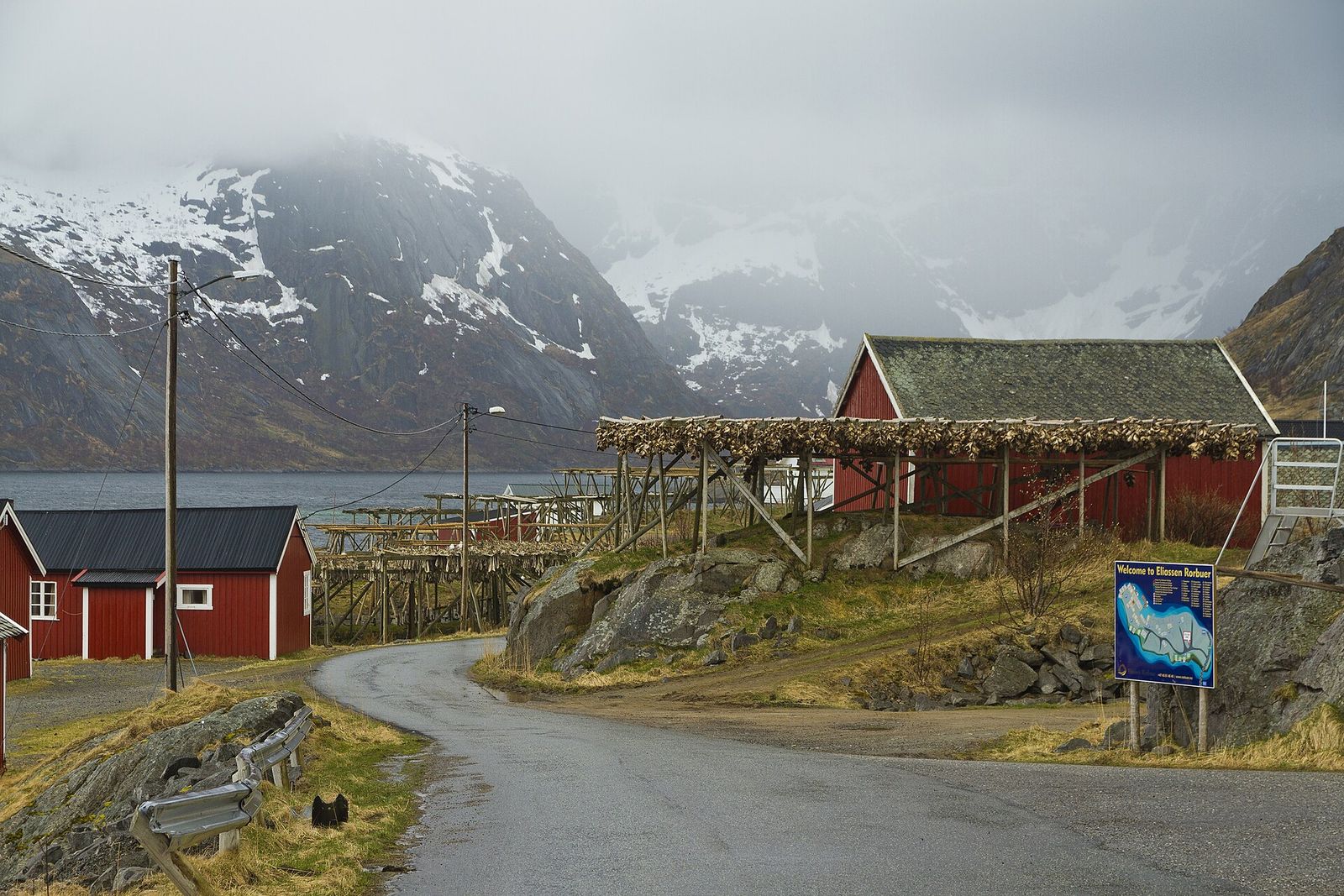
A Stay in a Lofoten Rorbu: Fishing Life Among the Islands
Hamnøy, Lofoten, Norway
Traditional fishermen's cabins offer a close-up way to experience Lofoten's harbors, steep peaks and changing Arctic light.
Read More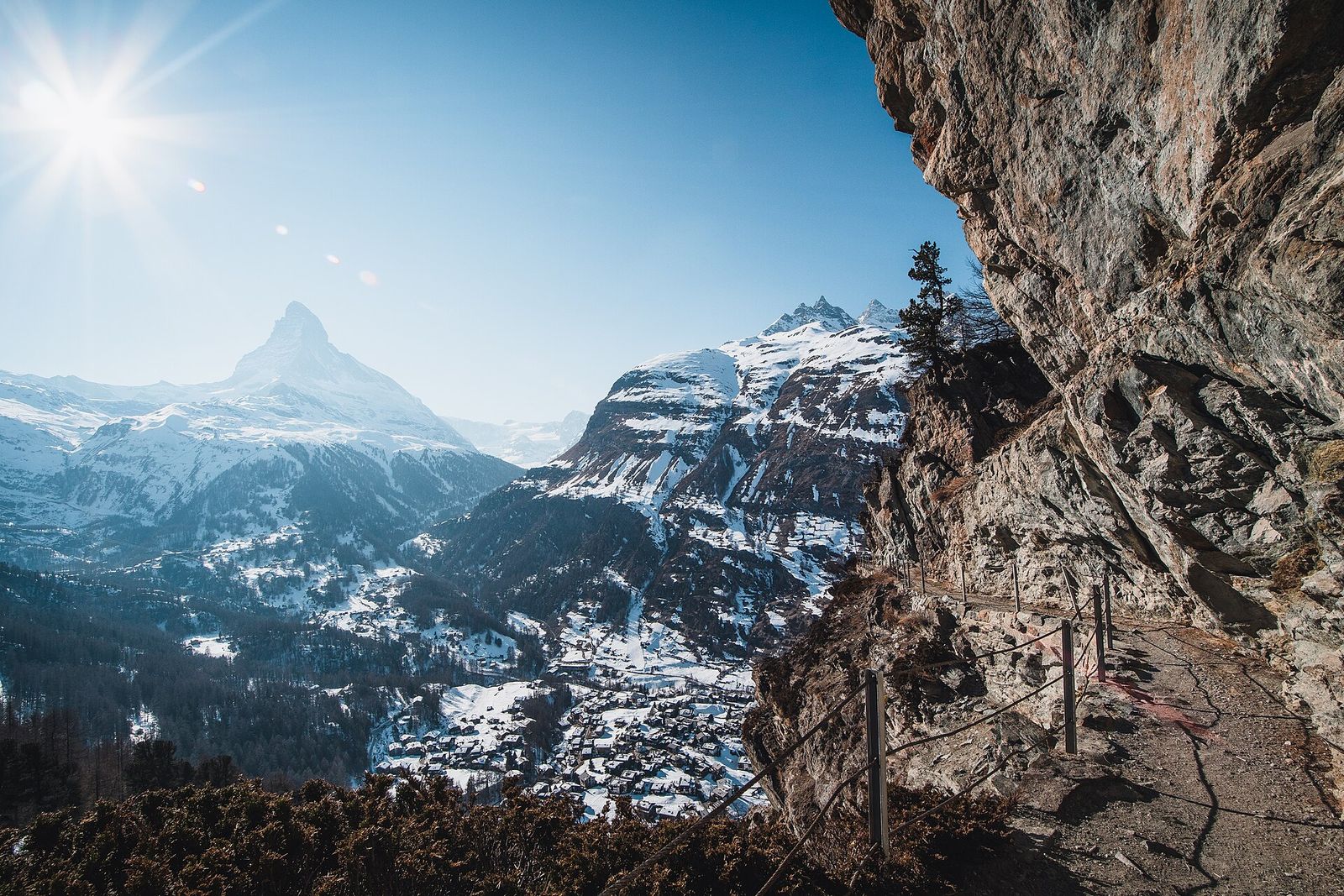
Nature Escapes · 7 min read
Zermatt Chalets in the Shadow of the Matterhorn
Zermatt, Valais
A practical guide to choosing a chalet in car-free Zermatt, balancing village life, mountain access and the ever-present Matterhorn.
Read More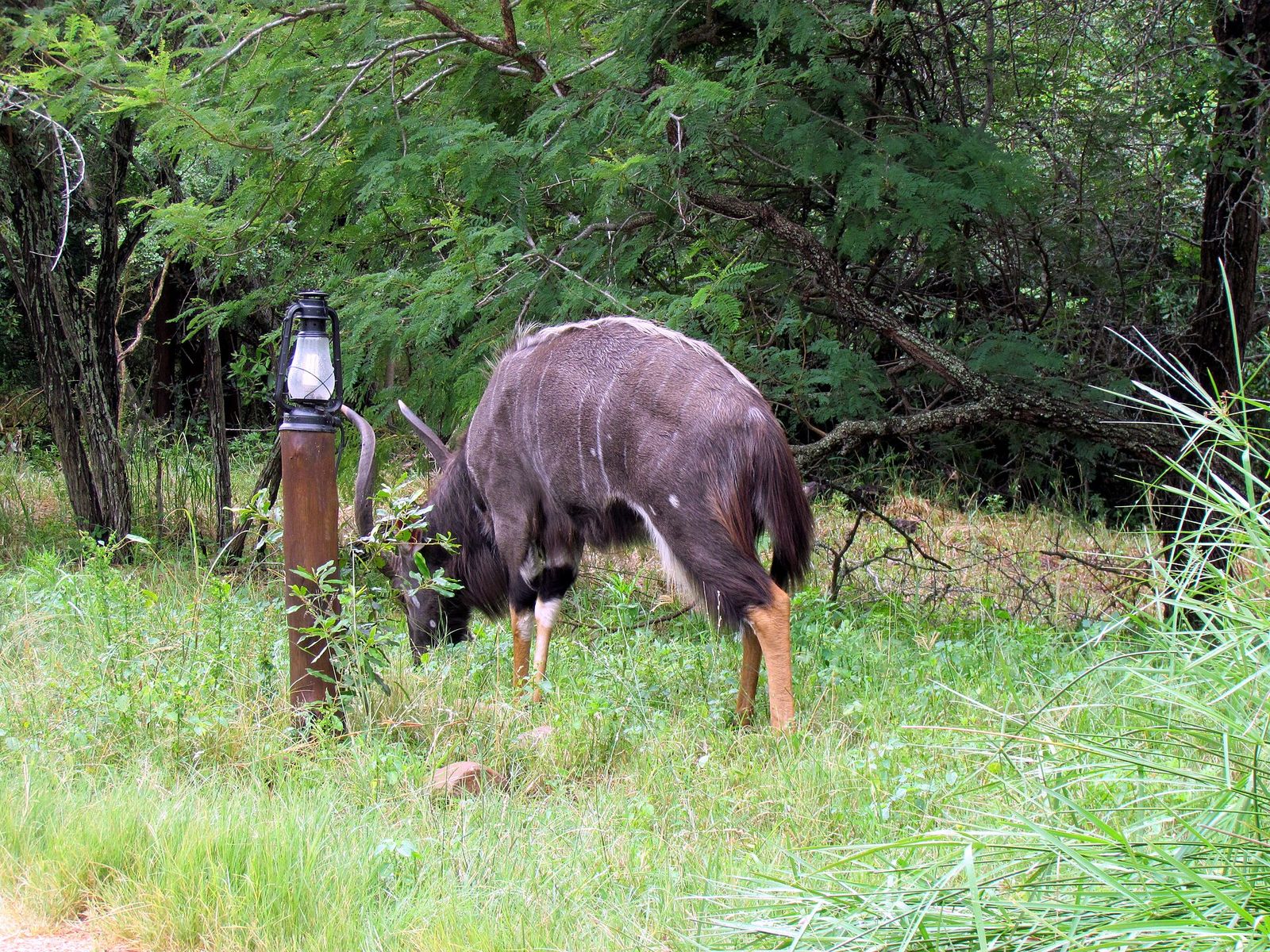
Nature Escapes · 7 min read
Safari Lodges on the Edge of Kruger
Mpumalanga and Limpopo, South Africa
How to understand private-reserve and national-park stays around Sabi Sand, from game drives to practical arrival planning.
Read More