A Stay in a Lofoten Rorbu: Fishing Life Among the Islands
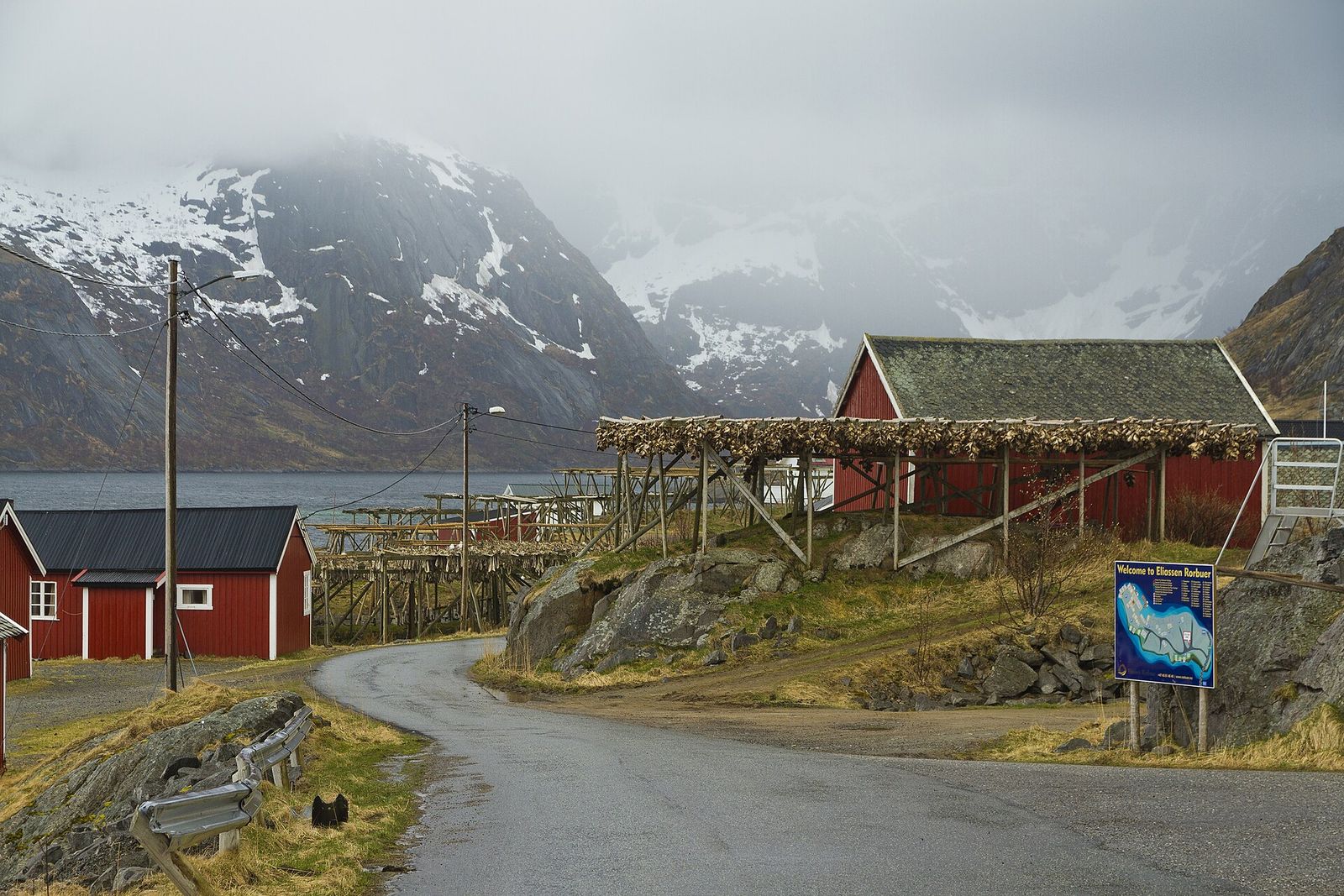
The red cabins of Lofoten stand on stilts at the waters edge, their backs to the mountains and their doors facing the sea. They are called rorbuer, and for generations they housed fishermen who came to the islands each winter for the great cod fishery. Today many of them have been converted into simple, comfortable places to stay. Sleeping in one, with the tide moving beneath the floor and granite peaks rising straight out of the fjord, is one of the classic ways to experience northern Norway.
What a rorbu is
The word rorbu comes from "ro", to row, and "bu", a dwelling. In practice it meant a basic cabin where fishermen lived during the Lofoten fishery, known in Norwegian as Lofotfisket. Each winter, from roughly January to April, the Atlantic cod known as skrei migrates from the Barents Sea down to the waters around Lofoten to spawn. For centuries, thousands of fishermen travelled from along the coast to catch it, and they needed somewhere to sleep, eat, dry clothes and store gear.
The cabins were built partly over the water on wooden piles, so boats could be tied up right outside. They were cramped and practical, often shared by a whole boat crew. Red was a common colour, partly because red paint, made with ochre and fish oil, was relatively cheap. White was more expensive and usually reserved for the houses of wealthier merchants.
From fishing huts to places to stay
As fishing became more industrialised in the 20th century, fewer crews needed the old cabins. Many were left empty. From the 1960s and 70s onward, some owners began renting them to visitors, and the idea spread. Today you will find everything from rustic rorbuer with simple wooden interiors to carefully renovated cabins with modern kitchens, heated floors and large windows looking out over the water. Fishing still goes on, though. In winter, the drying racks fill with cod, and the smell of the harbour reminds you that this is a working coast, not a theme park.
Hamnøy, Reine and the far west
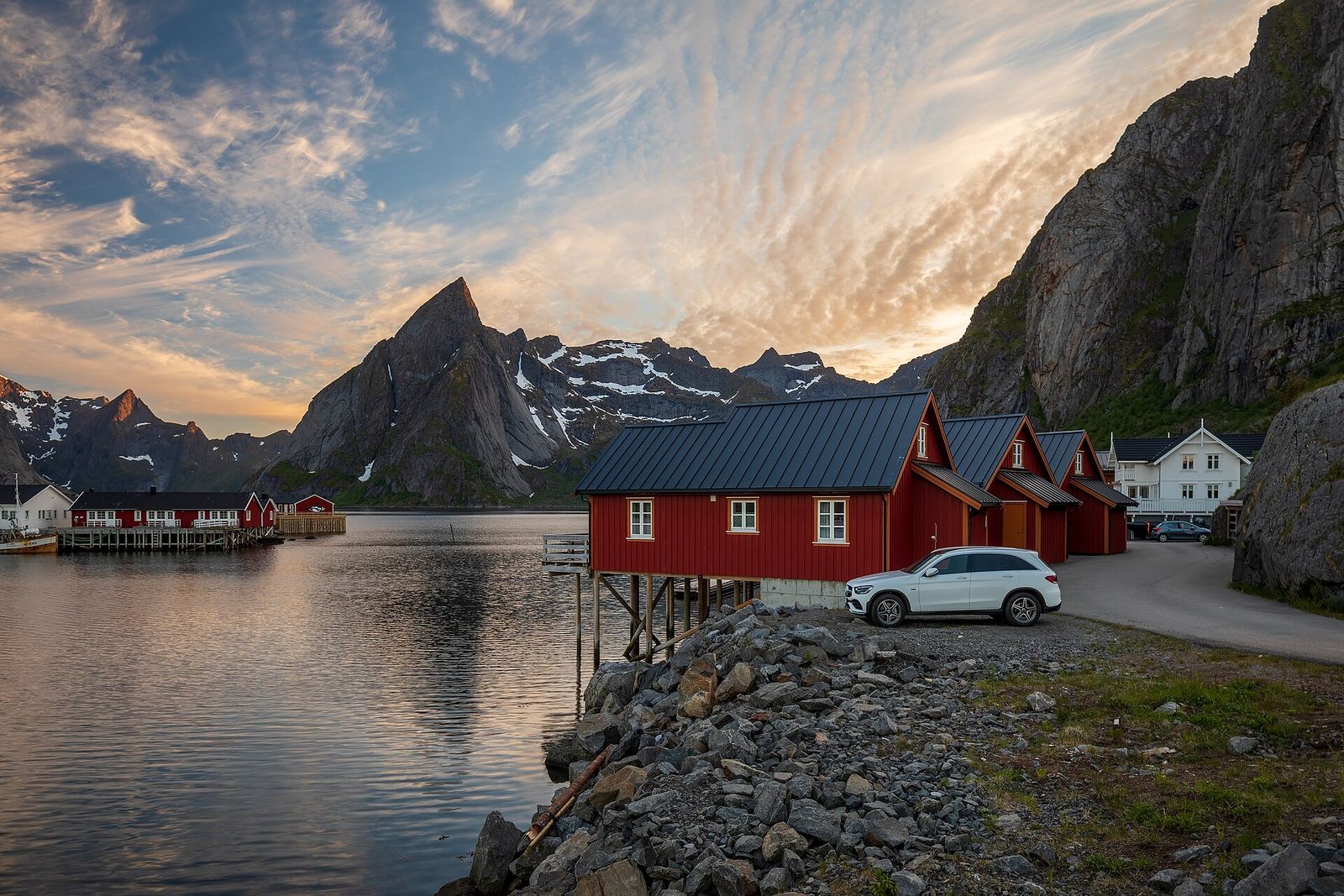
Hamnøy is a small fishing village on the island of Moskenesøya, close to the southern end of the archipelago. It sits on a cluster of islets linked by bridges along the E10 road, with the dark wall of mountains behind and the village of Reine just across the water. The view of Hamnøy's red cabins against those peaks is one of the most photographed in Norway, and for good reason.
Reine, a few minutes away, is a larger village with shops, cafés and boat connections into the fjords. Further along the road lies Å, a village at the very end of the E10, with its Norwegian Fishing Village Museum and Stockfish Museum, which explain how cod fishing and stockfish production shaped life here. Spending even a couple of hours there makes the rorbu you are staying in feel much more alive.
Stockfish on the racks
Between late winter and early summer, wooden racks called hjell are hung with headless cod, drying slowly in the wind and cold air. This is stockfish, and Lofoten's version has protected geographical status in Europe. The fish dries for months without salt, and much of it is exported, historically and today, to countries such as Italy. Look at the racks, take photos, but dont touch the fish. It is someone's livelihood.
The light, through the year
Lofoten lies well north of the Arctic Circle, and the seasons are extreme. In winter there is a period of polar night around the turn of the year, when the sun stays below the horizon, but the midday twilight can be beautiful, and the dark evenings give a real chance of seeing the northern lights. Late winter, February and March, brings rapidly lengthening days, snow on the peaks and the busiest part of the skrei season.
From roughly late May to mid July, the sun does not set at all. The midnight sun means you can hike at 11 pm and come back to your cabin in golden light. Summer is the main hiking season and also the busiest period for visitors. Autumn brings shorter days again, stormy weather, colour on the hillsides and, from around late August, dark enough nights for the aurora.
Weather is part of the deal
Thanks to the Gulf Stream, Lofoten is milder than its latitude suggests, but it is also changeable and windy. Rain, sun and sleet can all appear in the same afternoon. Bring layers, a proper waterproof shell and expect plans to shift.
Hiking and the outdoors
Lofoten is famous for short, steep hikes with enormous views. Near Reine, the climb up Reinebringen follows a long stone staircase built by Nepalese Sherpas, and the view from the top over Reine and the fjords is extraordinary. It is steep and can be dangerous in wet, icy or snowy conditions, so check local advice before setting off. Other well known walks include Ryten above Kvalvika beach, and the trails around Bunes beach, reached by boat from Reine.
Kayaking, fishing trips and boat tours into the fjords are also popular, offered by local operators in season. In winter, guided trips can take you onto the water to see the fishing fleet, or out on aurora watching evenings.
Respecting the islands
Lofoten has become very popular, and the infrastructure in small villages is limited. Norway's right to roam, allemannsretten, allows people to walk in uncultivated land, but it comes with responsibilities. Stay on paths where they exist, take all rubbish with you, use proper toilets, and never camp or park overnight where it is not allowed. Many rorbuer are on private land close to homes and working fishing sheds, so keep noise down and dont wander onto piers and boats.
Getting there
There are several ways to reach the far west of Lofoten. Flights from Oslo via Bodø serve Leknes, the main airport for the western islands, and there are smaller airports at Svolvær and further north at Evenes. A car ferry runs from Bodø on the mainland to Moskenes, close to Reine and Hamnøy, and the crossing takes a few hours over open sea. You can also drive the whole way on the E10, which connects the islands to the mainland by a series of bridges and tunnels. The Hurtigruten coastal ships call at Stamsund and Svolvær.
A rental car makes life much easier, since buses are infrequent, especially outside summer. Roads are narrow, with many single lane bridges, so drive patiently and use the passing places properly.
Practical tips for a rorbu stay
- Check whether your rorbu has a full kitchen. Many do, and cooking your own food saves a lot in a region where restaurants are limited and not cheap.
- Buy groceries in a larger town like Leknes before heading to the villages at the end of the road.
- Bring slippers or thick socks. Old wooden floors over the water can be chilly, even when the cabin is heated.
- In winter, carry studded shoe grips or microspikes. Harbour quays and paths can be very icy.
- Ask your hosts about local fishing rules and boat trips, rather than taking a boat or fishing gear out on your own.
- If you are hoping for the aurora, choose a cabin with a view north or with dark surroundings, away from bright harbour lights.
Living beside the water
There is a particular sound to a rorbu at night: the sea moving under the floor, the creak of wood, gulls somewhere in the dark. It reminds you why these cabins were built where they are. Lofoten's beauty is obvious from the first glance, but staying in a fisherman's cabin connects that beauty to the people who worked these waters for centuries.
Questions travellers ask
When is the best time to see skrei fishing in Lofoten?
The traditional cod fishery runs roughly from January to April, with drying racks full of fish from late winter into early summer.
Do I need a car to stay in Hamnøy?
It is strongly recommended. Buses are limited, especially outside summer, and a car makes it easier to reach trailheads, shops and other villages.
Is Reinebringen safe to hike?
In good conditions the stone staircase is steep but manageable. It can be dangerous when wet, icy or snowy, so follow local advice and avoid it in poor weather.
Clifton Inn is an independent travel information website and does not take bookings. Details such as opening seasons and access can change, so please confirm current information with the relevant provider.
Related stories
Extraordinary Stays · 7 min read
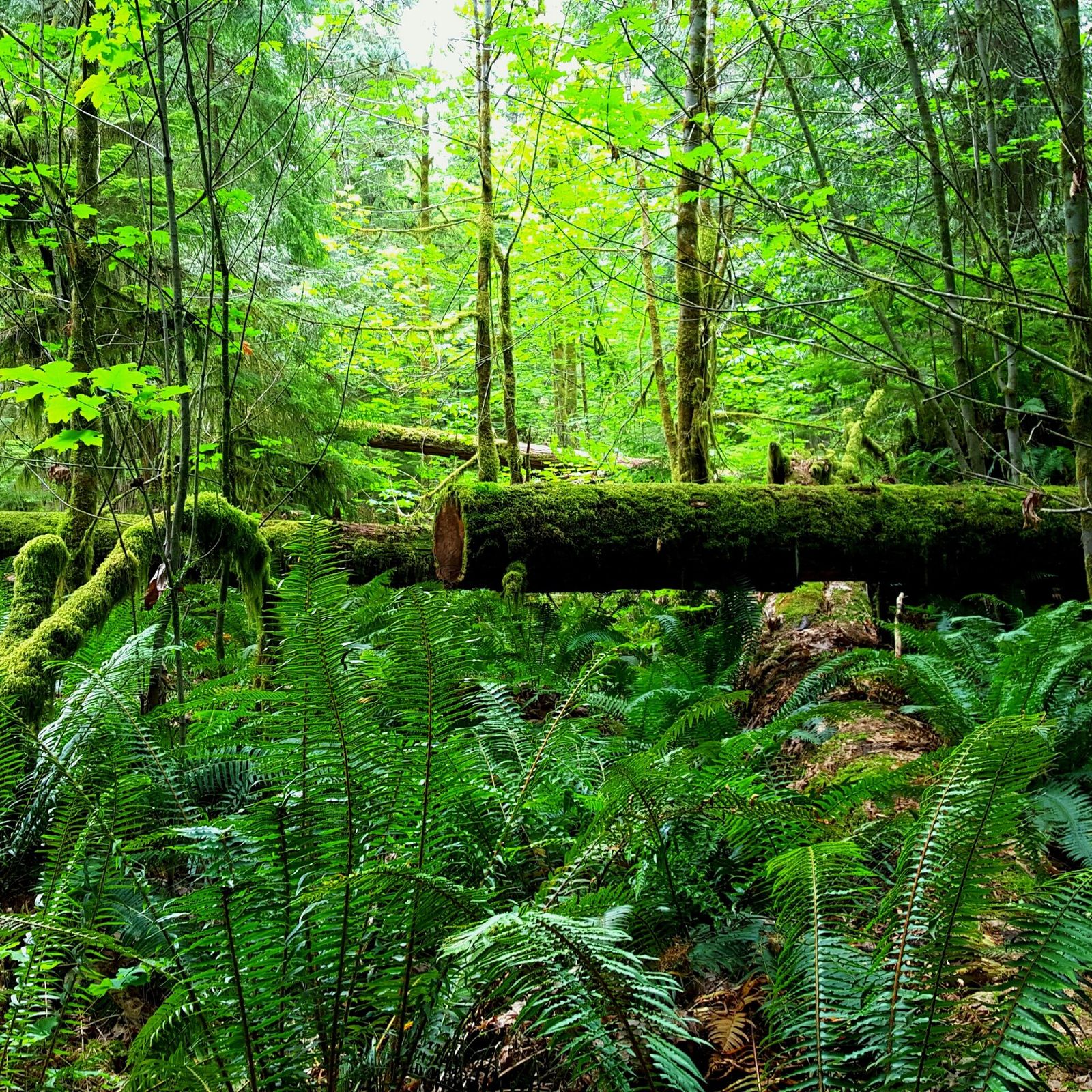
Free Spirit Spheres: Hanging Among the Trees
Qualicum Beach, Vancouver Island, Canada
On Vancouver Island, round wooden spheres suspended from coastal trees offer a treehouse stay unlike any other.
Read More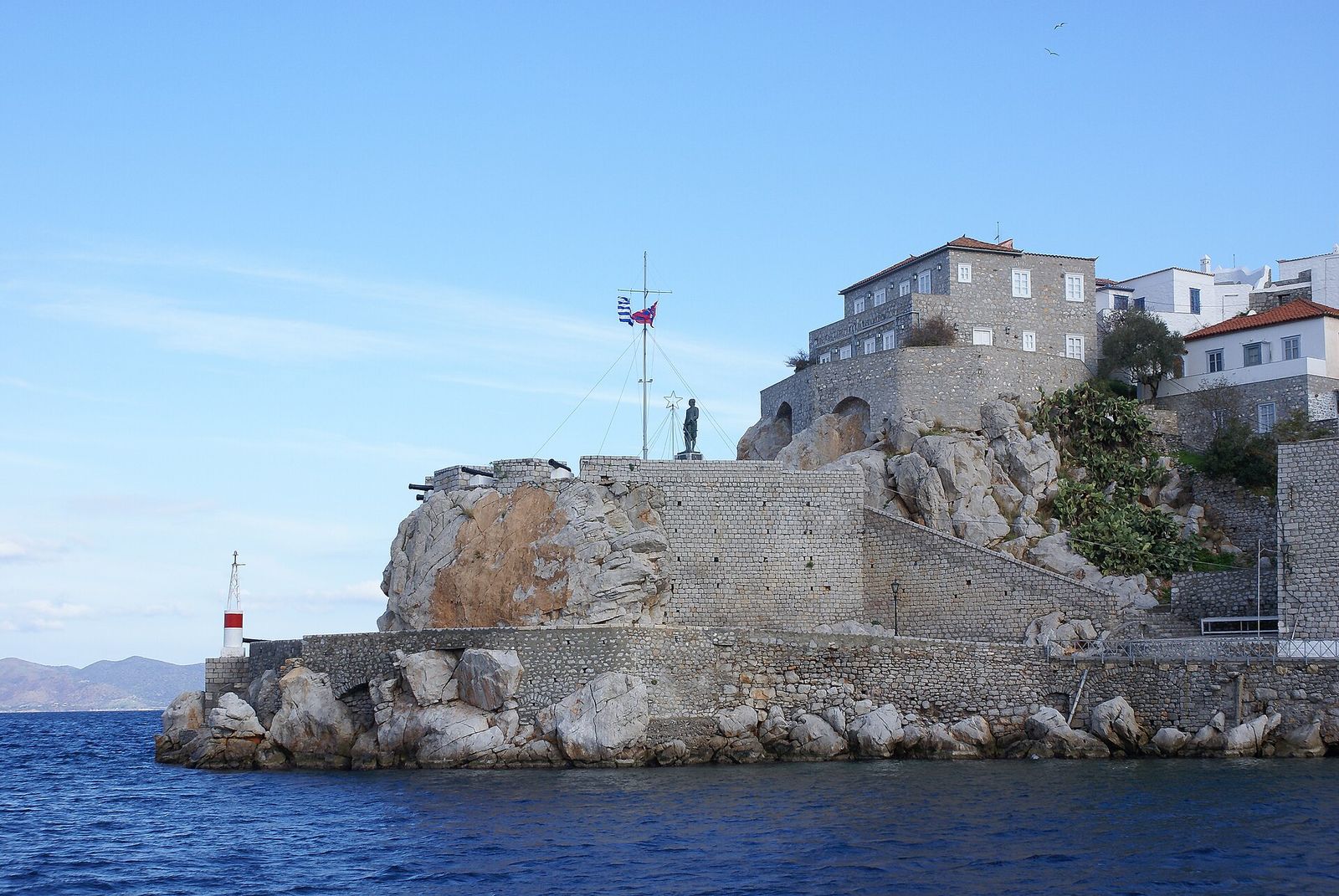
Hidden Retreats · 7 min read
Hydra Without Cars: A Slow Island Stay in the Saronic Gulf
Hydra, Saronic Islands, Greece
On Hydra, harbor walks, steep lanes and sea routes set the pace for a Greek island escape without ordinary road traffic.
Read More
Hidden Retreats · 7 min read
Lord Howe Island: A Small-Scale Escape in the Tasman Sea
Lord Howe Island, New South Wales, Australia
A remote island of reefs, forest and dramatic peaks, Lord Howe rewards careful planning and a gentle pace.
Read More