Milford Sound and Fiordland: New Zealand at Its Most Elemental
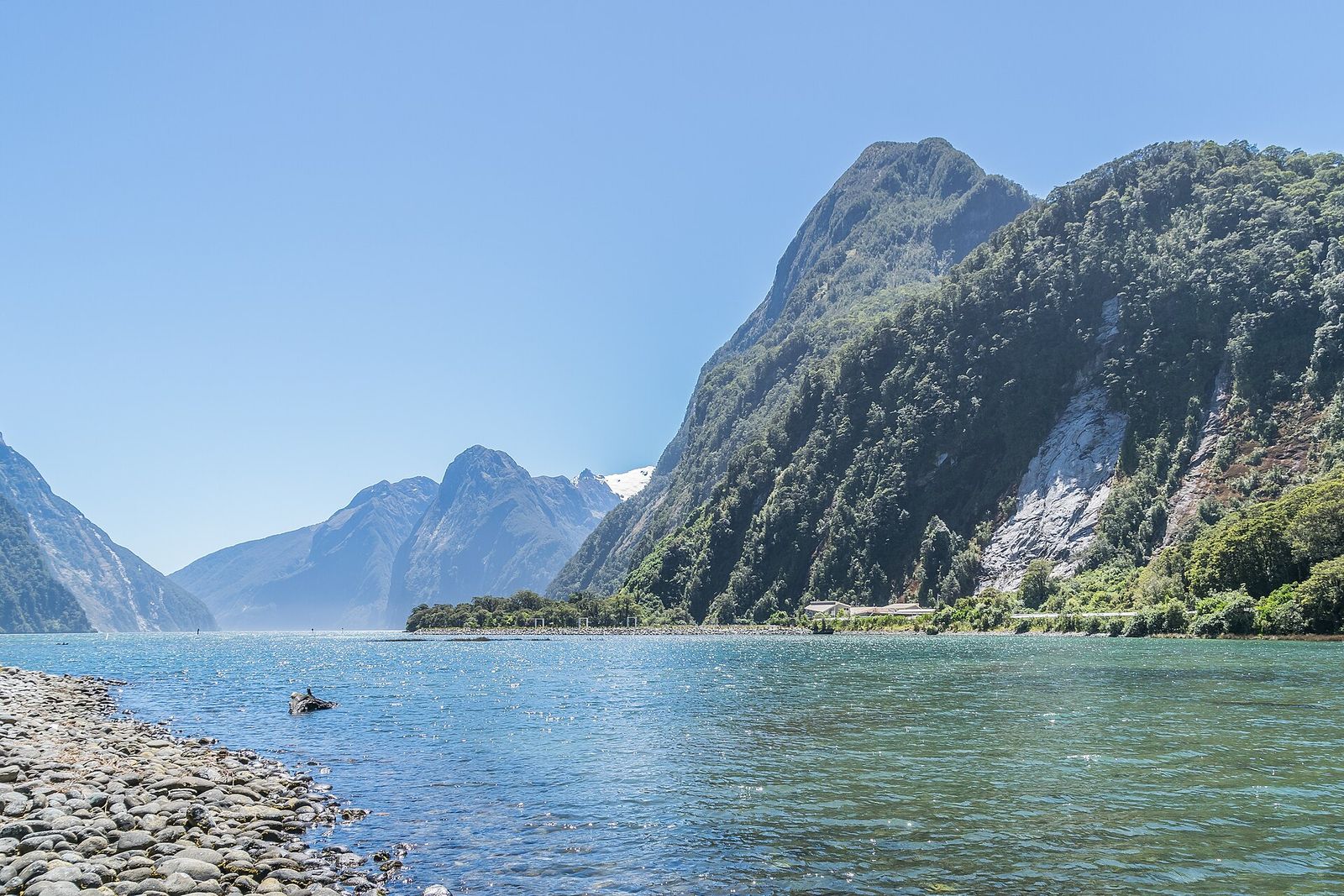
Milford Sound is one of those places where the journey matters almost as much as the arrival. The road from Te Anau runs through beech forest, past mirror lakes and up into a glacier carved valley, then through a tunnel in a granite wall before dropping steeply to the sea. At the end lies a deep, narrow inlet framed by sheer cliffs, with waterfalls pouring down from hundreds of metres above. In Fiordland, on the southwest corner of New Zealand's South Island, rain is common. It is not a reason to stay away. In fact, it is often when the place is at its most spectacular.
A fiord, not a sound
Despite its name, Milford Sound is technically a fiord, a valley carved by glaciers and later flooded by the sea, rather than a sound, which is formed by a river valley flooding. Its Māori name is Piopiotahi, linked to a story about the piopio, a native bird that is now extinct. The fiord stretches about 15 kilometres inland from the Tasman Sea, with steep walls rising straight from the water.
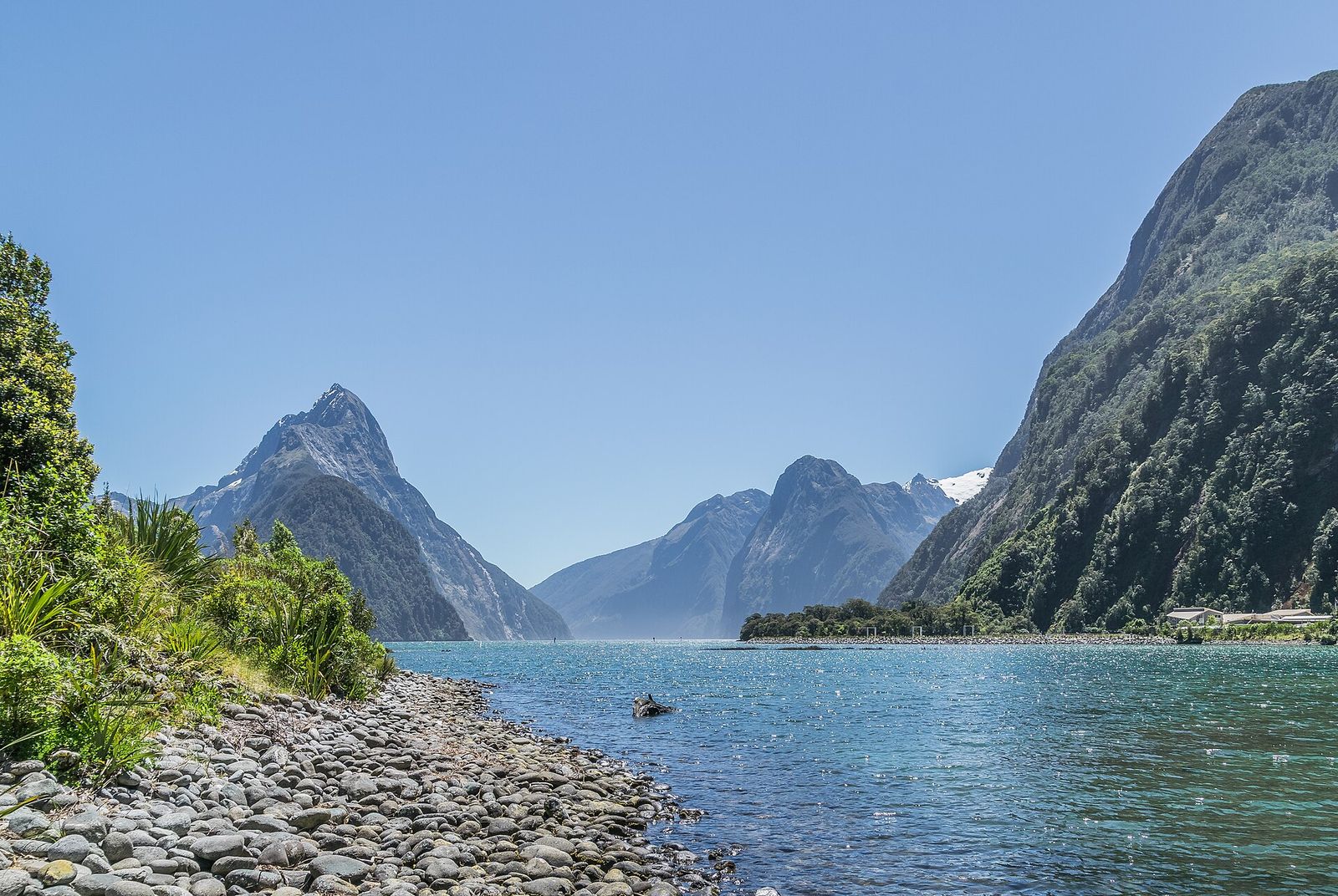
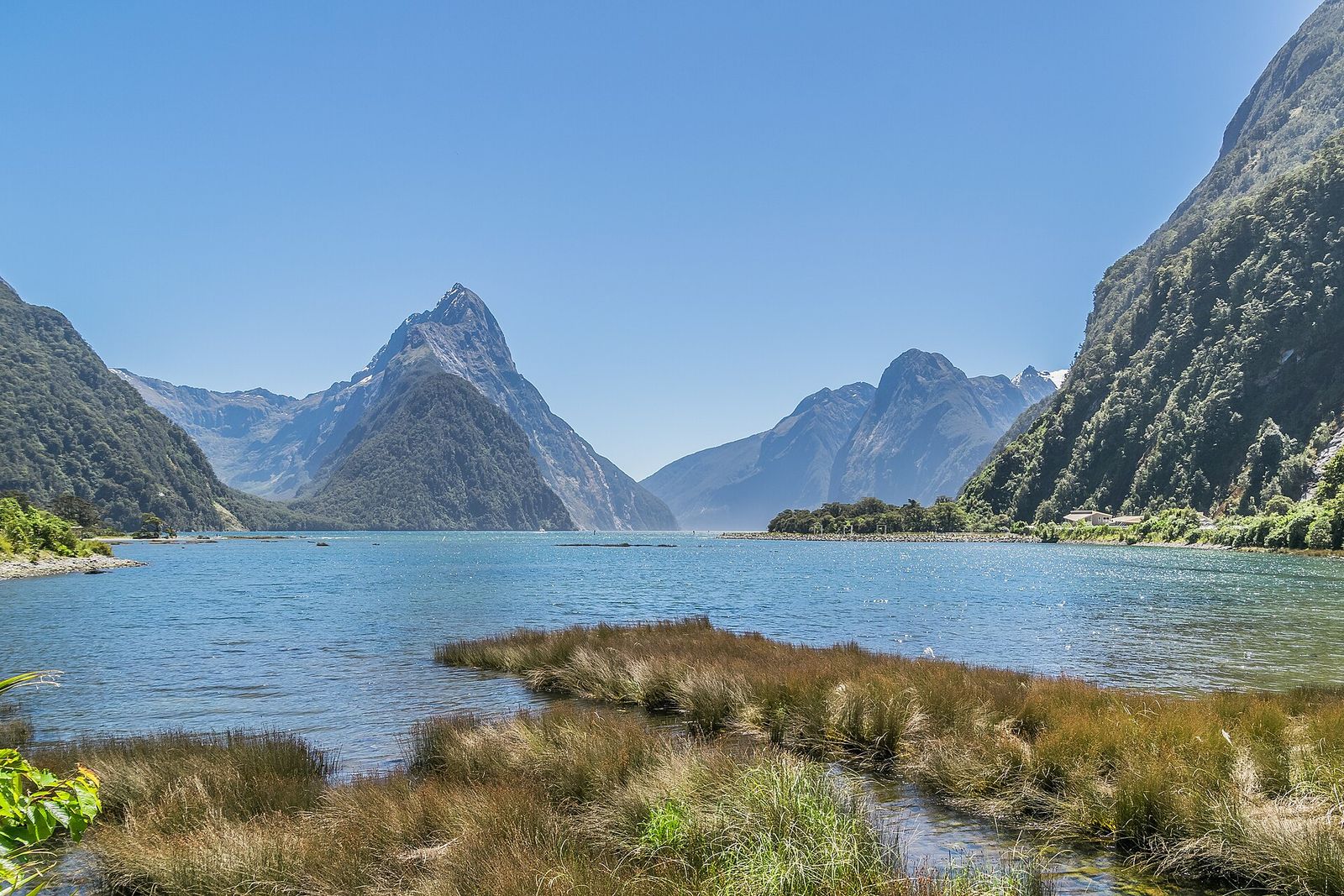
The most famous peak is Mitre Peak, which rises to around 1,690 metres and seems to soar directly out of the fiord. Nearby, waterfalls such as Lady Bowen Falls and Stirling Falls run year round, while after heavy rain hundreds of temporary waterfalls cascade down the cliffs.
Part of something larger
Milford Sound lies within Fiordland National Park, New Zealand's largest national park, established in 1952. The park is part of Te Wāhipounamu, the South West New Zealand World Heritage Area, inscribed by UNESCO in 1990. It is an area of rugged mountains, deep lakes, rainforest and fiords, much of it remote and difficult to reach.
Rain as part of the experience
Fiordland is one of the wettest places in New Zealand, and Milford Sound receives a very large amount of rain each year, measured in metres rather than millimetres. Rain can fall on many days of the year, often heavily. When it does, the cliffs come alive with waterfalls, and mist drifts across the fiord. On clear days, the reflections and views of Mitre Peak are stunning. Both are worth seeing.
Wildlife in the fiord
New Zealand fur seals are often seen lounging on rocks at the edge of the fiord. Bottlenose dolphins sometimes swim near boats, and the Fiordland crested penguin, or tawaki, may be seen in certain seasons, mainly from late winter into spring. Underwater, the fiord has a unique environment, with a layer of fresh water from rain sitting on top of seawater, allowing deep water species like black coral to grow closer to the surface than usual.
The Milford Road
The road to Milford Sound, State Highway 94, runs for around 120 kilometres from Te Anau and usually takes at least two hours without stops. There is much to see along the way, and many people take much longer.
Highlights along the road
The Eglinton Valley opens into wide grassy flats surrounded by mountains. The Mirror Lakes, a short walk from the road, reflect the peaks on calm days. Further on, the road climbs to the Homer Tunnel, a single lane tunnel cut through the mountain, controlled by traffic lights. On the other side, the road drops steeply towards Milford Sound through dramatic scenery. Short walks, such as the Chasm, where the Cleddau River has carved strange shapes in the rock, are worth stopping for.
Kea and road safety
Near the Homer Tunnel, you may meet kea, the world's only alpine parrot. They are curious and clever, and they may investigate cars. Do not feed them. Human food is harmful to them, and feeding encourages dangerous behaviour near the road.
The Milford Road is exposed to avalanches in winter and spring, and it may close at short notice. Snow chains may be required, and there is no fuel available after Te Anau. Mobile phone coverage is limited or absent along much of the route. Check road conditions before you set out and allow plenty of time.
Exploring Milford Sound
Most visitors explore the fiord on a boat cruise, which runs from the Milford Sound terminal out towards the Tasman Sea and back, passing waterfalls, cliffs and wildlife. Kayaking tours offer a closer, quieter experience, and the Milford Discovery Centre and Underwater Observatory has given a glimpse of the unusual marine life below the surface. Scenic flights from Queenstown and Te Anau are another way to see the fiord, landing or flying over the mountains, though weather often affects them.
The Milford Track
The Milford Track is one of New Zealand's Great Walks, a multi day hike of around 53 kilometres from Lake Te Anau to Milford Sound. It passes through rainforest, alpine passes and valleys, including the Mackinnon Pass and the Sutherland Falls, one of the tallest waterfalls in New Zealand. During the main season, roughly late October to late April, the track must be walked in one direction, and hut bookings are required through the Department of Conservation. Places fill quickly, often soon after bookings open.
Sandflies
Milford Sound is famous for sandflies, small biting insects that can be very annoying. They are most active during the day, especially near water. Insect repellent and long sleeves help a lot. A Māori legend says the goddess Hinenuitepō released them to stop people from lingering too long in this beautiful place, which seems fair.
Te Anau as a base
Most visitors to Milford Sound stay in Te Anau, a small town on the shore of Lake Te Anau, the largest lake in the South Island. It has a good range of accommodation, restaurants, supermarkets and the Fiordland National Park Visitor Centre, where Department of Conservation staff can advise on walks, weather and track conditions. From Te Anau, boats cross the lake to the Te Anau glowworm caves, where tiny bioluminescent insects light up the ceilings of limestone caves in the dark. Another day trip goes to Doubtful Sound, a larger and more remote fiord reached by boat across Lake Manapouri and a bus over Wilmot Pass. Many people who visit both say Doubtful Sound feels wilder and quieter, though Milford has the more dramatic cliffs. If you only have one day, Milford is usually the choice, but if you can, staying a few nights in Te Anau lets you to wait for a good weather window rather than rushing.
When to go
Milford Sound can be visited year round. Summer, from December to February, has longer days and generally milder weather, but is the busiest season. Autumn and spring can be quieter, with changeable weather. Winter, from June to August, brings snow on the mountains and crisp, clear days, but also avalanche risk and occasional road closures. Rain can happen in any season. There is limited accommodation at Milford Sound itself, so many visitors stay in Te Anau.
Practical tips for Milford Sound
- Leave Te Anau early to avoid the midday peak of coaches and to have time for stops along the road.
- Fill your fuel tank in Te Anau. There is no fuel at Milford Sound or along the road.
- Check NZTA road conditions before departure, especially in winter and spring.
- Pack a waterproof jacket, warm layers and insect repellent, whatever the forecast says.
- Book Milford Track huts as soon as bookings open if you plan to walk the track.
- Do not feed kea or other wildlife, and keep a respectful distance from seals.
Questions travellers ask
Is Milford Sound worth visiting in the rain?
Yes. Rain creates hundreds of temporary waterfalls on the cliffs, and many visitors find it even more dramatic than on clear days.
How long is the drive from Te Anau to Milford Sound?
The drive is around 120 kilometres and takes at least two hours without stops, though most people take longer.
Do I need to book the Milford Track?
Yes. During the main season, hut bookings with the Department of Conservation are required, and places fill quickly.
Clifton Inn is an independent travel information website and does not take bookings. Details such as opening seasons and access can change, so please confirm current information with the relevant provider.
Related stories
Hidden Retreats · 7 min read
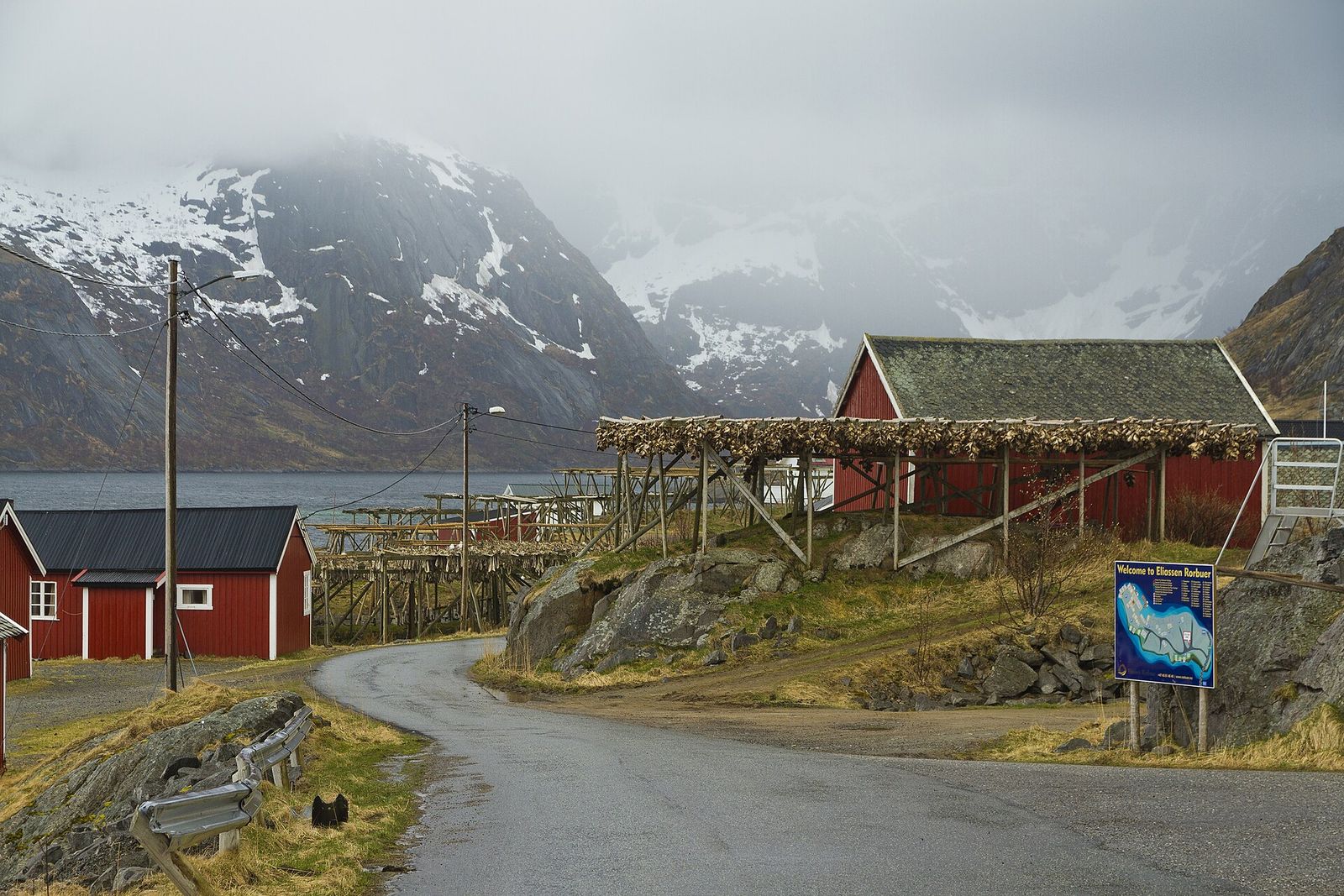
A Stay in a Lofoten Rorbu: Fishing Life Among the Islands
Hamnøy, Lofoten, Norway
Traditional fishermen's cabins offer a close-up way to experience Lofoten's harbors, steep peaks and changing Arctic light.
Read More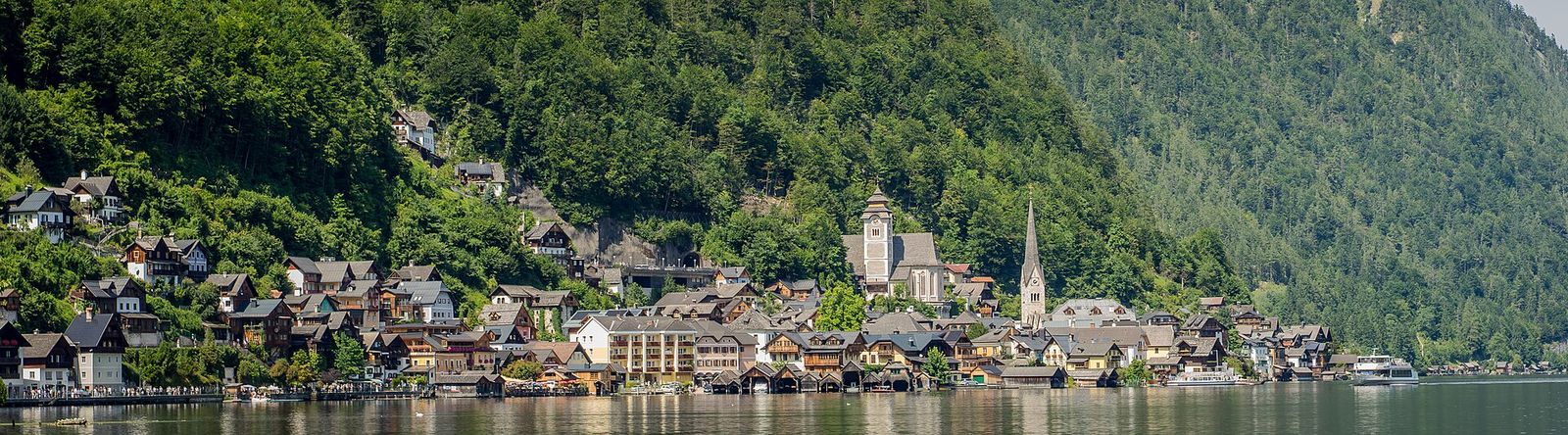
Places Worth the Journey · 7 min read
Hallstatt and the Salzkammergut: Austria's Lakeside Heartland
Hallstatt, Upper Austria
Pair Hallstatt's lakeside lanes with the wider Salzkammergut, where mountain scenery, working towns and clear-water lakes reward a slower itinerary.
Read More
Places Worth the Journey · 7 min read
The Amalfi Coast: A Road, a Shoreline and a Slower Pace
Amalfi, Campania
Explore the Amalfi Coast through its cliffside towns, sea routes and walking paths, with practical advice for making a crowded region feel manageable.
Read More