The Amalfi Coast: A Road, a Shoreline and a Slower Pace
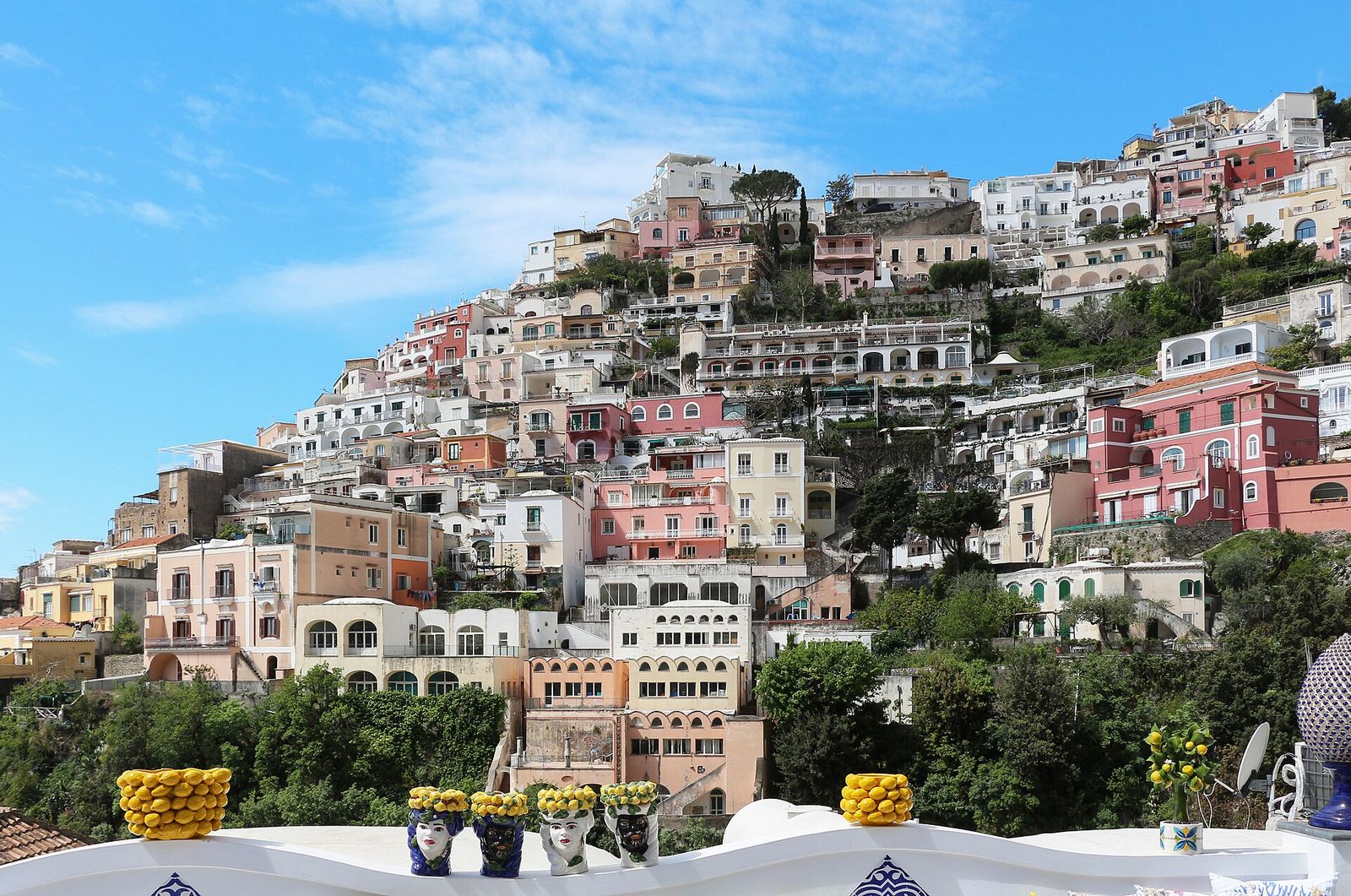
The Amalfi Coast is not one resort but a rugged stretch of southern Italian coastline on the Sorrento Peninsula, south of Naples. Villages cling to steep terraces above the Tyrrhenian Sea, lemon groves and vineyards climb the slopes, and a single winding road ties everything together. The views are as beautiful as everyone says. They also come with real challenges: narrow roads, countless steps, busy buses in summer and a strong seasonal rhythm. A visit goes best if you slow down, plan around these realities and let the coast set the pace.
A coast shaped by history
The Amalfi Coast has a long and proud past. In the Middle Ages, Amalfi was one of the Maritime Republics of Italy, a trading power with ships and merchants across the Mediterranean. Its wealth built churches, towers and palaces, and its sailors are often credited with helping to spread the use of the compass in Europe, although that claim is debated. Later, decline and earthquakes reduced its importance, and for centuries the area was relatively isolated, reachable mostly by sea.
In the 19th and 20th centuries, travelers, writers and artists began to discover the coast, drawn by its beauty and mild climate. In 1997, the Costiera Amalfitana was inscribed on the UNESCO World Heritage List as a cultural landscape, recognised for its terraced agriculture, historic towns and dramatic natural setting.
The road and its realities
The main road along the coast, the SS163 Amalfitana, runs for around 50 kilometres between Positano and Vietri sul Mare. It is famous for its hairpin bends, sheer drops and narrow sections where buses and cars squeeze past each other with centimetres to spare. Driving it is an experience, but not always a relaxing one, especially in summer.
In busy periods, local authorities have introduced traffic restrictions, including rules that limit access for non resident vehicles on certain days based on licence plate numbers. Parking is scarce and expensive in most villages. Many visitors decide it is easier not to drive, using buses, ferries and walking instead. If you do drive, check current traffic rules before you go.
Buses and ferries
SITA buses run along the coast, connecting Sorrento, Positano, Amalfi, Ravello and Salerno. They are cheap and frequent, but they can be very crowded in high season, and you may have to wait for the next bus if one is full. In the warmer months, ferries connect Salerno, Amalfi, Positano, Sorrento, Capri and sometimes Naples, offering a more relaxing way to travel with spectacular views of the coast from the water. Ferry services are reduced or suspended in winter and can be cancelled in rough seas.
The villages
Positano
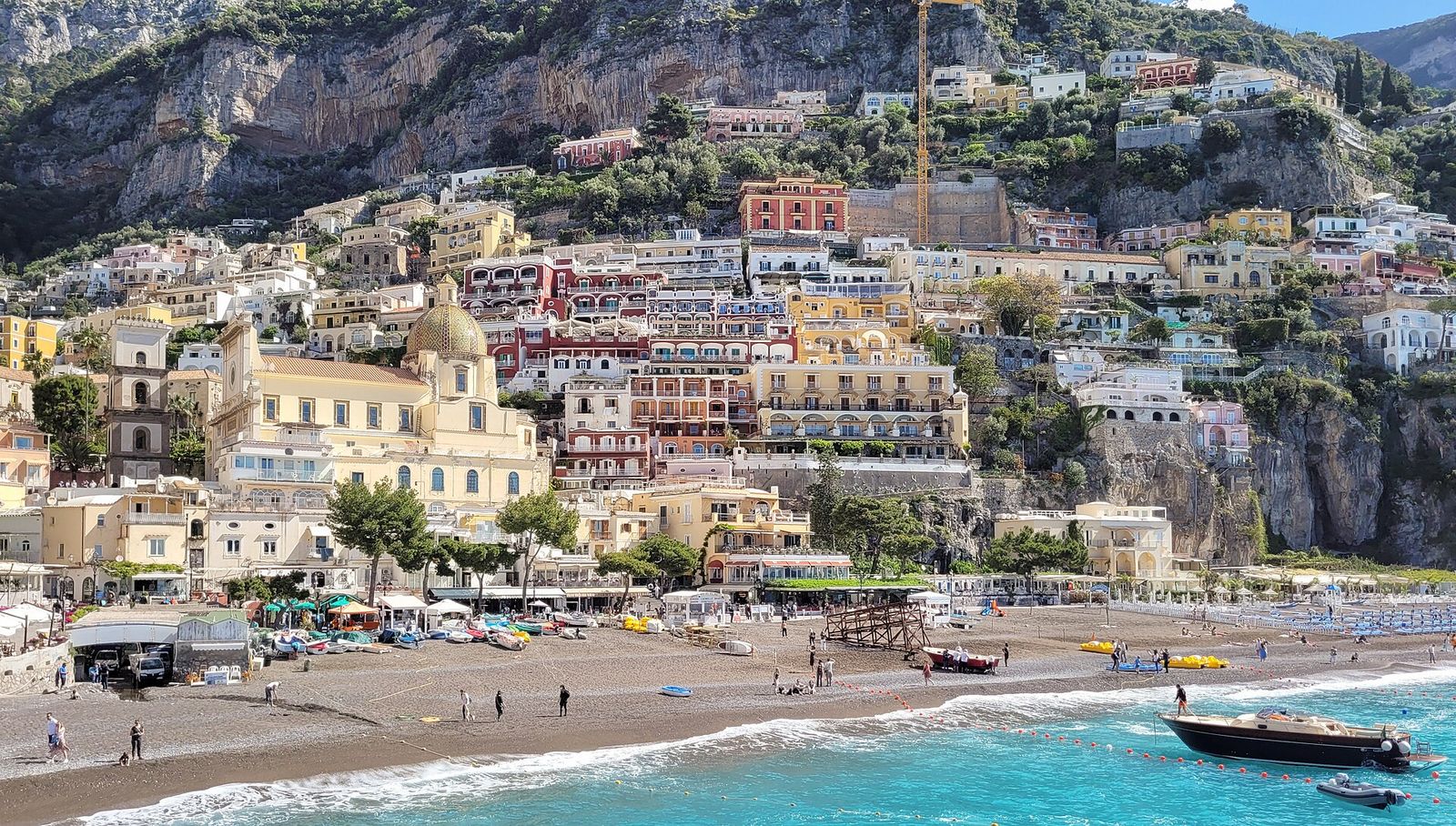
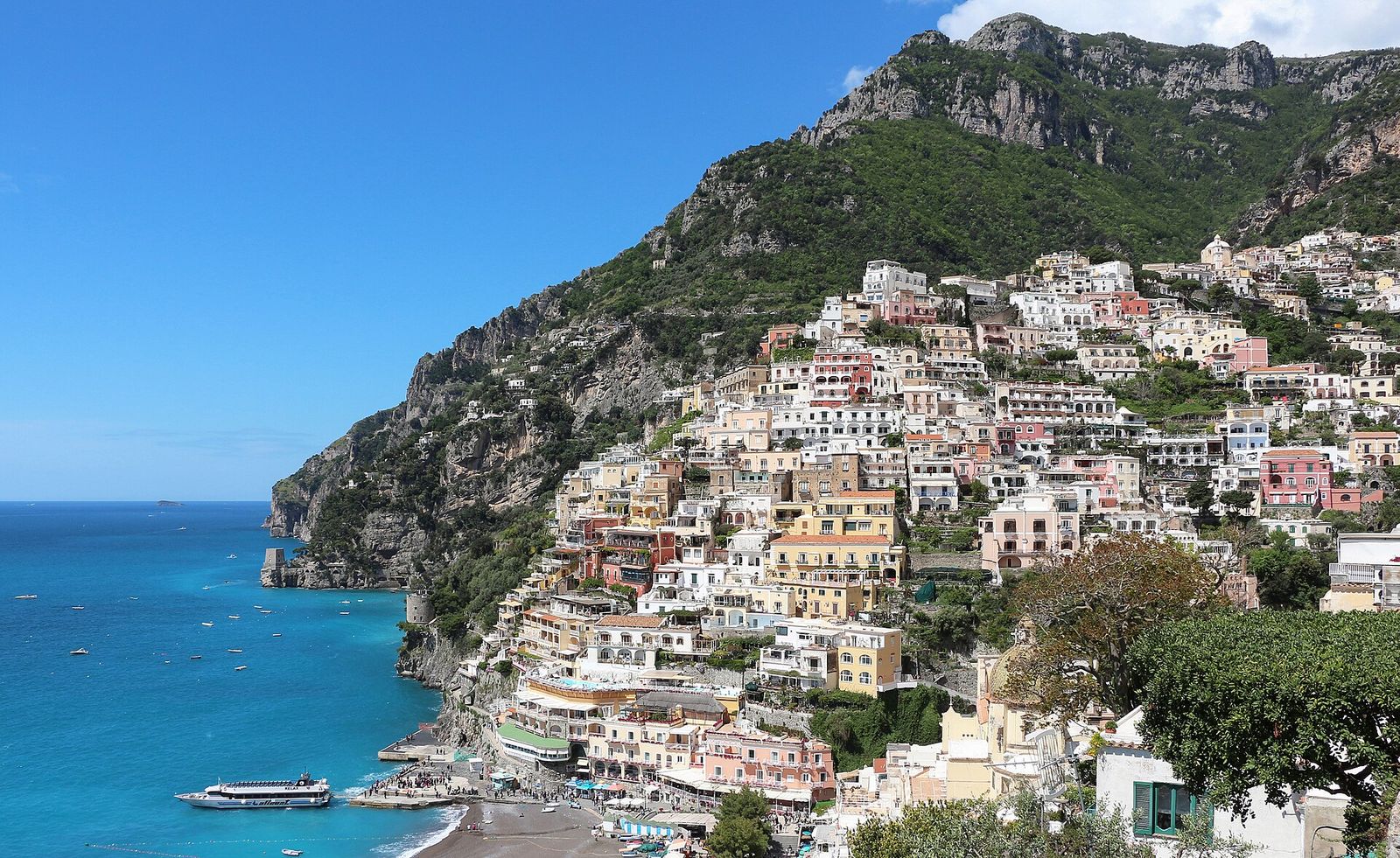
Positano is perhaps the most photographed village on the coast, with pastel houses stacked down the hillside towards a pebble beach. It is lively, fashionable and busy in summer, and getting around means a lot of stairs. Sitting on a terrace in the evening as the lights come on across the slope is a classic Amalfi moment.
Amalfi
The town of Amalfi is the historic heart of the coast. Its cathedral, the Duomo di Sant'Andrea, rises at the top of a broad staircase above the main piazza, with a striking striped facade and a beautiful Cloister of Paradise. Behind the town, the Valle delle Ferriere leads into a green valley with streams, waterfalls and remains of old paper mills. Amalfi was known for its handmade paper, and a small museum explains the tradition.
Ravello
High above the sea, Ravello feels calmer and more refined. Its gardens, especially those of Villa Rufolo and Villa Cimbrone, offer some of the most famous views on the coast. Villa Cimbrone's Terrace of Infinity is a highlight. Ravello is known for music, and the Ravello Festival holds concerts in summer, some on a stage overlooking the sea.
Smaller places
Villages like Atrani, Minori, Maiori, Praiano and Cetara are often less crowded and give a sense of everyday life. Cetara is known for its anchovies and colatura, a traditional fish sauce. Furore has a small fjord where a bridge spans a narrow inlet.
Walking the coast
Walking is one of the best ways to experience the coast. The Path of the Gods, the Sentiero degli Dei, runs high above the sea from Bomerano, near Agerola, to Nocelle, above Positano. It is one of Italy's most famous hikes, with spectacular views, though it can be busy and exposed to sun. From Nocelle, many walkers descend to Positano on a long staircase, which is hard on the knees. Other paths link villages and lemon terraces, often following old mule tracks and steps.
Lemons, limoncello and food
The coast is known for its large, fragrant lemons, the sfusato amalfitano, which has protected geographical status. They are used in limoncello, a lemon liqueur, and in desserts such as delizia al limone. Seafood is central to the local cuisine, with dishes like spaghetti alle vongole and fresh fish. Ceramics from Vietri sul Mare, painted in bright colours, are sold throughout the region.
Beaches and swimming
Beaches on the Amalfi Coast are mostly small and pebbly, squeezed into coves between the cliffs. In summer, many are divided between private beach clubs, with sunbeds and umbrellas for rent, and smaller free public sections, which fill up early. Some of the nicest swimming spots are reached by boat or long staircases, such as the beaches below Praiano or the little coves near Conca dei Marini. The water is usually clear and deep close to shore, which is wonderful for strong swimmers but less ideal for small children. Its worth bringing water shoes, the pebbles get very hot by midday and are uncomfortable to walk on.
Capri and day trips
From Positano and Amalfi, boats run to Capri in the warmer months, and some visitors also take day trips to Pompeii or Herculaneum, the Roman cities buried by Vesuvius in 79 AD. Both are reachable from Sorrento by train. Trying to fit too many trips into a short stay can be exhausting though, and the coast rewards those who stay put for a few days.
When to go
The Amalfi Coast has a strong seasonal rhythm. From around April to October, hotels, restaurants and ferries are fully open. July and August are hot and very busy, and prices are high. Late spring, May and June, and early autumn, September and early October, are often the most pleasant, with warm weather, swimmable seas and slightly fewer crowds. In winter, many hotels and restaurants close, ferries are reduced and the coast is quiet, which some people love. The weather can be mild but also rainy and stormy.
Getting there
Naples International Airport is the main gateway. From Naples, travelers can reach the coast by bus, ferry, private transfer or train to Sorrento or Salerno, then continue by bus or ferry. Salerno is linked to Rome and other cities by high speed trains, and from there ferries and buses serve the eastern end of the coast. Sorrento is reached from Naples on the Circumvesuviana railway, and from Sorrento buses follow the coast road to Positano and Amalfi.
Practical tips for the Amalfi Coast
- Choose one or two bases rather than changing hotels every night. Moving luggage up and down steps is hard work.
- Use ferries in the warmer months when possible. They are often more pleasant than crowded buses.
- Wear good shoes. Many villages are built on steep stairs, and paths can be slippery.
- Ask your accommodation in advance about access, steps and luggage help.
- Start popular walks like the Path of the Gods early, and carry water and sun protection.
- Check current traffic rules and parking options carefully if you plan to drive.
Questions travellers ask
Is it a good idea to drive on the Amalfi Coast?
It is possible, but the road is narrow and busy, parking is scarce, and traffic restrictions may apply in high season. Many visitors prefer buses and ferries.
When do ferries run on the Amalfi Coast?
Ferries mainly run in the warmer months, roughly spring to autumn, with reduced or no service in winter.
How long is the Path of the Gods?
The main section from Bomerano to Nocelle is several kilometres long and usually takes around three hours, depending on pace and stops.
Clifton Inn is an independent travel information website and does not take bookings. Details such as opening seasons and access can change, so please confirm current information with the relevant provider.
Related stories
Extraordinary Stays · 7 min read
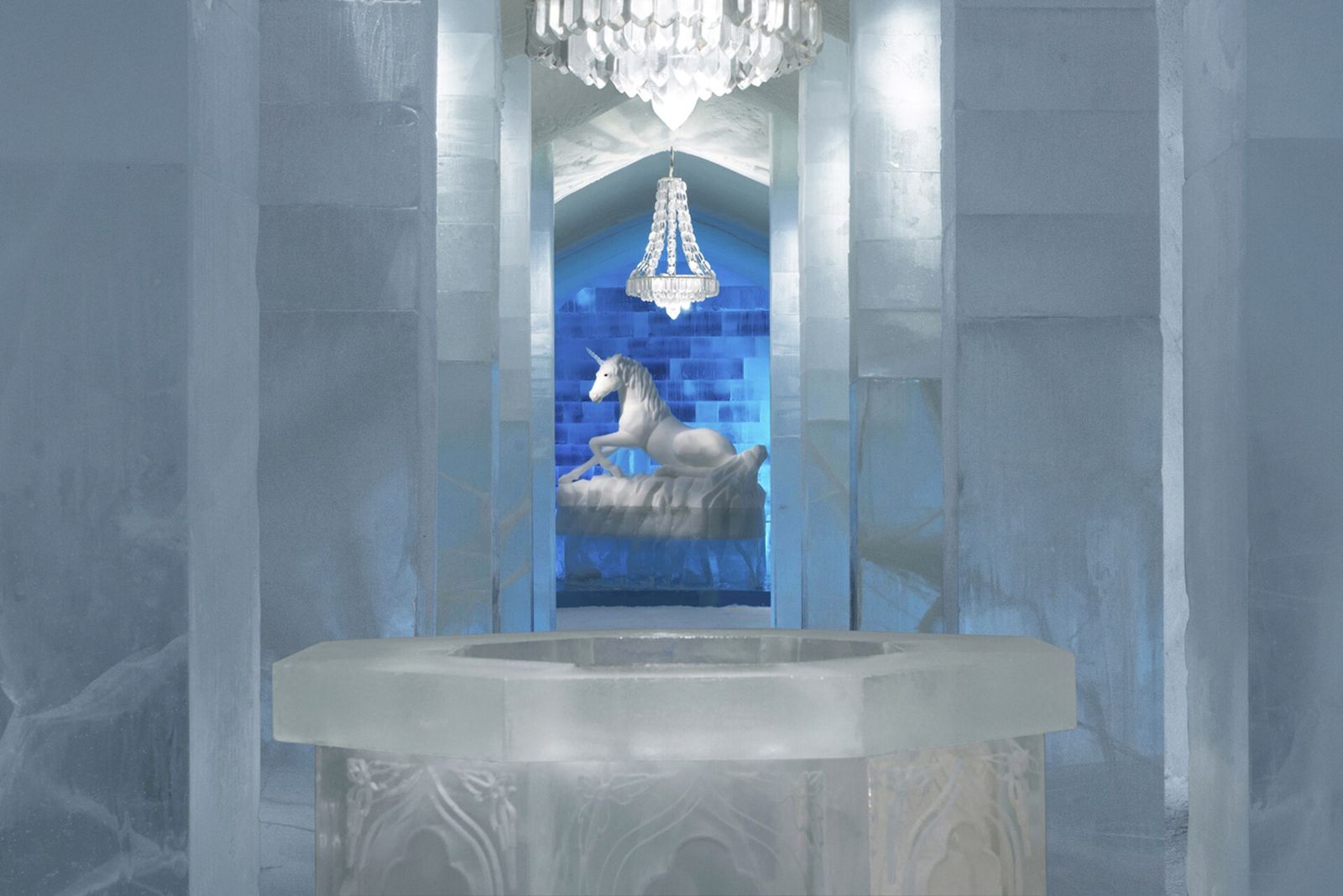
ICEHOTEL: A Hotel That Melts Back Into the River
Jukkasjärvi, Sweden
Rebuilt from Torne River ice every winter, ICEHOTEL in Swedish Lapland is part art gallery, part hotel and entirely seasonal.
Read More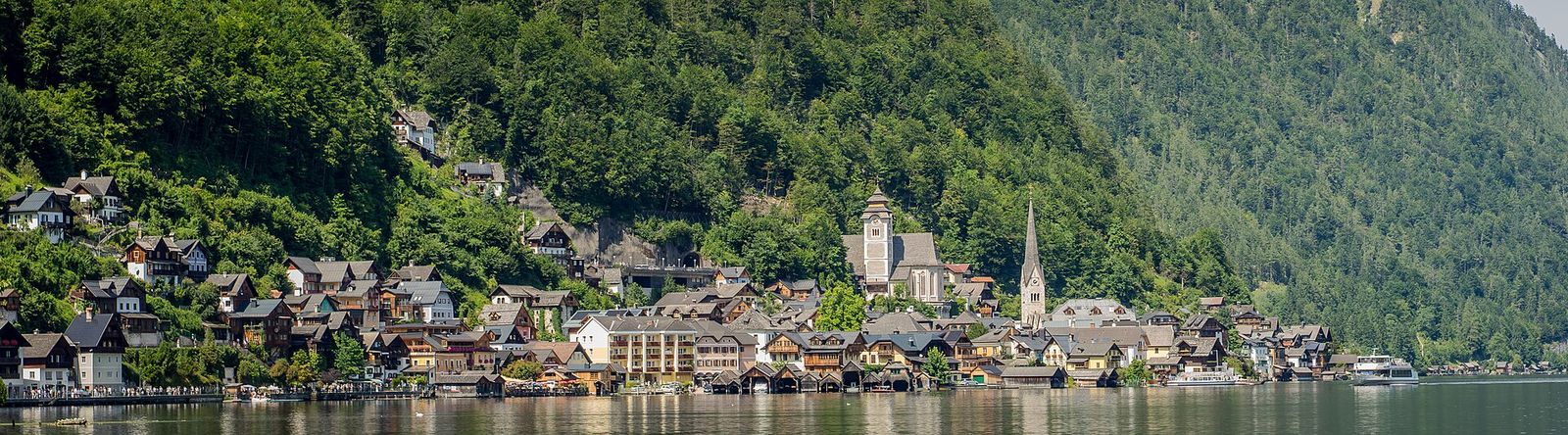
Places Worth the Journey · 7 min read
Hallstatt and the Salzkammergut: Austria's Lakeside Heartland
Hallstatt, Upper Austria
Pair Hallstatt's lakeside lanes with the wider Salzkammergut, where mountain scenery, working towns and clear-water lakes reward a slower itinerary.
Read More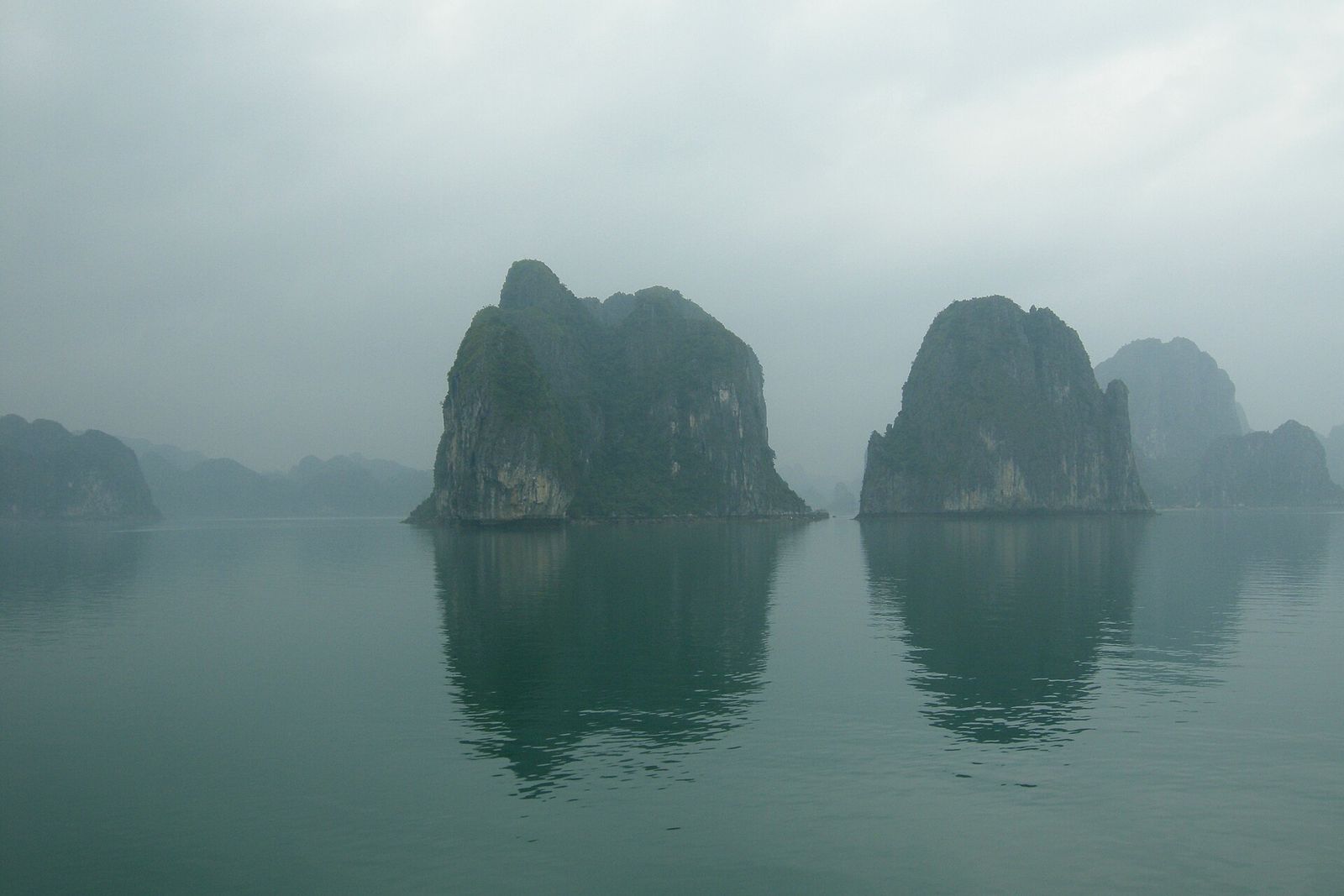
Places Worth the Journey · 7 min read
Ha Long Bay: Limestone Islands and Life on the Water
Quang Ninh Province
Ha Long Bay's limestone seascape is best approached with a thoughtful overnight plan, respect for local communities and realistic expectations about conditions.
Read More