Sleeping in Stone: The Sassi of Matera
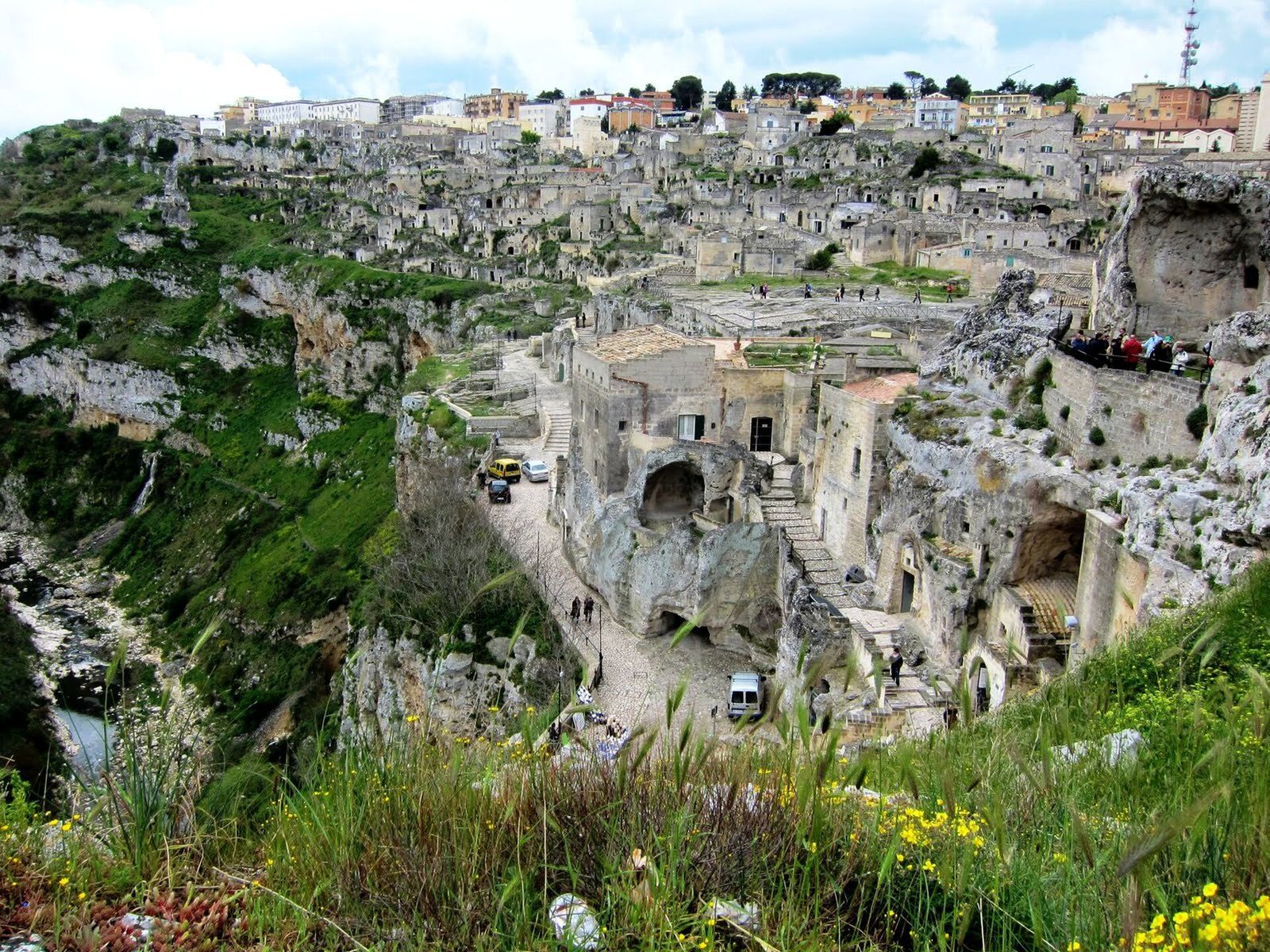
Matera looks, at first glance, as if it has been carved rather than built. Its two old districts, the Sassi, tumble down the side of a deep ravine in a mass of stone houses, staircases, rooftops that serve as streets, and churches cut into the rock. For centuries people lived in these cave dwellings. Today many of them have become guesthouses and small hotels, and sleeping in one is a quiet, slightly surreal way to understand one of the oldest continuously inhabited towns in the world.
Two Sassi and a ravine
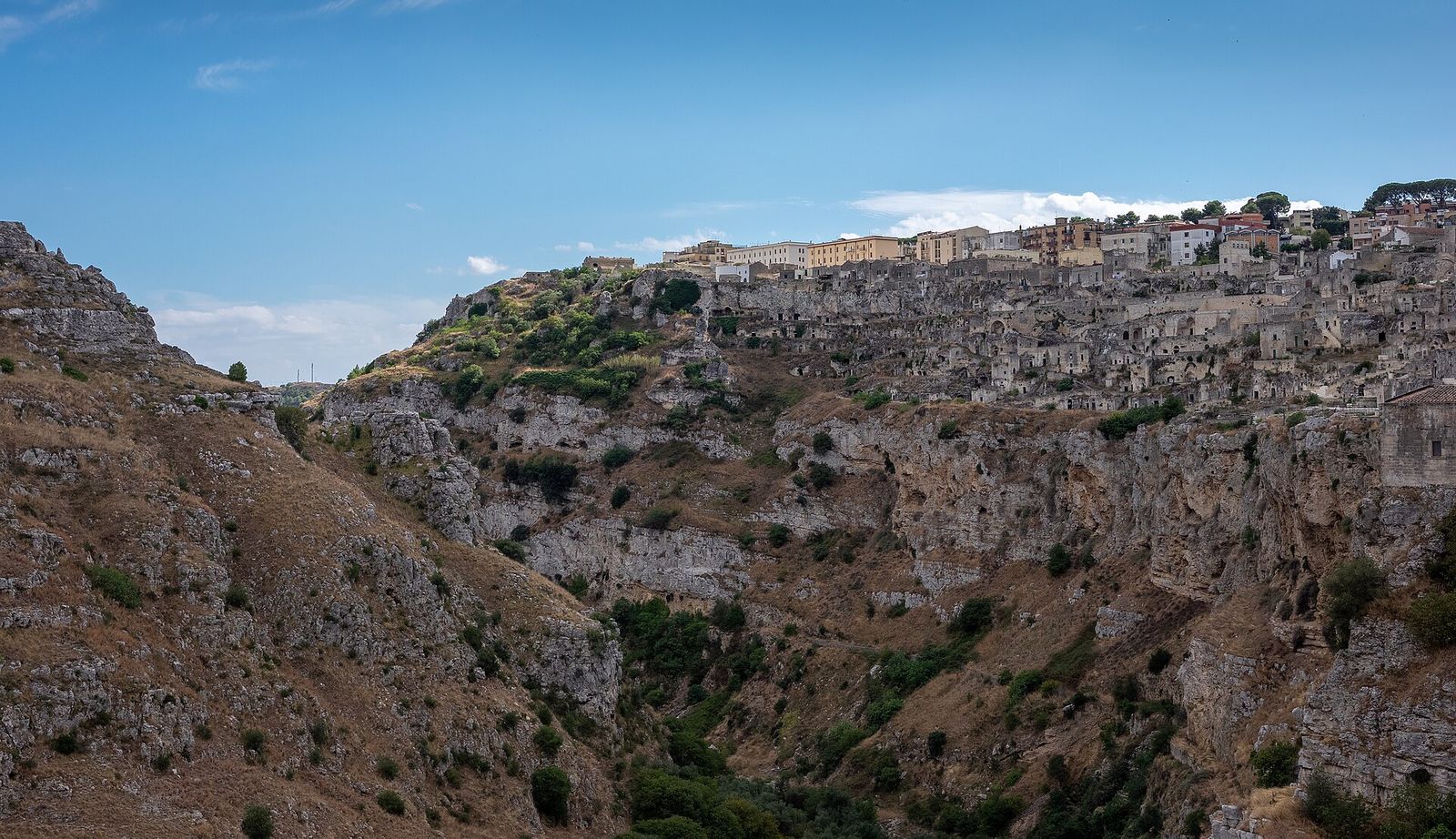
The historic centre is divided into two main districts. Sasso Barisano faces north west and is the more densely restored, with many of the hotels, restaurants and shops. Sasso Caveoso, to the south, feels a little older and rawer, with more abandoned caves and the striking rock church of Santa Maria de Idris perched on a crag. Between them rises the Civita, the high ground crowned by Matera's Romanesque cathedral, completed in the 13th century.
Below everything lies the Gravina, a dramatic canyon cut by the Gravina di Matera stream. Across the ravine is the Murgia Materana park, a rocky plateau dotted with rupestrian churches, small chapels carved and painted in the rock by monastic communities over many centuries. Looking back at the town from the Murgia at sunset is one of the great views of southern Italy.
From shame to World Heritage
The Sassi have not always been admired. By the mid 20th century, living conditions in the caves were extremely poor, with families and animals often sharing a single room and little sanitation. The writer Carlo Levi described the poverty of the area in "Christ Stopped at Eboli", and in the early 1950s the Italian state passed a law to move residents out to new housing districts. For years the Sassi stood largely empty.
Things changed slowly. Restoration began in earnest from the 1980s, and in 1993 "The Sassi and the Park of the Rupestrian Churches of Matera" was inscribed on the UNESCO World Heritage List. In 2019 Matera was a European Capital of Culture, which brought new attention and visitors. The town's journey from symbol of poverty to cultural destination is part of what makes staying here meaningful.
Sleeping in stone
Cave stays in Matera range from simple rooms in family run guesthouses to carefully restored boutique hotels. Many keep the original vaulted ceilings, rock walls and old water channels, and some have rooms that extend deep into the hillside. The best restorations are subtle, with soft lighting, natural materials and modern bathrooms that dont shout about themselves.
Cave rooms tend to be cool in summer and quiet at night, which is a gift after a hot day on the stone streets. They can also be a little darker than a typical hotel room, and some have limited windows. Humidity can be an issue in older or less well ventilated rooms, so recent guest feedback and the property's own descriptions are worth reading closely.
Steps, steps and more steps
Matera is not a flat town. The Sassi are a maze of staircases, alleys and ramps, and many guesthouses can only be reached on foot. Vehicle access in the historic centre is limited, and most of the Sassi is within a restricted traffic zone. Pack light if you can, or ask your accommodation in advance where to park and whether someone can help with bags. Its worth asking before arrival rather than discovering it with a heavy suitcase at 10 pm.
What to see
The best first step is simply to walk. Follow the panoramic paths that run along the edge of the Sassi, look down into the ravine, and let yourself get a little lost in the lanes. Viewpoints near Piazza Vittorio Veneto, the Belvedere di Piazza Pascoli and the steps near the cathedral give some of the most famous views.
Beyond the views, a few places help explain how the town worked:
Casa Grotta and cave life
Several small museums recreate a traditional cave home, with furniture, tools and the arrangement of living space shared between people and animals. They are modest but useful, and they make the history of the Sassi much more concrete than any description.
Rock churches and cisterns
Matera has many rupestrian churches, some with remains of medieval frescoes. Santa Maria de Idris and San Giovanni in Monterrone, linked to each other, are among the easiest to visit in the Sassi. The Palombaro Lungo, a vast underground cistern beneath Piazza Vittorio Veneto, shows how carefully the town collected and stored rainwater.
The Murgia
A footpath descends from Sasso Caveoso into the ravine and up the other side to the Murgia Materana. The walk is steep in places and there is little shade, but the views and the cave churches on the plateau are a strong reward. Go early in the day in summer and bring water.
Matera on screen
The Sassi have long been used as a stand in for ancient Jerusalem, most famously in Pier Paolo Pasolini's "The Gospel According to St. Matthew" and Mel Gibson's "The Passion of the Christ". More recently, the town appeared in the opening sequence of the James Bond film "No Time to Die". Some visitors arrive because of a film scene, which is fine, the real town is more interesting than any of them.
When to go
Spring and autumn, roughly April to June and September to October, are the most pleasant seasons for walking. Summer is hot, and the stone holds the heat into the evening, although cave rooms stay cooler. Winter is quieter and can be cold and damp, but the Sassi under a low winter light are hauntingly beautiful, and there are far fewer visitors. On 2 July the town celebrates its patron saint, the Madonna della Bruna, with a procession and the dramatic destruction of a decorated cart, which is one of the most important days in the local calendar.
Eating in Matera
The food of Basilicata is simple and generous. Look for pane di Matera, a large durum wheat bread with protected status, crusco peppers dried in the sun and fried until crisp, and cialledda, a peasant dish of stale bread, tomatoes and vegetables. Many restaurants in the Sassi are set in caves themselves, which makes dinner part of the experience.
Getting there
Matera does not have its own airport. The nearest major one is Bari, about an hour away by road. From Bari, the regional Ferrovie Appulo Lucane railway runs to Matera, and buses also connect the two cities. Matera does not have a station on the national Trenitalia network, which surprises some visitors, so check connections before you plan your trip. Driving gives the most flexibility for exploring Basilicata and Puglia, but remember the traffic restrictions in the old town.
Practical tips for a Sassi stay
- Choose Sasso Barisano for more restaurants and convenience, or Sasso Caveoso for a quieter, rawer atmosphere.
- Ask your guesthouse for walking directions and parking advice before you arrive, as many are hidden in stairways.
- Bring comfortable shoes with good grip. Limestone steps polished by centuries of feet can be slippery, specially after rain.
- See the Sassi at different times of day. Early morning and after dark, when the lights come on, the mood changes completely.
- Walk across to the Murgia for the classic view, but avoid the midday heat in summer.
- Check opening times for rock churches and small museums locally, as they can vary by season.
Questions travellers ask
Are cave rooms in Matera damp?
Well restored cave rooms are generally comfortable, but rock dwellings can feel humid in wet weather. Read the property's details and recent descriptions of ventilation before choosing.
Can I drive to my hotel in the Sassi?
Much of the Sassi is a restricted traffic zone with limited access. Ask your accommodation where to park and how to reach it on foot.
Is one day enough for Matera?
A day shows the highlights, but at least one night lets you see the Sassi lit up in the evening and quiet in the early morning, which many visitors find the best part.
Clifton Inn is an independent travel information website and does not take bookings. Details such as opening seasons and access can change, so please confirm current information with the relevant provider.
Related stories
Historic Hotels · 6 min read
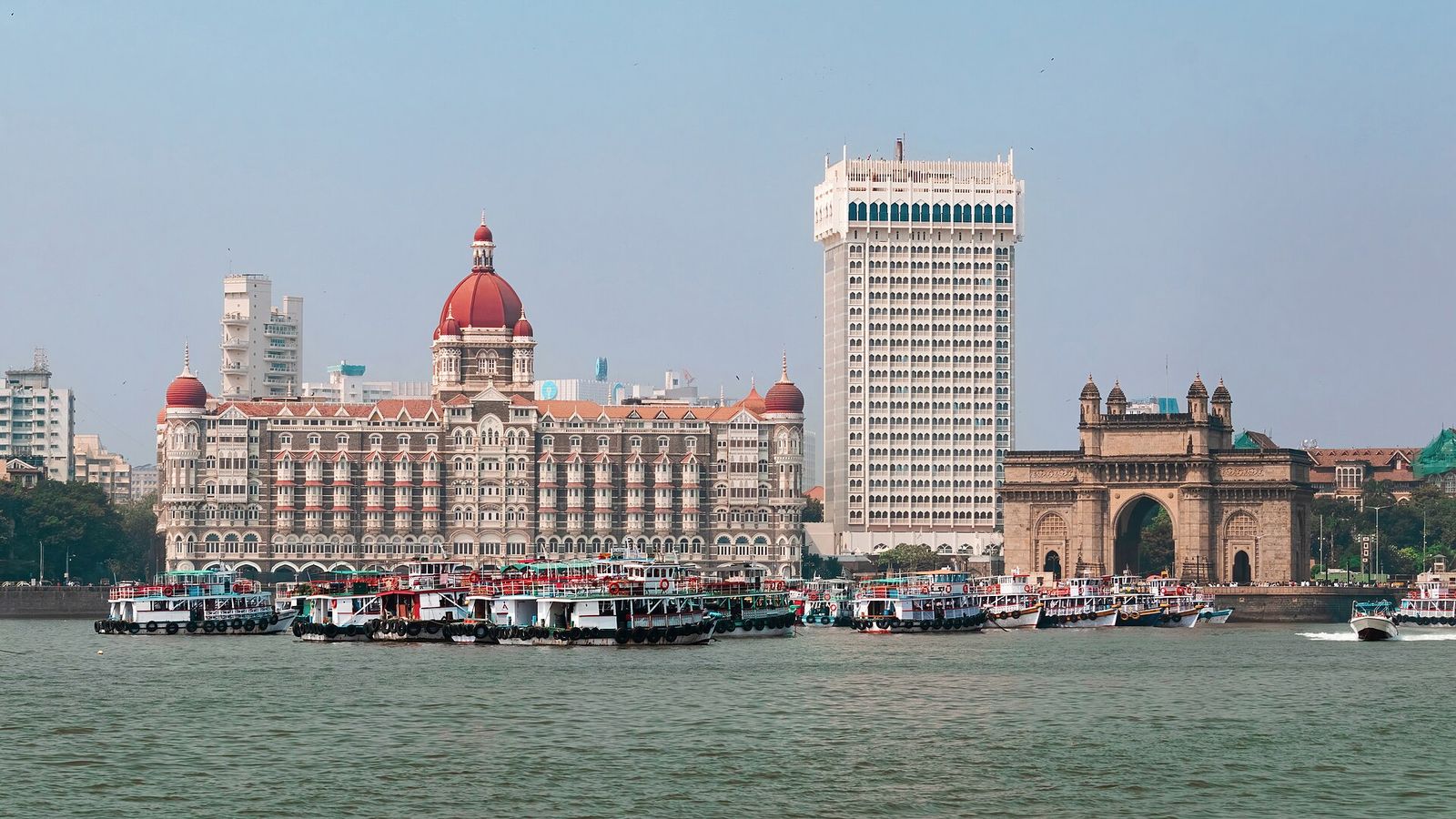
The Taj Mahal Palace and Mumbai's Waterfront
Mumbai, Maharashtra, India
Facing Mumbai Harbour near the Gateway of India, the Taj Mahal Palace is a landmark whose story is closely tied to the city's maritime edge.
Read More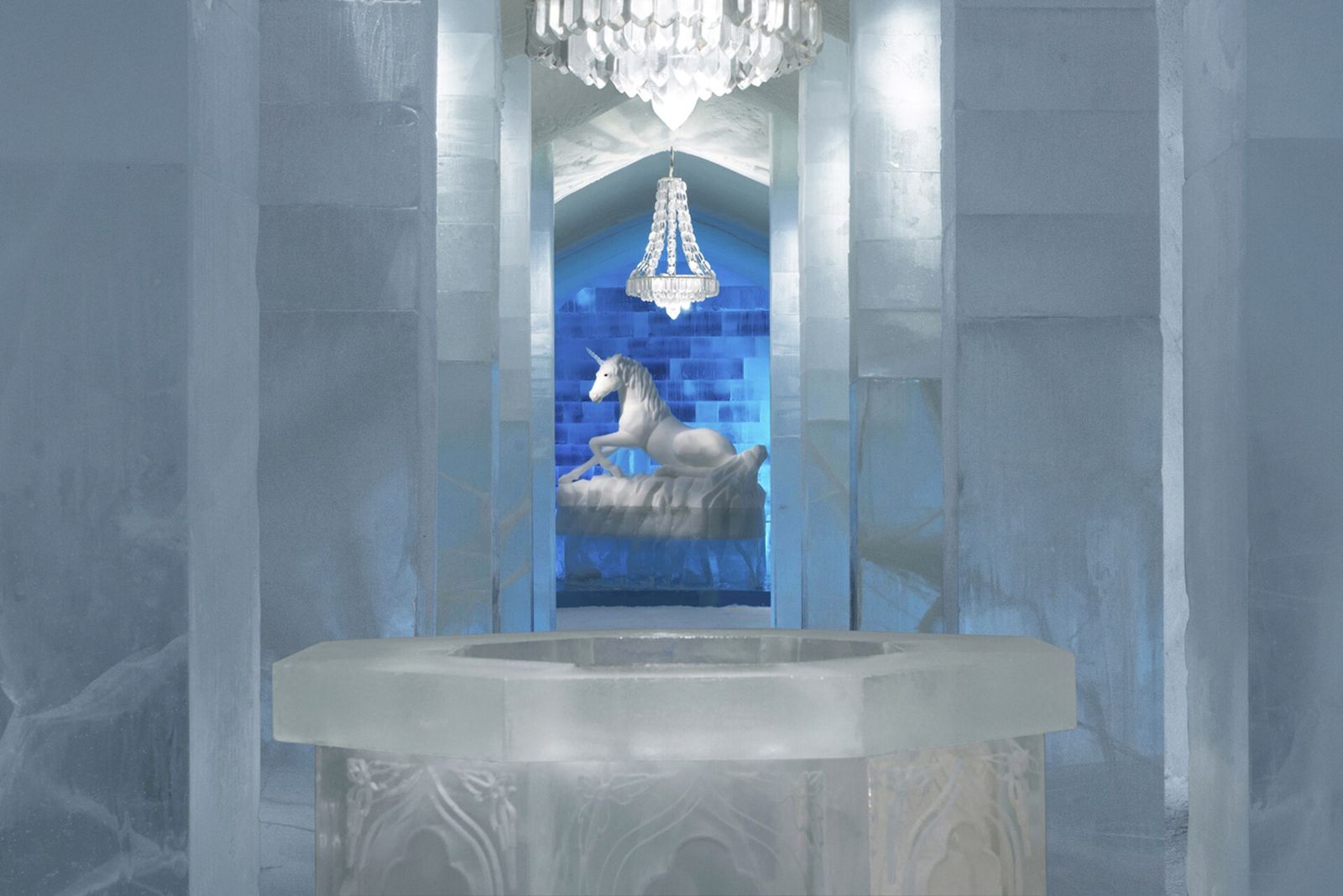
Extraordinary Stays · 7 min read
ICEHOTEL: A Hotel That Melts Back Into the River
Jukkasjärvi, Sweden
Rebuilt from Torne River ice every winter, ICEHOTEL in Swedish Lapland is part art gallery, part hotel and entirely seasonal.
Read More
Extraordinary Stays · 7 min read
Glass Igloos and Arctic Skies at Kakslauttanen
Saariselkä, Finnish Lapland
In Finnish Lapland, glass-roofed igloos near Saariselkä bring the winter sky into the room, with forest and fells all around.
Read More