Glass Igloos and Arctic Skies at Kakslauttanen
The glass igloo has become one of the defining images of Finnish Lapland. A warm little dome in the snow, a bed, and nothing between you and the sky except a curve of thermal glass. Kakslauttanen Arctic Resort, a short drive from the fell village of Saariselkä, was one of the first places to make this idea famous, and it is still one of the best known. Here is what the stay is actually like, and how to plan it sensibly.
Why a glass roof makes sense up here
Northern Finland lies beneath the auroral oval, the ring around the magnetic pole where the northern lights appear most often. In the long winter nights there are many hours of darkness during which the sky can suddenly come alive. Standing outside for hours at minus 25 is hard work. Lying under glass in a heated room, wrapped in a duvet, is considerably easier, and that simple comfort is the whole logic of the igloo.
The resort's glass igloos are heated, and the glass is designed to stay clear of frost and snow so the view stays open. Some are small and simple, really just a bed and a bathroom under the dome. Others, sometimes called kelo glass igloos, combine a glass section with a log cabin built from kelo, the silver grey pine that has dried naturally while still standing in the forest. These have more space and more privacy.
When the lights do not appear
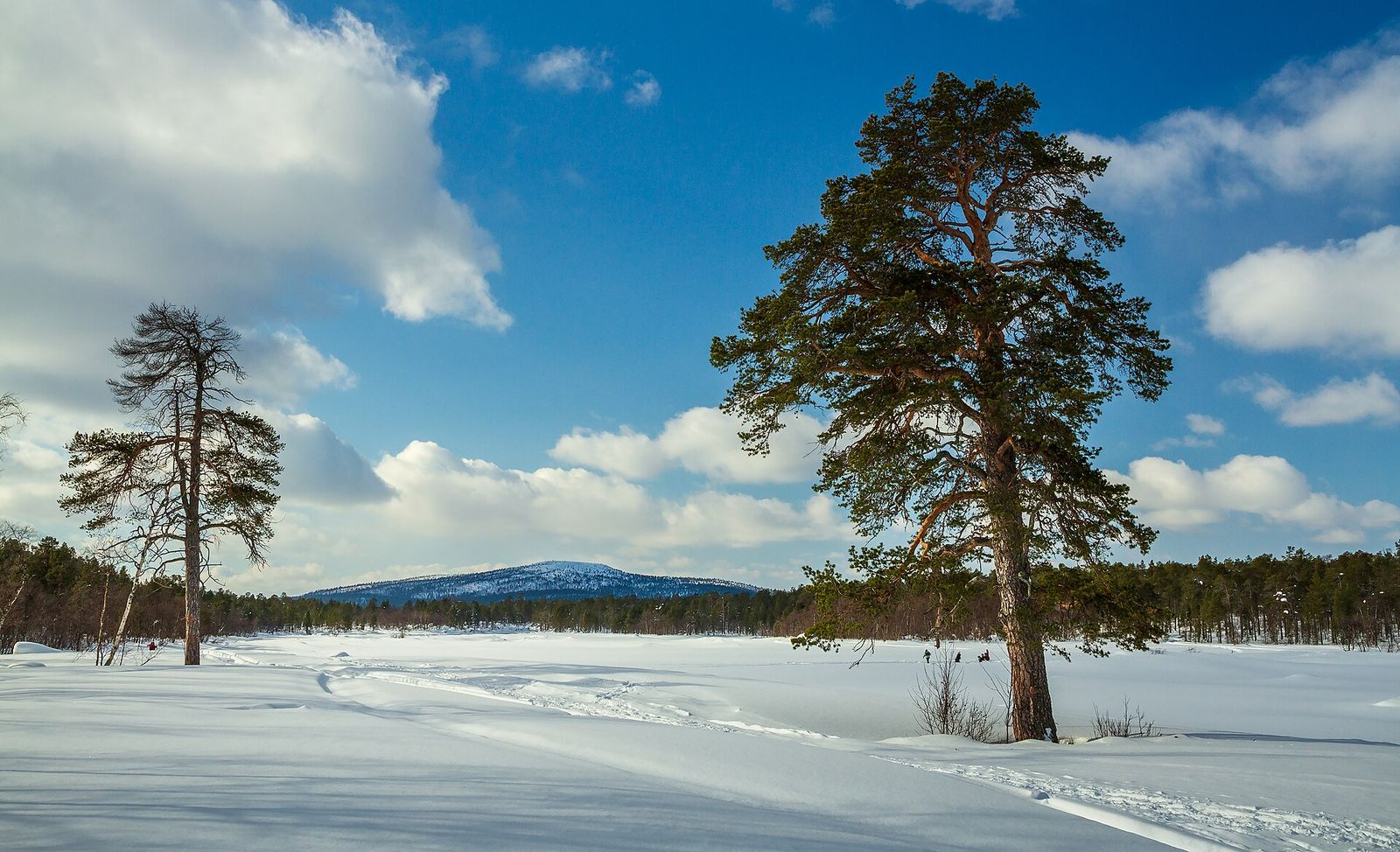
It happens. Cloud rolls in, snow falls, solar activity is low. Even then the setting has a quiet drama of its own: pines heavy with snow, a deep star filled sky on clear nights, and the blue light of the polar day. A lot of guests say the stillness surprised them more than the aurora did.
Beyond the igloos
Kakslauttanen is a large resort, not just a field of domes. There are traditional log cabins and chalets, some with their own sauna and fireplace, which work well for families or for anyone staying longer than a night or two. The resort is roughly divided into an East Village and a West Village, with restaurants and activity bases in each, so it is worth checking where your accommodation is before you arrive.
Saunas are an essential part of the experience in Finland, and the resort has several, including a traditional smoke sauna. If you have never tried one, a smoke sauna is heated for hours with a wood fire and then aired, leaving a soft, smoky heat that feels very different from an electric sauna. Rolling in the snow afterwards is optional, though strongly encouraged by locals.
Saariselkä and Urho Kekkonen National Park
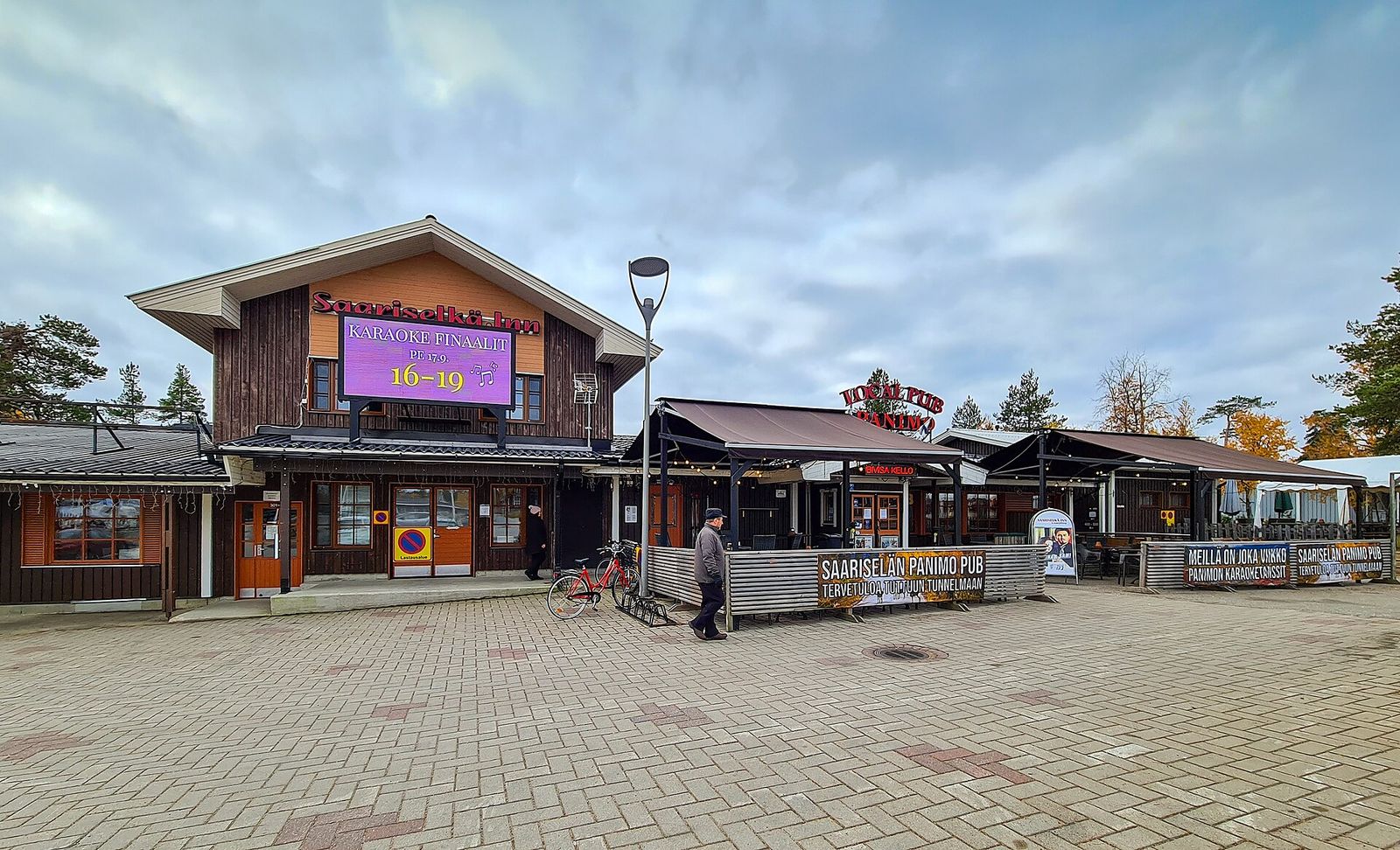
Saariselkä is a small resort village in the municipality of Inari, the largest municipality in Finland by area and an important centre of Sámi culture. The village has shops, cafés, restaurants and a modest ski area on the rounded fells. More importantly, it is the gateway to Urho Kekkonen National Park, established in 1983 and one of the largest protected areas in the country, with open fells, old forests and long wilderness hiking routes.
In winter, the area offers groomed cross-country ski trails, snowshoe routes and husky or reindeer safaris run by local operators. In summer, the same landscape turns into hiking country, with long days under the midnight sun, berries in late summer and the bright colours of ruska, the Lapland autumn, usually around September. Many visitors only know the winter. The autumn is quietly wonderful.
Learning about Sámi culture
The village of Inari, about an hour's drive north, is home to Siida, the national museum of the Finnish Sámi and a nature centre for northern Lapland. It reopened in 2022 after a large renovation and gives real context about Sámi history, language, reindeer herding and the environment of the far north. Nearby is Sajos, the Sámi cultural and administrative centre and home of the Sámi Parliament in Finland. Spending half a day here adds depth that a quick postcard tour of Lapland never will.
Getting there
Ivalo Airport is the nearest airport, around half an hour by road from the resort, with flights from Helsinki throughout the year and extra seasonal routes in winter. Airport buses usually connect with arrivals and stop in Saariselkä. Some travellers prefer to take the overnight train from Helsinki to Rovaniemi and continue north by bus, which takes longer but breaks up the journey nicely.
Driving yourself is possible, but winter roads in Lapland are snow covered for months and reindeer wander onto them often. If you hire a car, drive slower than you think you need to, and expect to stop for animals.
When to go
The aurora season runs roughly from late August to April, whenever the nights are dark enough. Around December and early January comes kaamos, the polar night, when the sun barely rises or does not rise at all in this part of Lapland. It is atmospheric, very cold and very short on daylight. From February into March the days get noticeably longer while nights still stay dark for aurora watching, and this is often a comfortable compromise. Late August and September have the advantage of milder temperatures and reflections of the aurora on unfrozen lakes, if you are lucky.
Christmas and New Year are among the busiest periods, so igloo availability can be limited and the resort more lively. If you want quiet, the shoulder months are usually better.
Food and evenings at the resort
Evenings at Kakslauttanen tend to be slow. Dinner is usually eaten at one of the resort restaurants, where Lapland ingredients such as reindeer, Arctic char, mushrooms and lingonberries appear often on menus. There is not much nightlife nearby, and that suits most guests fine. After eating, the usual routine is a sauna, a walk on the snowy paths if the sky is clear, and then back to the igloo to watch and wait. Saariselkä village has a few more restaurants and bars for anyone who wants a change of scene for a night.
Practical tips for a glass igloo stay
- Plan at least two or three nights in the area. One night under glass is a gamble with the weather, several nights improve your odds a lot.
- Use an aurora alert app or the local forecast, and set an alarm for the early hours. Strong displays often happen between 10 pm and 2 am, though they can appear at any time.
- Dim every light inside the igloo, including phone screens. Reflections on the glass make faint auroras much harder to see.
- Pack real winter gear: thermal base layers, a warm hat, mittens rather than thin gloves, and insulated boots. Activity providers often lend overalls, but check before you go.
- Bring a small tripod if you want photos. Handheld shots of the aurora at night rarely work.
- Check room types, bathroom arrangements and current seasonal details on the official resort website, as they differ between igloo categories.
Setting expectations
The glass roof is a window, not a promise. No hotel can switch on the aurora, and anyone who tells you otherwise is selling something. What the igloo does offer is a warm, comfortable seat for watching the sky, in one of the best regions on earth for it. Add saunas, snow, silent forests and the strange novelty of falling asleep under an open sky, and the stay tends to be memorable either way.
Questions travellers ask
Does the glass in the igloos freeze over or get covered in snow?
The glass igloos are heated and designed to stay clear of frost and snow so the sky remains visible, though heavy snowfall or cloud can still limit what you see.
Are glass igloos suitable for families?
Larger options such as the kelo glass igloos or the log cabins with more space usually suit families better than the smallest domes. Compare room sizes on the official website.
Can I see the northern lights at Kakslauttanen in September?
Yes, it is possible from late August once nights are dark enough. Weather and solar activity decide whether they appear.
Clifton Inn is an independent travel information website and does not take bookings. Details such as opening seasons and access can change, so please confirm current information with the relevant provider.
Related stories
Hidden Retreats · 7 min read
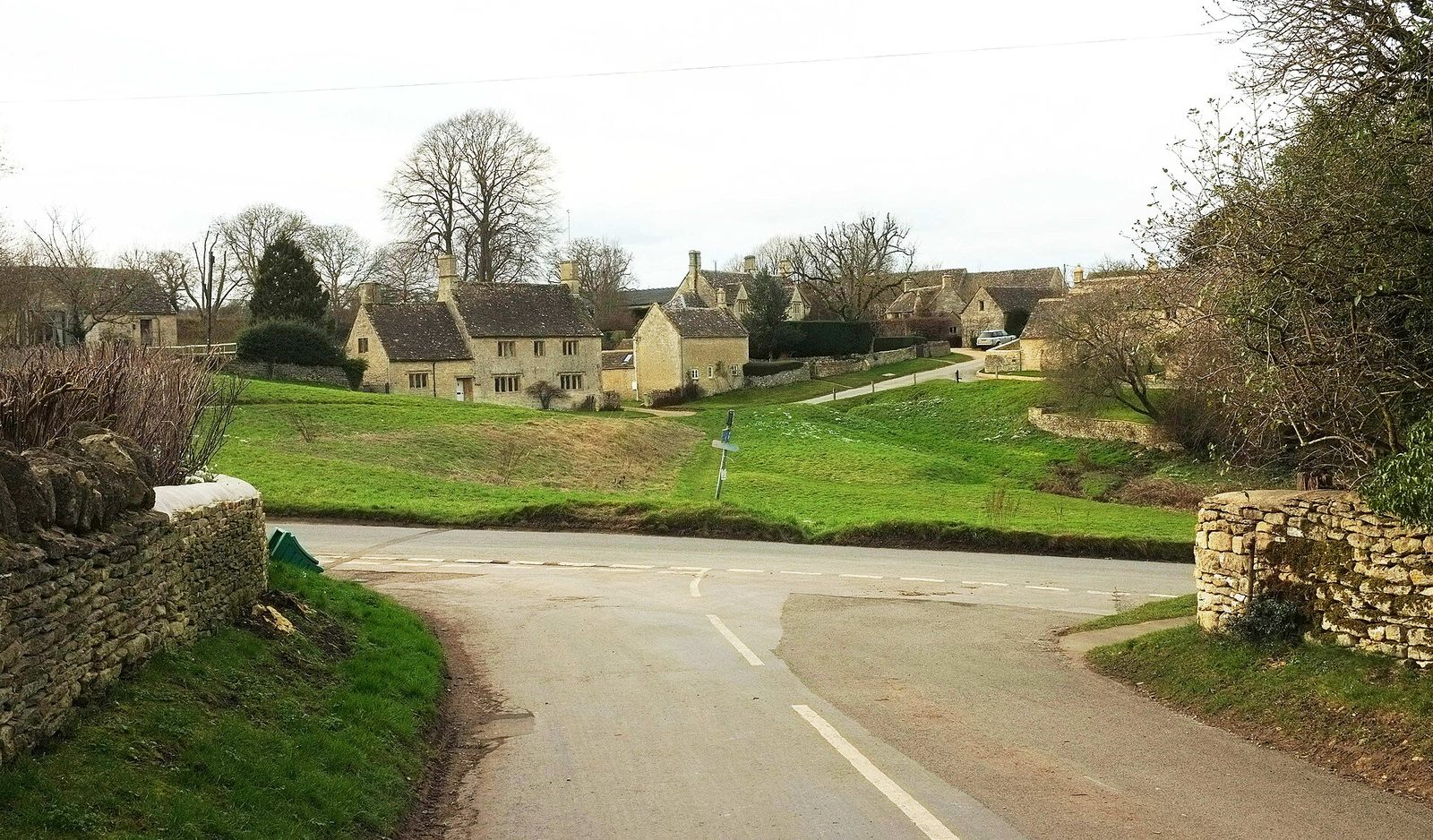
Cottages and Countryside Stays in the Cotswolds
Cotswolds, England
A Cotswolds cottage makes a restful base for village walks, market towns and gentle days in England's rural heartland.
Read More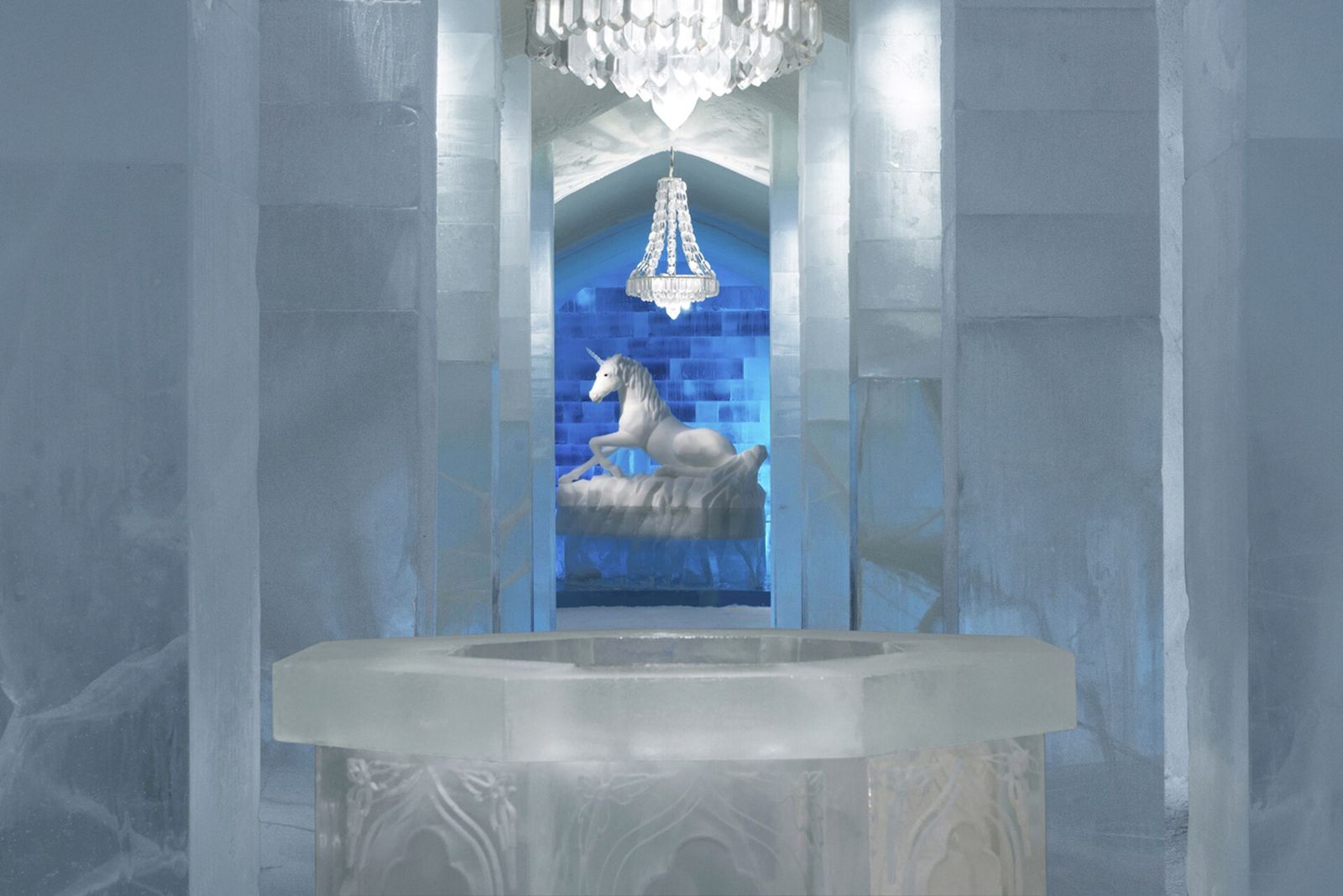
Extraordinary Stays · 7 min read
ICEHOTEL: A Hotel That Melts Back Into the River
Jukkasjärvi, Sweden
Rebuilt from Torne River ice every winter, ICEHOTEL in Swedish Lapland is part art gallery, part hotel and entirely seasonal.
Read More
Extraordinary Stays · 7 min read
Göreme's Cave Hotels in the Heart of Cappadocia
Göreme, Cappadocia, Turkey
In Göreme, rooms carved into soft volcanic rock carry on a long tradition of cave dwelling amid Cappadocia's fairy chimneys.
Read More