The Taj Mahal Palace and Mumbai's Waterfront
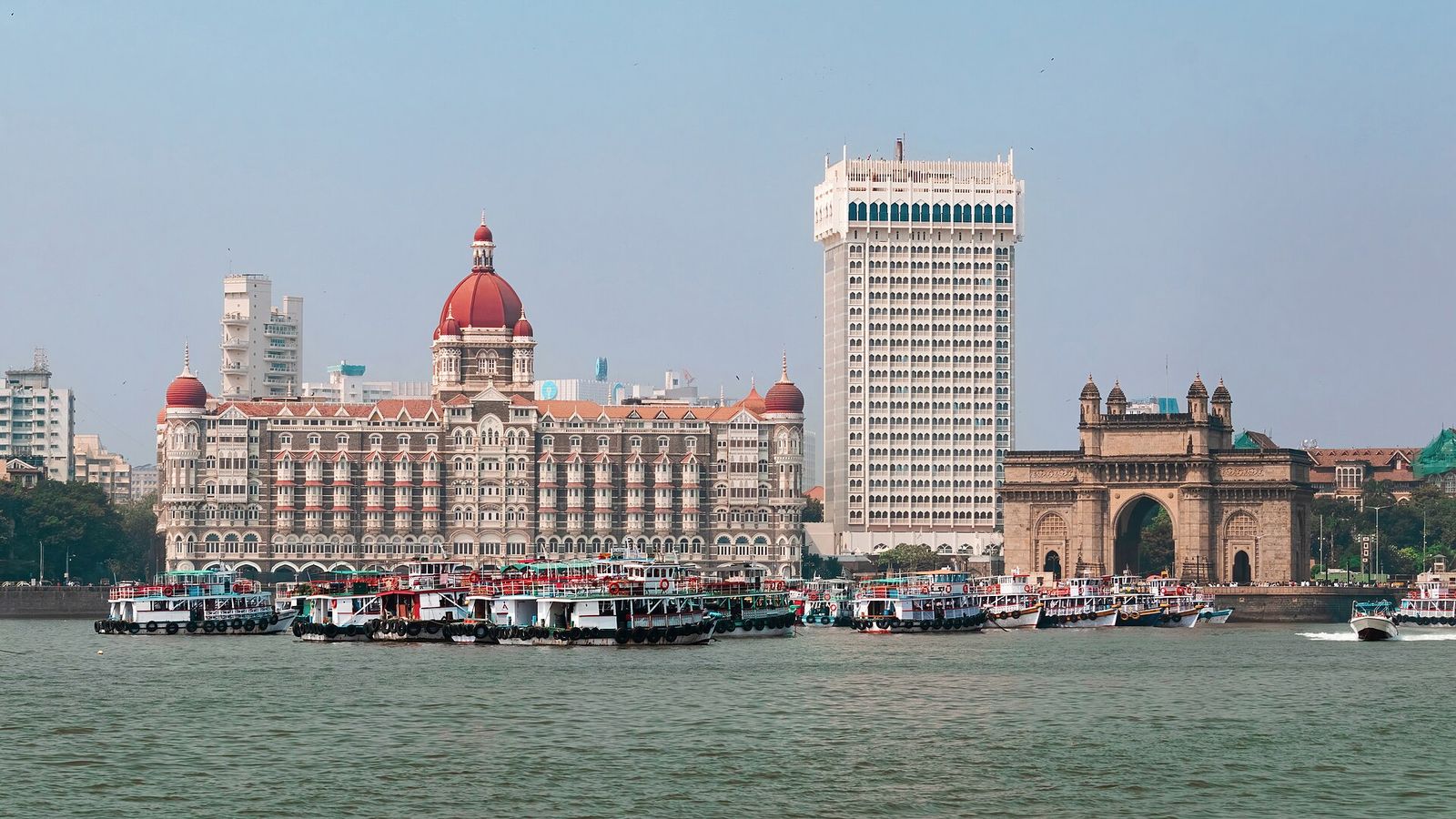
Mumbai's southern waterfront never really stops moving. Ferries cross the harbor, horns blare along the roads of Colaba, families gather by the Gateway of India and the sea glitters behind it all. Right at the center of this scene stands the Taj Mahal Palace, a grand hotel that opened in 1903 and has become one of the city's most famous buildings. Staying or simply spending time around it is a way to see how Mumbai's past and present sit side by side.
A landmark beside the harbor
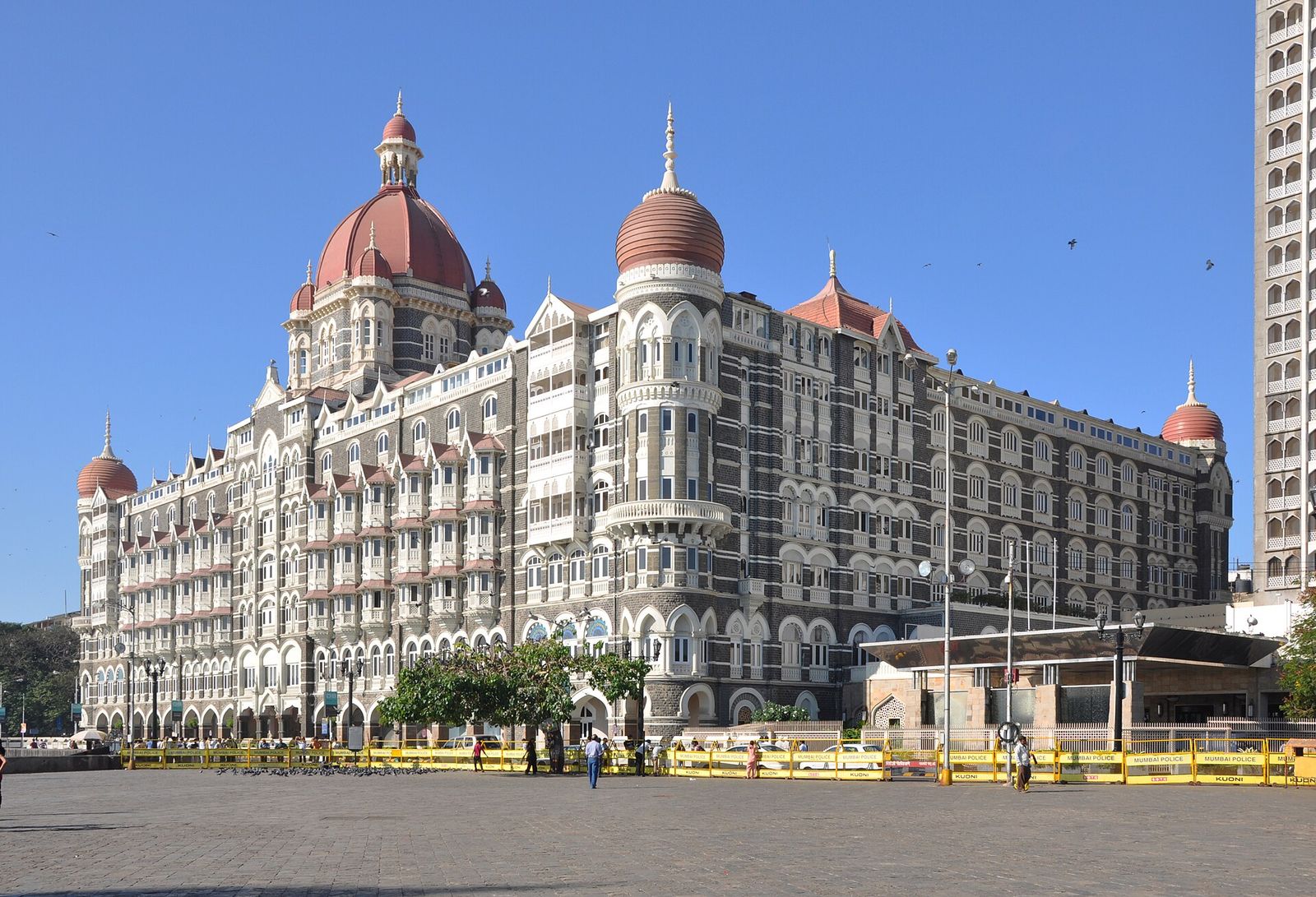
The hotel was built by Jamsetji Nusserwanji Tata, the industrialist who founded what became the Tata Group. It opened in December 1903, before the Gateway of India was even built. Its design mixes several styles, including Indo Saracenic, Moorish and European influences, and its famous red domed roofline is a key part of the city skyline. Inside, a grand staircase and long corridors lead to rooms looking over the harbor or the city.
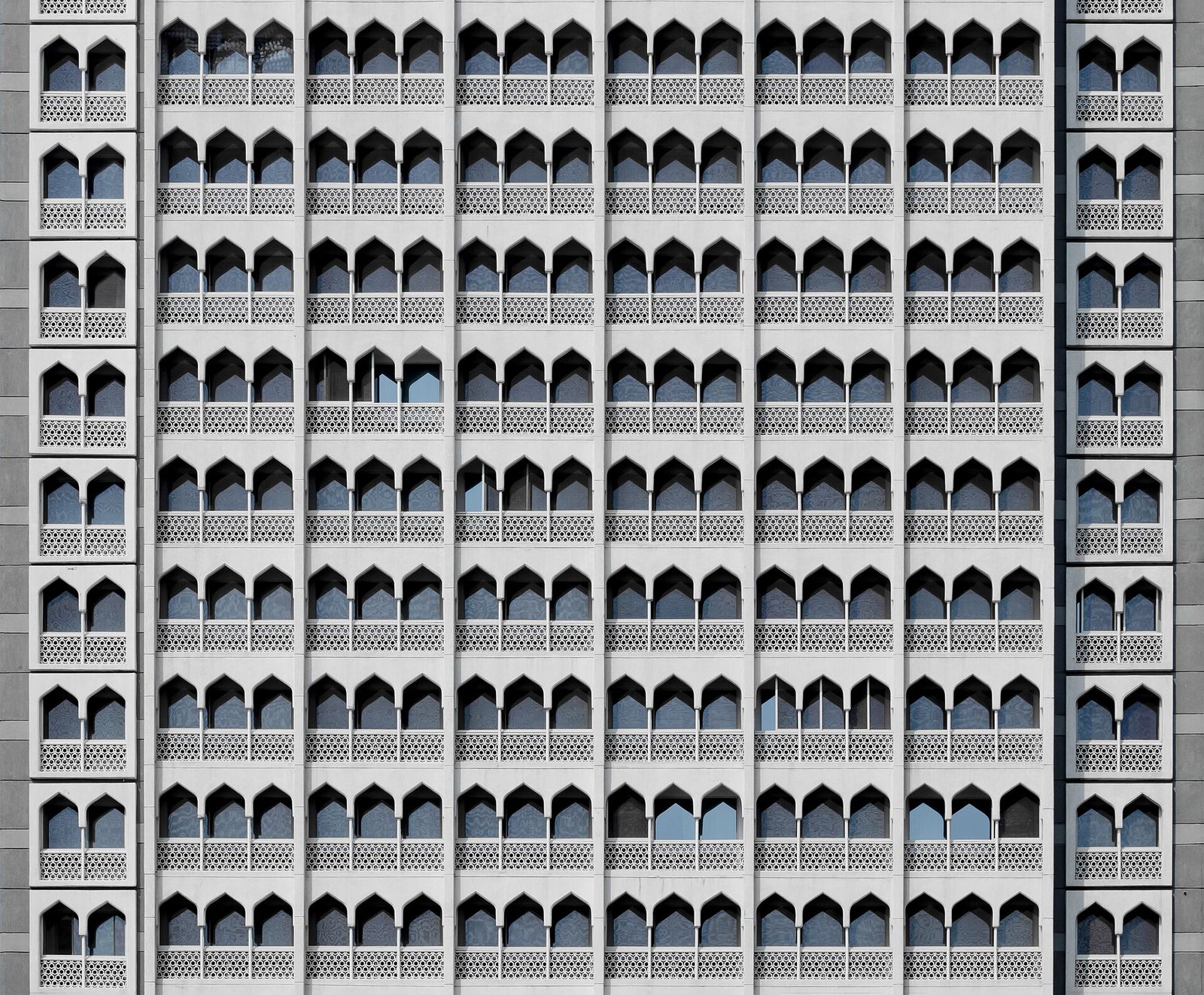
In 1973 the Taj Mahal Tower, a modern high rise wing, was added next to the original palace building. Together they form a single hotel, though the experience of staying in the historic wing and the tower is different. The palace wing has more heritage character, while the tower offers sweeping views over the harbor and the Gateway.
Resilience and memory
On 26 November 2008, the hotel was one of several places in Mumbai attacked by terrorists, and many people were killed in the city during those days. The hotel was badly damaged. It was restored and reopened, and a memorial inside honors those who lost their lives. For many residents, the hotel's reopening became a symbol of the city's resilience. It is worth approaching this part of the story with respect if you visit.
The Gateway of India
Just across the road is the Gateway of India, a basalt arch completed in 1924 to commemorate the 1911 visit of King George V and Queen Mary. Ironically, it later became the place from which the last British troops left India in 1948. Today it is a gathering point for families, tourists, photographers and street vendors, and it is especially atmospheric in the early morning and at sunset.
Ferries to Elephanta
Boats leave from near the Gateway for Elephanta Island, home to the Elephanta Caves, a UNESCO World Heritage Site. The rock cut cave temples are dedicated mainly to Shiva and include remarkable carvings, including the large three headed Trimurti sculpture. The crossing takes about an hour each way. The caves are typically closed on Mondays, and ferries can be affected by weather during the monsoon, so check before you go.
Exploring Colaba and South Mumbai
The neighborhood around the hotel is one of the city's most walkable. Colaba Causeway is a lively street of shops, stalls and cafés. A short walk north brings you to Kala Ghoda, the city's arts district, with galleries, the David Sassoon Library and the Kala Ghoda Arts Festival, usually held in February.
Museums and architecture
The Chhatrapati Shivaji Maharaj Vastu Sangrahalaya, formerly the Prince of Wales Museum, is one of India's major museums, with collections of sculpture, miniature paintings and decorative arts. Further north, Chhatrapati Shivaji Maharaj Terminus, the grand Victorian Gothic railway station, is a UNESCO World Heritage Site in its own right. In 2018 the Victorian Gothic and Art Deco Ensembles of Mumbai were also inscribed, recognizing the buildings around the Oval Maidan and along Marine Drive.
Marine Drive
Marine Drive curves along the shoreline of Back Bay, lined with Art Deco buildings. In the evening locals walk, jog and sit on the sea wall, and the lights along the bay have earned it the nickname "the Queen's Necklace". It is a simple, free experience that tells you a lot about how Mumbaikars use their city.
Food around the waterfront
South Mumbai is a fine place to eat. Within easy reach of the hotel, you can find Parsi cafés, seafood restaurants serving Konkan coast dishes, and street food such as pav bhaji, bhel puri and vada pav. Irani cafés, a fading but still loved part of the city's culture, serve chai, bun maska and simple meals. When eating street food, choose busy stalls where food is cooked fresh in front of you.
Inside the palace wing
Even if you are not staying, the hotel's public spaces are worth a careful look, subject to security checks at the door. The palace wing is known for its sweeping central staircase, rising beneath a high dome, and for corridors lined with art and antiques collected over the decades. Several restaurants and a famous tea lounge sit on the ground floor, and many visitors come simply for afternoon tea with a view of the harbor. The Sea Lounge, overlooking the Gateway, has long been a meeting place for Mumbai families and business people, and on a busy afternoon you can sense how deeply the hotel is woven into the social life of the city.
Walking the streets around
Step back outside and the contrast is immediate. Within a few minutes walk you pass fruit sellers, old apartment blocks with wooden balconies, small temples and taxi stands where black and yellow Premier Padmini cabs once ruled, they have mostly been replaced now by newer models. Its this mix, grandeur and street life pressed together, that makes the waterfront so compelling.
When to go
The most comfortable time to visit Mumbai is generally from November to February, when the weather is drier and slightly cooler, though still warm. March to May gets hotter and more humid. The southwest monsoon usually arrives in June and lasts until around September, bringing heavy rain, occasional flooding and rough seas, which can affect ferries and travel plans. Some travelers love the monsoon drama, but it does make sightseeing harder.
Festivals can also shape a trip. Ganesh Chaturthi, usually in August or September, fills the city with processions and immersions of Ganesha idols in the sea, and Diwali in October or November lights up streets and homes. Both are wonderful to see but bring crowds and traffic. Plan around them if you prefer a calmer visit.
Getting there and around
Chhatrapati Shivaji Maharaj International Airport is Mumbai's main airport. The drive to Colaba can take around an hour or considerably longer in heavy traffic, though the coastal road and sea link have changed some routes. Pre paid taxis and app based ride services are widely used. Within South Mumbai, walking and short taxi rides are often the easiest way to get around. Local trains are an experience in themselves, but they are extremely crowded at rush hour.
Practical tips for a stay at the Taj Mahal Palace
- Ask whether your room is in the historic palace wing or the tower if that matters to you. The feel of the two is quite different.
- Expect security checks at the entrance, which have been a normal part of arrival since 2008.
- Visit the Gateway of India early in the morning, before the crowds and the heat build up.
- Plan an Elephanta trip for any day except Monday, and check ferry times locally.
- Dress modestly when visiting temples or religious sites, covering shoulders and knees.
- Allow extra time for any road journey, especially to and from the airport.
Questions travellers ask
When did the Taj Mahal Palace open?
The hotel opened in December 1903, about two decades before the Gateway of India was completed next to it.
Can I visit the Elephanta Caves from the hotel?
Yes. Ferries leave from near the Gateway of India, a short walk away. The caves are usually closed on Mondays.
What is the best season for a Mumbai trip?
November to February is usually the most comfortable. The monsoon, roughly June to September, brings heavy rain.
Clifton Inn is an independent travel information website and does not take bookings. Details such as opening seasons and access can change, so please confirm current information with the relevant provider.
Related stories
Extraordinary Stays · 7 min read
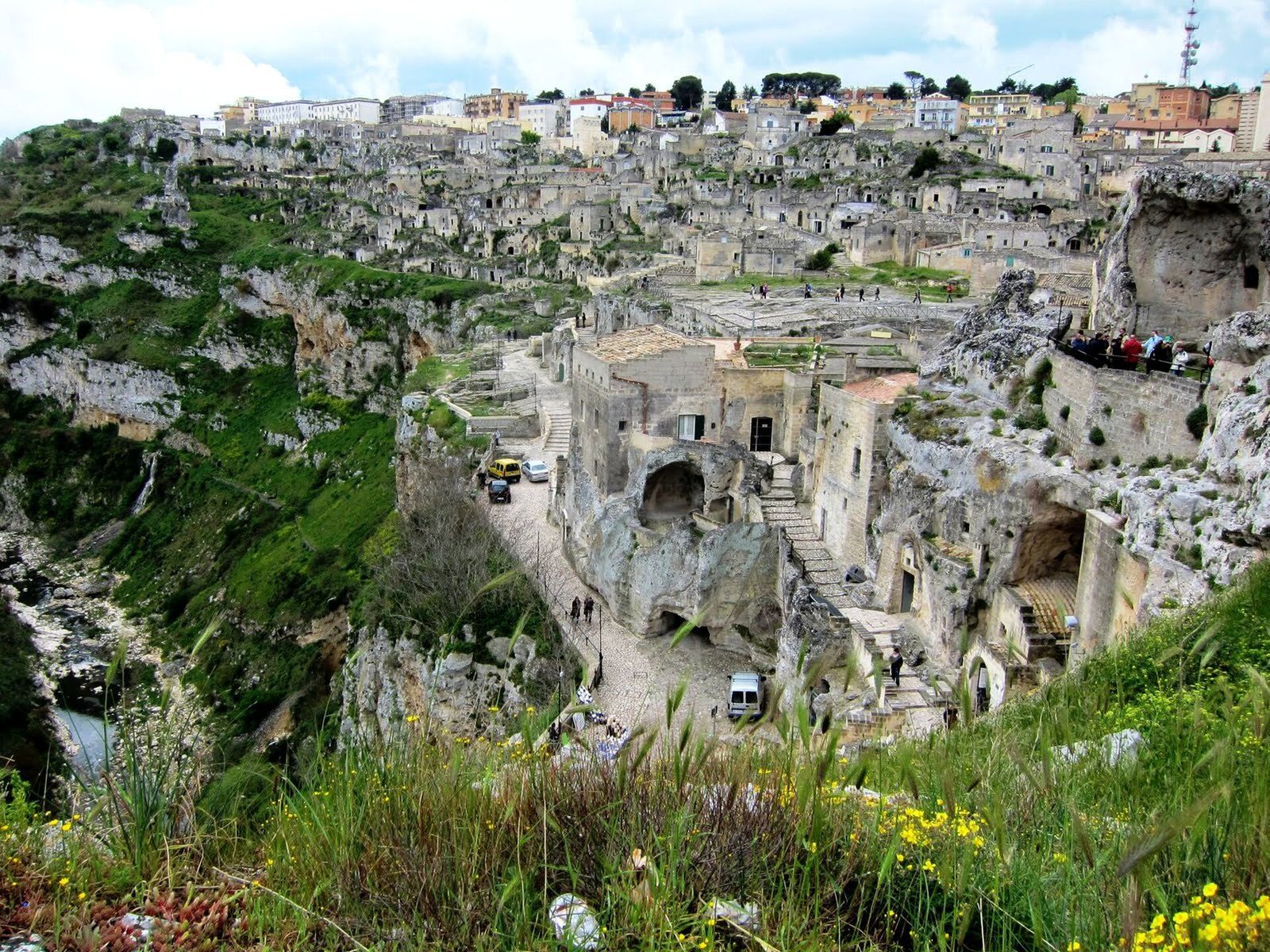
Sleeping in Stone: The Sassi of Matera
Matera, Basilicata, Italy
Once abandoned, Matera's ancient cave districts are now home to guesthouses and hotels set inside rooms carved from the rock.
Read More
Historic Hotels · 7 min read
Ashford Castle: A Lakeside Landmark in County Mayo
Cong, County Mayo, Ireland
Set beside Lough Corrib near Cong, Ashford Castle combines a long Irish history with access to woodland, water and village life.
Read More
Historic Hotels · 7 min read
Raffles Hotel: A Historic Address in Singapore
Singapore
Raffles Hotel links Singapore's colonial-era streetscape with the city's modern center, offering a historic landmark to explore from the outside in.
Read More