Cottages and Countryside Stays in the Cotswolds
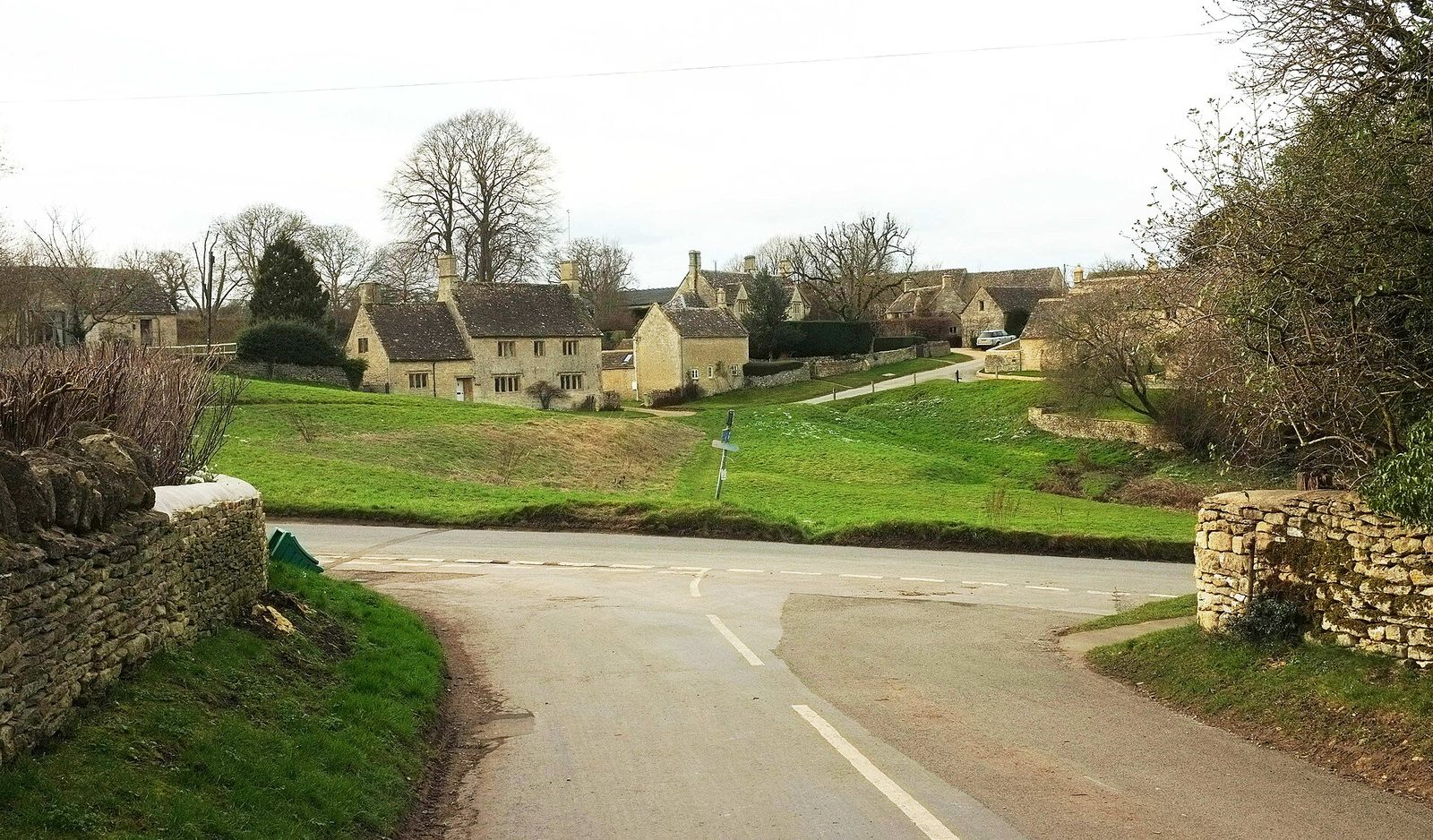
The Cotswolds look almost too good to be true. Honey coloured stone villages, steep pitched roofs, churches built on the wealth of medieval wool and rolling fields bordered by dry stone walls spread across a large area of south central England. It is a landscape made for slow travel, and one of the best ways to enjoy it is from a cottage or small country inn, where you can walk out of the door and straight into the countryside.
A landscape of stone and sheep
The Cotswolds stretch across parts of several counties, mainly Gloucestershire and Oxfordshire, with edges in Wiltshire, Somerset, Warwickshire and Worcestershire. The area was designated an Area of Outstanding Natural Beauty in 1966 and is one of the largest protected landscapes in England. In 2023 these areas were rebranded as National Landscapes, so you may now see it described as the Cotswolds National Landscape.
The defining material is Cotswold stone, a Jurassic oolitic limestone that ranges from pale cream in the south to deep golden in the north. It is used for houses, barns, walls and even roof tiles, which is why the villages look so harmonious. Many of them grew wealthy in the Middle Ages through the wool trade. Cotswold sheep, with their long fleeces, were famous across Europe, and merchants poured their profits into large parish churches, still known today as wool churches.
Why it feels so preserved
Several factors kept the Cotswolds looking the way they do. The decline of the wool trade left many villages relatively poor for centuries, which meant there was little money to rebuild them. Later, planning rules and conservation areas protected their character. The result is a region where much of the historic fabric survives, though it is very much a living place, with farms, schools and commuters as well as visitors.
Choosing a cottage stay
Cottages in the Cotswolds range from tiny one bedroom places tucked behind village streets to larger farmhouses and converted barns suitable for families or groups. Many are listed buildings, which gives them character but also quirks: low beams, narrow staircases, small windows and uneven floors. If anyone in your group is very tall or has limited mobility, its worth asking about these details before you choose.
Country inns and pubs with rooms are another classic option. They often combine a few bedrooms above a traditional pub with a dining room serving local food, and they can be a lovely base for a walking holiday. In quieter villages, the pub may be the social heart of the community, so expect to share it with locals.
Self catering or not
A self catering cottage gives you space and flexibility, and is great for longer stays. Many villages have small shops and farm shops, while larger towns such as Cirencester, Stow on the Wold and Chipping Norton have supermarkets. On the other hand, an inn takes care of breakfast and dinner, which is a relief after a long day on foot. Some travellers mix both, starting with a few nights in an inn and then moving to a cottage.
Villages worth knowing
Every visitor has their favourite, and the less famous villages are often the most rewarding. Still, a few names come up again and again.
Bibury
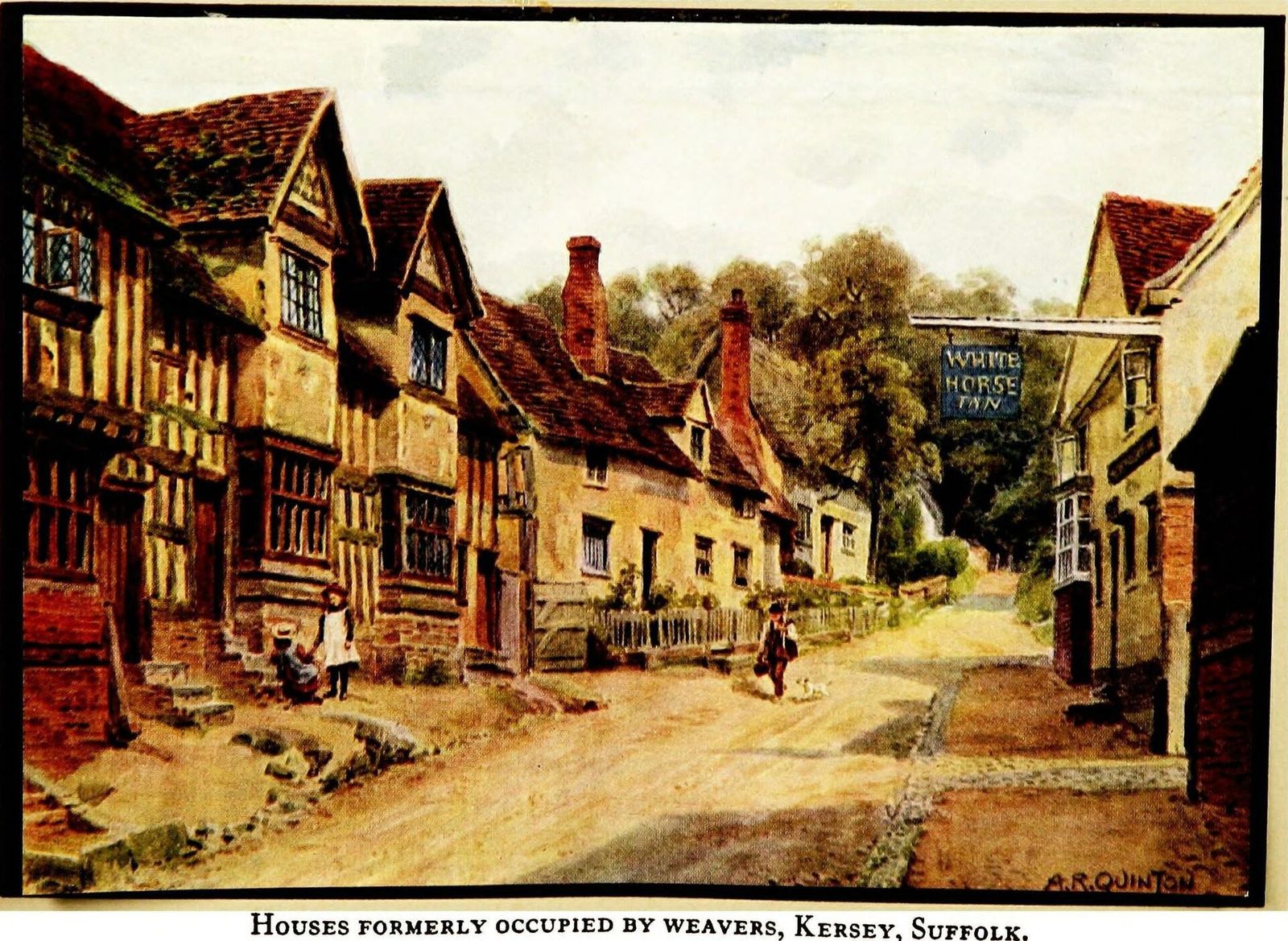
Bibury is known for Arlington Row, a terrace of 17th century weavers' cottages beside a water meadow. It is extremely popular and can be busy, particularly at weekends, so an early morning visit is much more peaceful.
Bourton on the Water and Stow on the Wold
Bourton on the Water, with low stone bridges over the River Windrush, is lively and family friendly. Nearby Stow on the Wold, on a hilltop, has a large market square, antique shops and a famous church door framed by ancient yew trees.
Chipping Campden
In the north, Chipping Campden has one of the finest high streets in the region, lined with golden stone buildings and a historic market hall from the 17th century. It is also the starting point of the Cotswold Way.
Castle Combe
On the southern edge, Castle Combe in Wiltshire is often described as one of England's prettiest villages. It has appeared in films and television, and like Bibury it is best seen early or late, when day visitors have gone.
Walking the Cotswolds
The Cotswolds are criss crossed with public footpaths and bridleways, and walking is the best way to understand the landscape. The Cotswold Way, a National Trail of around 102 miles, runs along the western escarpment from Chipping Campden to Bath, with wide views over the Severn Vale. Many walkers do short sections rather than the whole route.
Shorter circular walks start from almost every village, linking churches, pubs and viewpoints. Ordnance Survey maps or reliable walking apps help a lot, as paths cross fields and private farmland.
The Countryside Code
When walking, follow the Countryside Code: close gates you open, keep dogs under control around livestock, take litter home and stay on public rights of way. Fields may contain cows with calves or ewes with lambs in spring. Give them space, and if cattle approach, move calmly away.
Gardens, houses and market towns
The Cotswolds are rich in historic houses and gardens. Hidcote, a celebrated Arts and Crafts garden near Chipping Campden, is cared for by the National Trust, and Blenheim Palace, a UNESCO World Heritage Site and the birthplace of Winston Churchill, sits on the eastern edge near Woodstock. Sudeley Castle near Winchcombe is linked to Katherine Parr, the last wife of Henry VIII, who is buried in its chapel. Market towns like Cirencester, once the Roman town of Corinium, and Tetbury, are good for a rainy day with their independent shops, museums and cafés. Opening times change through the seasons, so check before visiting, specially in winter.
When to go
Each season has its appeal. Spring brings lambs, wildflowers and fresh green fields. Summer is warm and busy, with long evenings and outdoor events, but popular villages can be crowded. Autumn brings golden light and colouring woodland, often with fewer visitors. Winter is quiet, sometimes muddy, but very atmospheric, with log fires in pubs and frost on the fields. English weather is changeable at any time of year, so pack waterproofs regardless.
Getting there
Trains from London Paddington serve several Cotswold stations, including Moreton in Marsh, Kingham, Charlbury and Kemble, with journeys typically taking around an hour and a half. Cheltenham, Bath and Oxford are good gateways on the edges of the region. Local buses connect some villages, though services can be infrequent, especially on Sundays.
A car offers the most flexibility, but country lanes are narrow and parking in popular villages can be difficult. Some visitors combine train travel with taxis, walking and the occasional bus, which works well if your base is close to a station.
Practical tips for a Cotswolds cottage stay
- Check whether parking is included with your cottage, as village streets often have very limited space.
- Ask about low beams and steep stairs in older listed properties.
- Book popular pubs for dinner in advance, especially on Friday and Saturday evenings.
- Visit honeypot villages like Bibury and Castle Combe early in the morning or in the evening.
- Pack waterproof boots. Footpaths across fields can be muddy, even after a few dry days.
- Pick up local food from farm shops and markets, which are one of the pleasures of self catering here.
Questions travellers ask
Do I need a car for a Cotswolds cottage holiday?
Not always. If you stay near a station such as Moreton in Marsh or Kingham, you can combine trains, walking and taxis, but a car makes reaching smaller villages much easier.
Which part of the Cotswolds is quietest?
Busy villages draw many day visitors, so smaller villages away from the main roads and the southern Cotswolds are often calmer, particularly midweek.
How long is the Cotswold Way?
It is a National Trail of around 102 miles from Chipping Campden to Bath. Many walkers do it over a week or more, or in short sections.
Clifton Inn is an independent travel information website and does not take bookings. Details such as opening seasons and access can change, so please confirm current information with the relevant provider.
Related stories
Extraordinary Stays · 7 min read
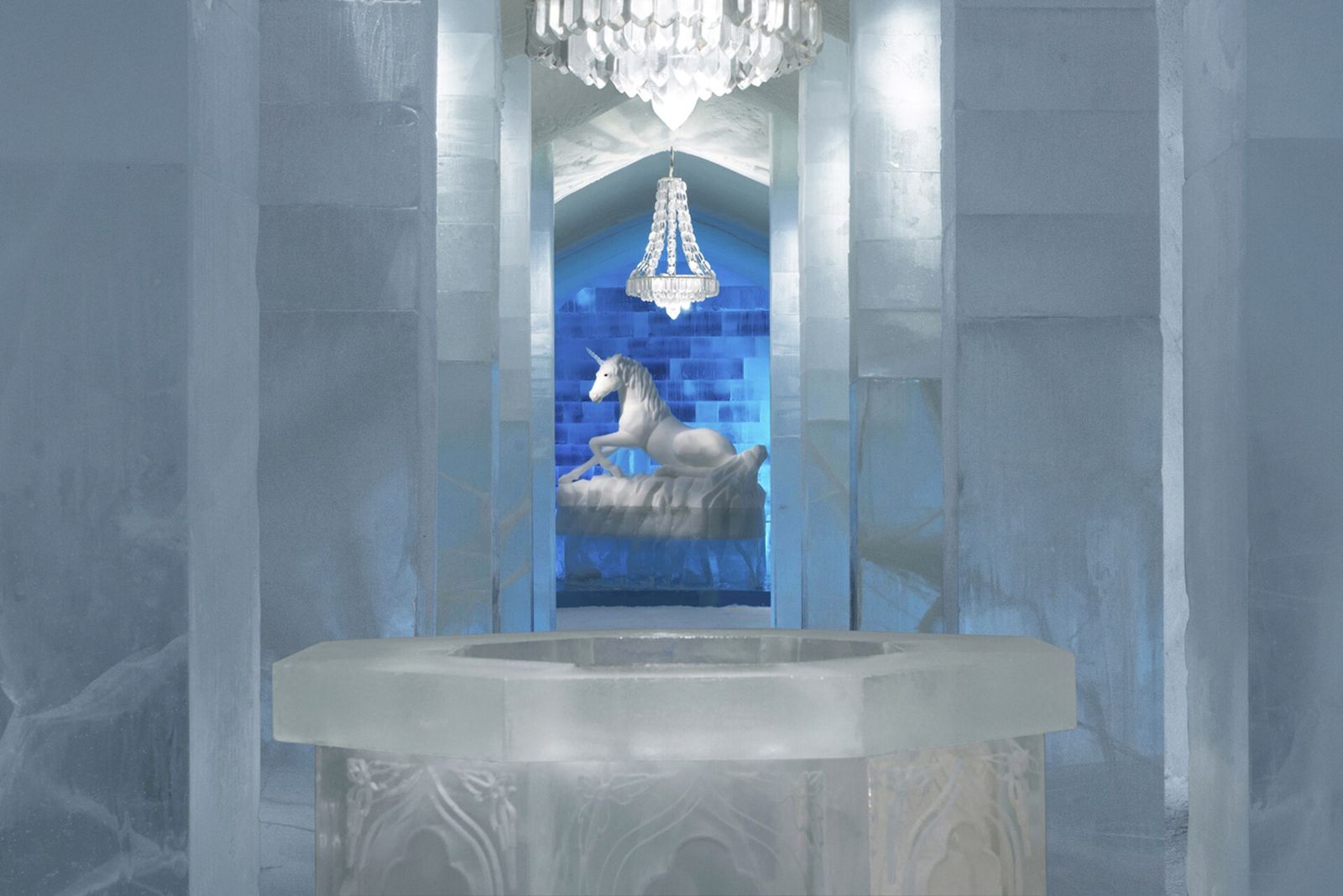
ICEHOTEL: A Hotel That Melts Back Into the River
Jukkasjärvi, Sweden
Rebuilt from Torne River ice every winter, ICEHOTEL in Swedish Lapland is part art gallery, part hotel and entirely seasonal.
Read More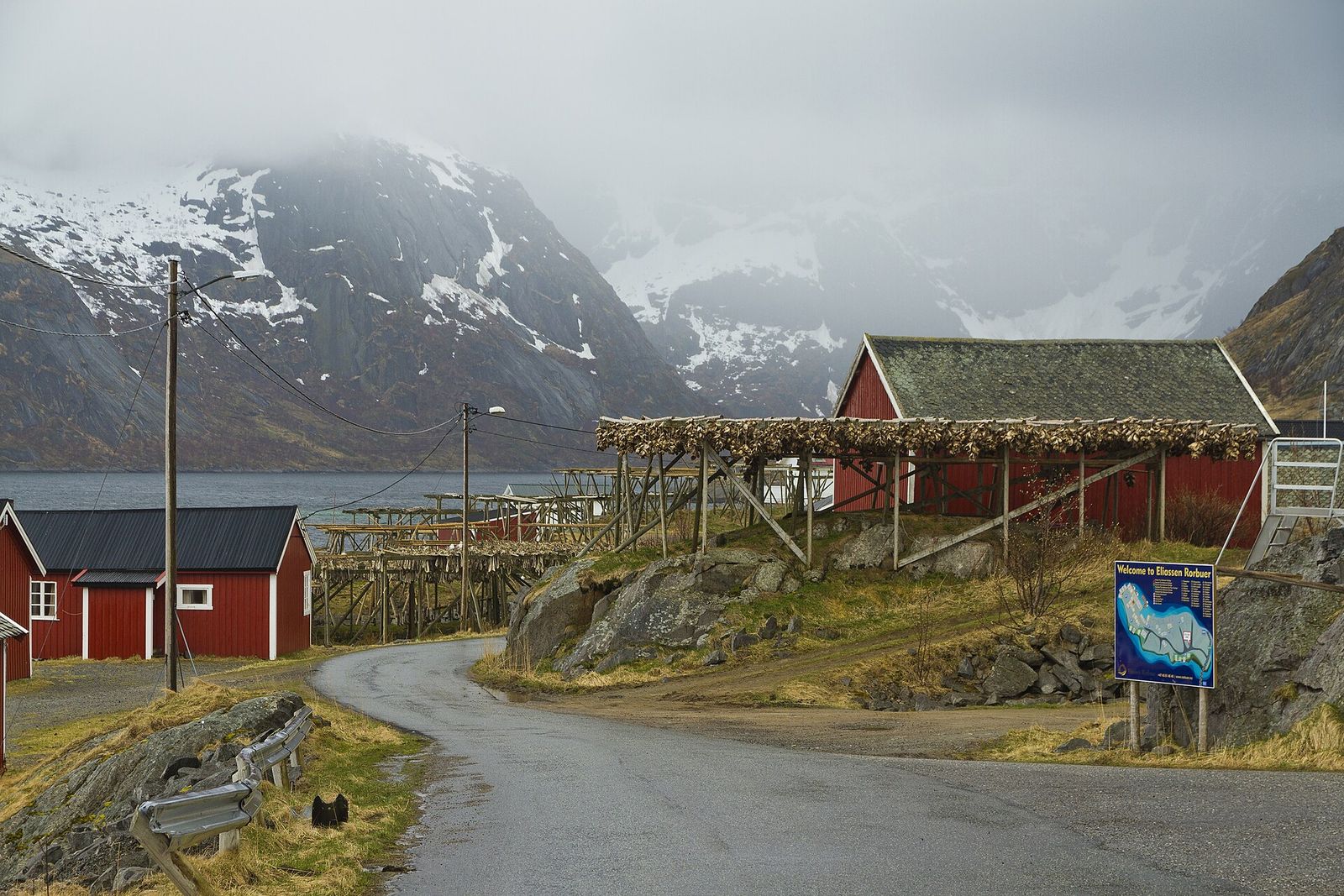
Hidden Retreats · 7 min read
A Stay in a Lofoten Rorbu: Fishing Life Among the Islands
Hamnøy, Lofoten, Norway
Traditional fishermen's cabins offer a close-up way to experience Lofoten's harbors, steep peaks and changing Arctic light.
Read More
Hidden Retreats · 7 min read
Hydra Without Cars: A Slow Island Stay in the Saronic Gulf
Hydra, Saronic Islands, Greece
On Hydra, harbor walks, steep lanes and sea routes set the pace for a Greek island escape without ordinary road traffic.
Read More