Hydra Without Cars: A Slow Island Stay in the Saronic Gulf
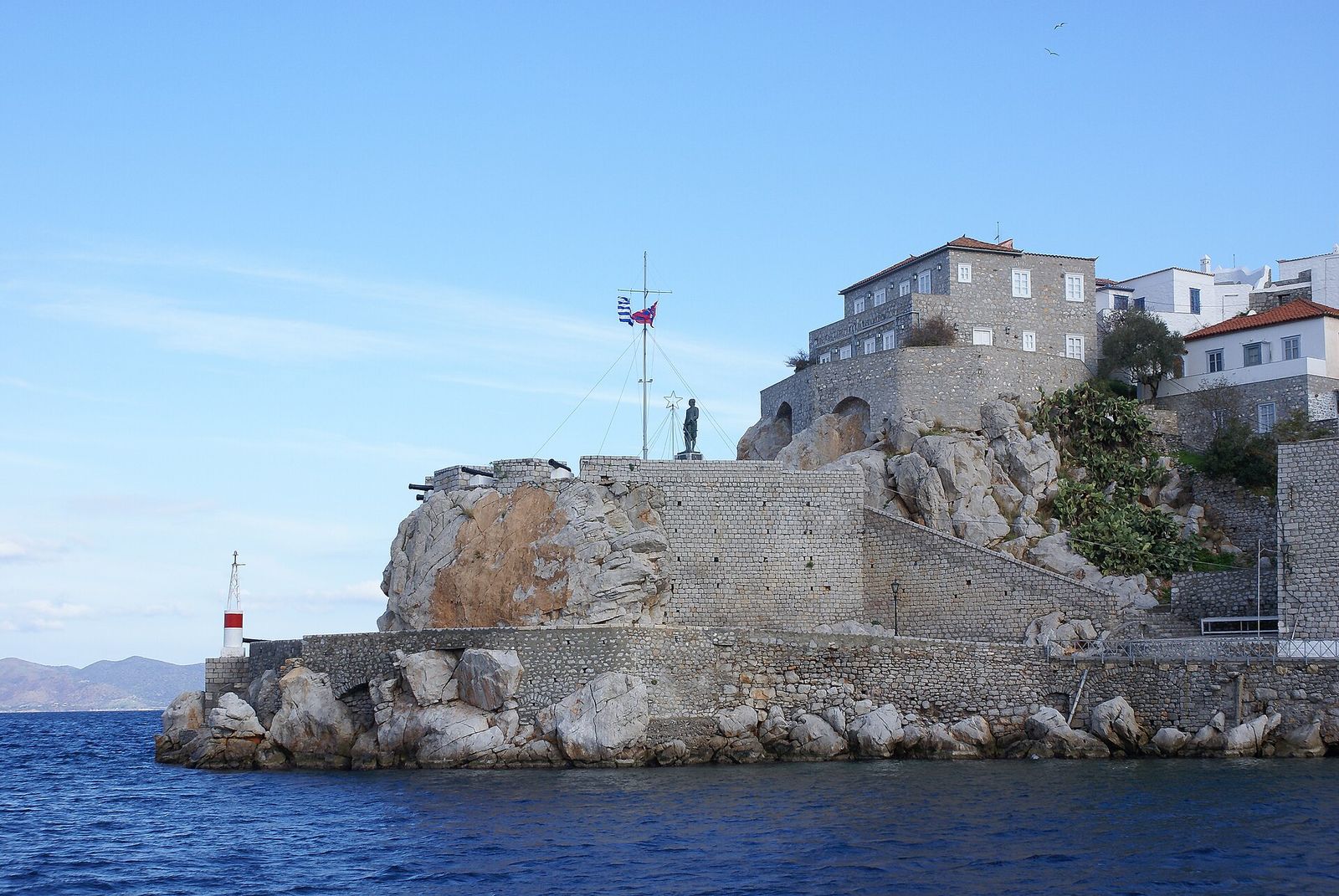
On Hydra, the loudest engine you are likely to hear belongs to a water taxi. There are no private cars on the island, and goods still travel the old way, on the backs of donkeys and mules up stone stairways from the harbour. Add grey stone mansions, a horseshoe shaped port and a long tradition of artists and writers, and you have one of the most distinctive islands in Greece, only a short ferry ride from Athens.
An island without cars
Hydra's car free status is not a recent trend. Motor vehicles have long been banned for private use, with only a handful of service vehicles such as rubbish trucks permitted. That decision has shaped everything. Instead of roads, the island has paved paths and steep staircases. Instead of taxis, it has water taxis that buzz between the harbour and the small coves around the coast. And instead of delivery vans, it has the donkeys and mules that wait patiently in the port to carry luggage, shopping and building materials.
The result is a calm that is hard to find on many Greek islands. Without traffic, sound carries differently. You hear footsteps, bells, conversations from the cafés and the clatter of hooves on stone. Many visitors find themselves walking more slowly within a day of arriving.
A word about the animals
Donkeys and mules are part of everyday life here, and the island has worked to improve their welfare. If you use them to carry luggage, keep loads reasonable and be kind to the animals and their handlers. Riding them for fun up very steep paths is not a great idea for heavier adults.
A port built on the sea
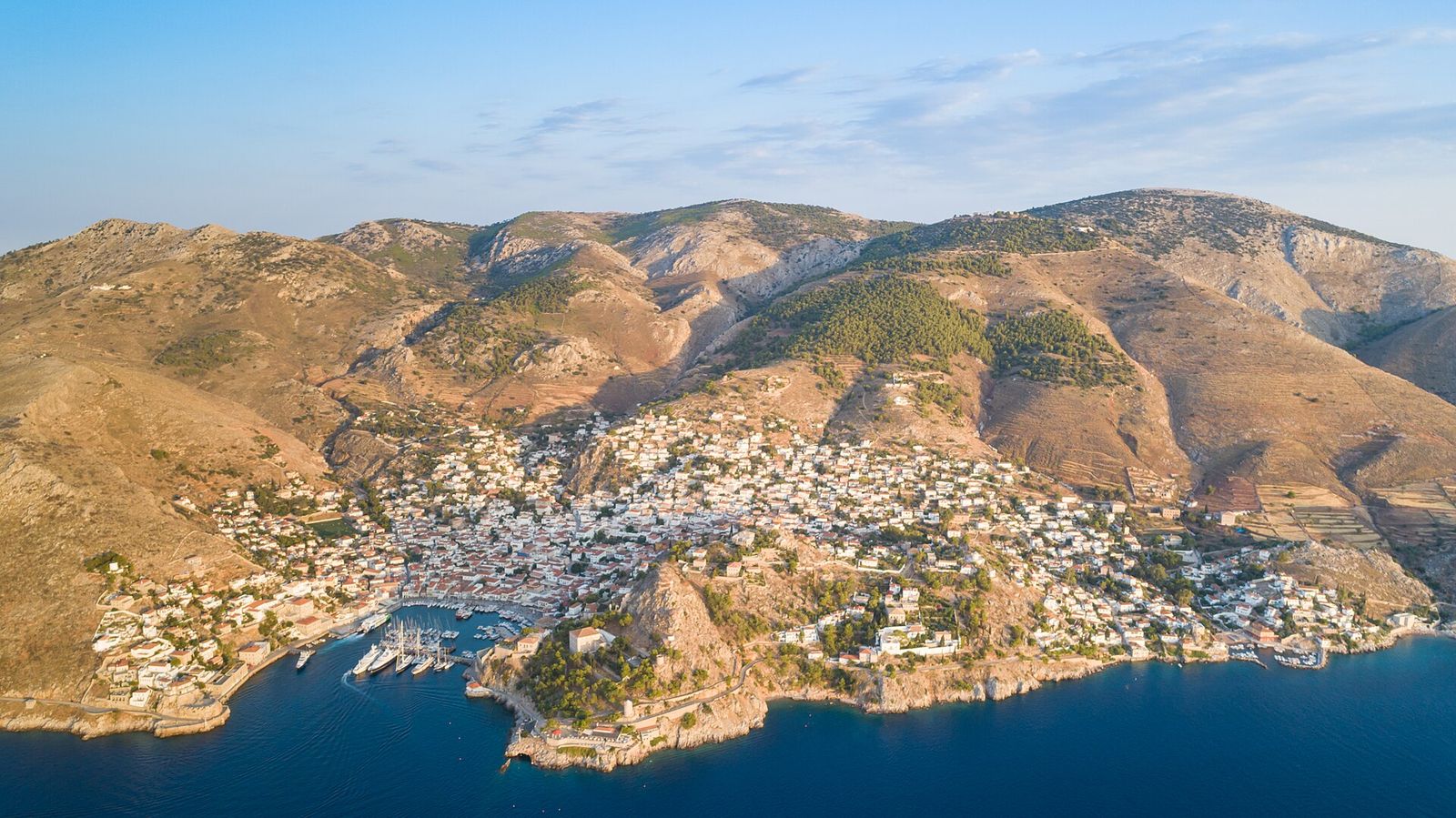
Hydra Town wraps around its harbour like an amphitheatre. Stone mansions rise up the slopes, many of them built in the 18th and 19th centuries by wealthy ship owning families. In those years Hydra had a large merchant fleet, and when the Greek War of Independence began in 1821, its ships and sailors played a major role. Naval leaders such as Andreas Miaoulis and Lazaros Kountouriotis came from the island, and their names still appear on streets and monuments.
The Historical Archives Museum of Hydra, beside the port, holds documents, paintings and objects from this period and is a good starting point for understanding why the island looks so grand for its size. The Kountouriotis Mansion, perched above the harbour, gives a sense of how the island's leading families lived.
Art, music and a famous Canadian
In the 1950s and 60s Hydra attracted a community of foreign artists and writers, including the Canadian poet and singer Leonard Cohen, who bought a house on the island and lived there for periods in the 1960s. Today, galleries and art events continue that tradition. Each summer the DESTE Foundation runs exhibitions in a former slaughterhouse on the edge of town, which has become a fixture of the island's cultural life.
Swimming the Hydra way
Hydra is rocky, and sandy beaches are few. Swimming often means stepping off rocks or concrete platforms straight into clear deep water. Just west of the harbour, a coastal path leads past swimming spots carved into the rocks and on to the villages of Kamini and Vlychos, each with small pebble beaches and tavernas. Further around the coast, water taxis and small boats reach coves such as Bisti and Agios Nikolaos, which feel more secluded.
Early morning is a particularly good time to swim. The light is soft, the water glassy and the platforms near town still almost empty. By late morning in summer, the sun is strong and shade is scarce, so a hat and water are essential.
Walking up into the hills
Behind the town, paths climb into the island's dry, rocky interior. A long staircase and trail lead up to the Monastery of Profitis Ilias, high above the harbour, with sweeping views over the Saronic Gulf and the Peloponnese. The climb is steep and best done early in the day, outside the hottest summer months. Further along, paths continue to other monasteries and quiet corners of the island where you may meet only goats.
A slower rhythm
It is easy to spend days on Hydra doing very little: coffee by the harbour, a swim, a long lunch, a walk at sunset along the coast path to Kamini. The island does not have big sights, and thats exactly its appeal. Time stretches when you cant drive anywhere.
Festivals and the island calendar
Hydra has a strong sense of tradition. Each June the Miaoulia festival honours Admiral Andreas Miaoulis and the island's role in the war of independence, with celebrations around the harbour that traditionally include a reenactment of a naval battle and the burning of a ship. Orthodox Easter is also a special time, with candlelit processions, and in Kamini the Good Friday procession famously carries the Epitaphios into the sea. Dates change each year, so check local information if you hope to time your visit.
Eating on Hydra
Food on Hydra follows the island's easy pace. Tavernas around the harbour and in Kamini serve grilled fish, salads, fava and slow cooked dishes, while bakeries sell amygdalota, the almond sweets the island is known for. Prices around the port can be higher than in quieter corners, and walking ten minutes away from the harbour front often brings a calmer table and a better view of the sea. Dinner is late in Greece, so dont be surprised to see families still eating well after 10 pm in summer.
When to go
Late spring, from May to June, and early autumn, September into October, are usually the most pleasant periods. The sea is warm enough for swimming, the paths are walkable and the island is less crowded than at the peak of summer. July and August are hot and busy, especially at weekends when visitors arrive from Athens. In winter, Hydra is very quiet, many hotels and restaurants close, and ferries may be affected by weather. Some people love it for exactly that reason. The harbour feels like a village again, cats doze on warm steps, and you may have a whole swimming platform to yourself on a sunny November morning.
Getting there
High speed ferries run from Piraeus, the main port of Athens, to Hydra, with crossings typically taking around one and a half to two hours depending on the route and vessel. Services are more frequent in summer. There are also connections from other ports in the Saronic Gulf and the Peloponnese, including Metochi on the mainland opposite, from where small boats make the short crossing. Book ferry tickets ahead in high season, and always allow a buffer, since wind can disrupt sailings.
Practical tips for a Hydra stay
- Pack light, or at least pack in a bag you can carry up stairs. Many guesthouses are reached by steep stepped lanes.
- Ask your accommodation in advance whether they can arrange luggage transport from the port.
- Wear shoes with good grip. The marble and stone paths can be very slippery, especially when wet or polished by years of feet.
- Carry some cash. Most places accept cards now, but small kiosks and water taxis may prefer cash.
- Swim from the rock platforms with care, and watch for boat traffic near the harbour.
- Check ferry timetables close to your travel dates, especially outside summer when services are reduced.
Questions travellers ask
Are there really no cars on Hydra?
Private cars and motorbikes are not allowed for general use. A few service vehicles operate, but people move around on foot, by donkey or mule, and by water taxi.
Is Hydra good for a day trip from Athens?
It is possible, and many people do it, but staying at least one night lets you see the harbour in the quiet of evening and early morning.
Are there sandy beaches on Hydra?
Very few. Most swimming is from rocks, platforms or small pebble beaches such as those at Kamini and Vlychos.
Clifton Inn is an independent travel information website and does not take bookings. Details such as opening seasons and access can change, so please confirm current information with the relevant provider.
Related stories
Extraordinary Stays · 7 min read
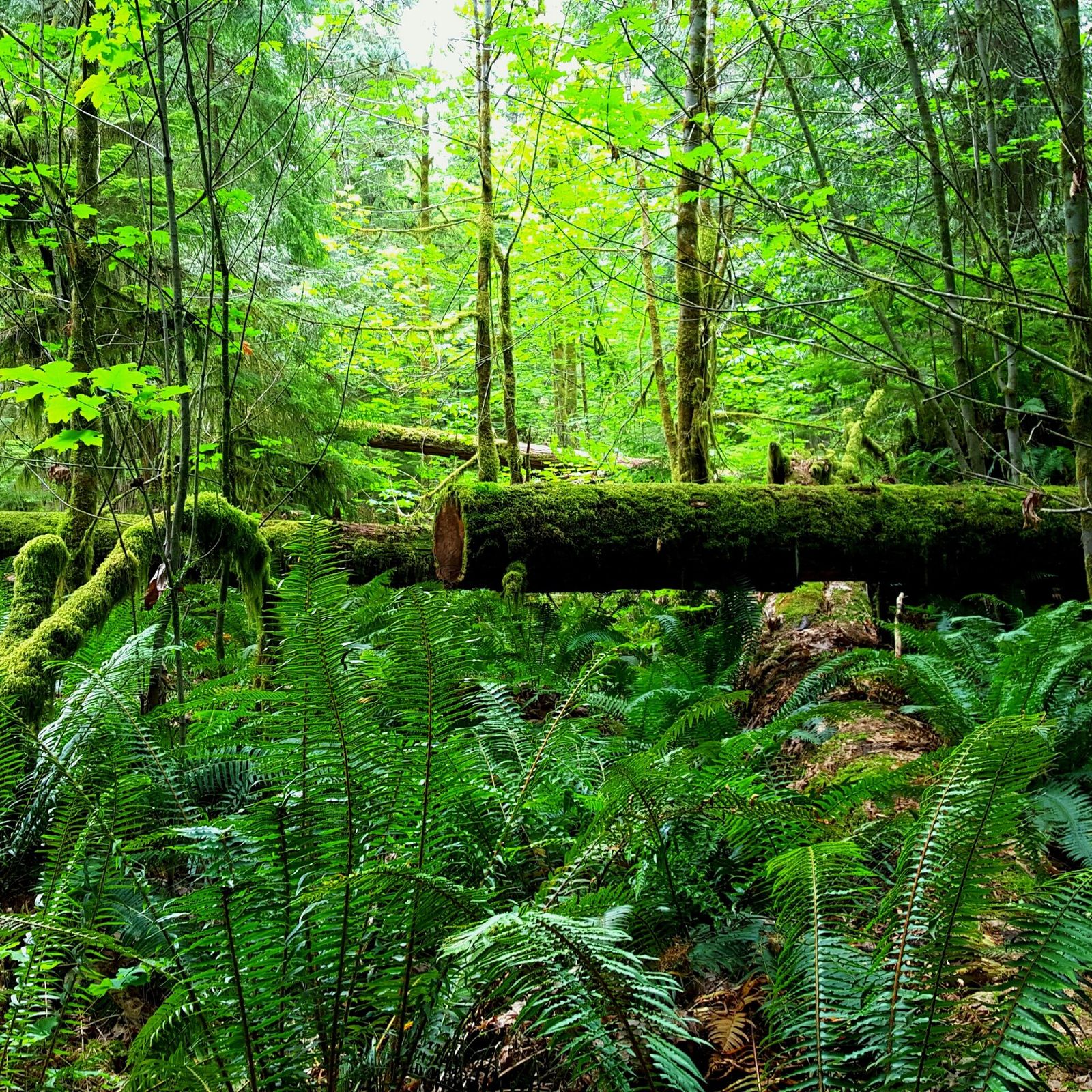
Free Spirit Spheres: Hanging Among the Trees
Qualicum Beach, Vancouver Island, Canada
On Vancouver Island, round wooden spheres suspended from coastal trees offer a treehouse stay unlike any other.
Read More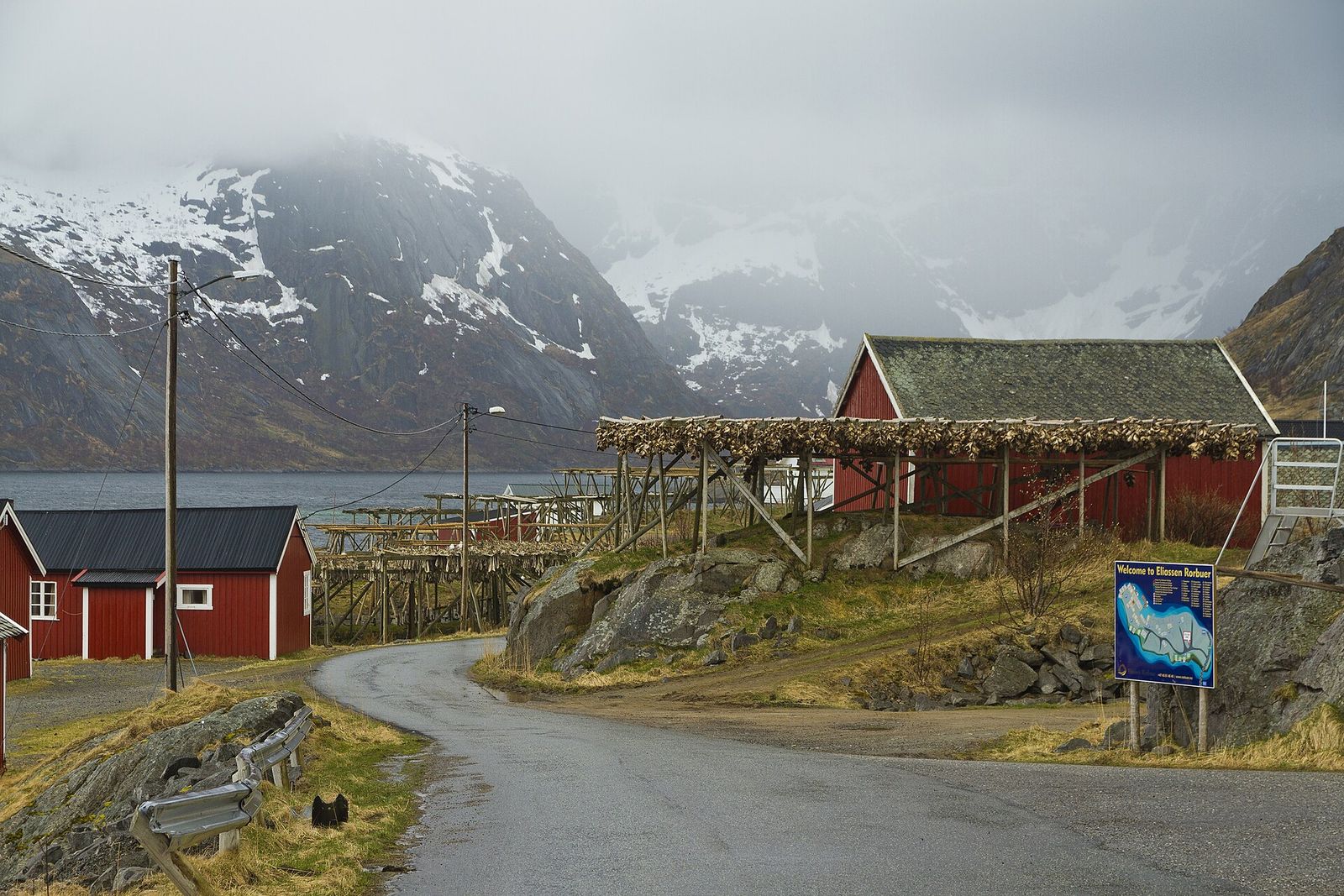
Hidden Retreats · 7 min read
A Stay in a Lofoten Rorbu: Fishing Life Among the Islands
Hamnøy, Lofoten, Norway
Traditional fishermen's cabins offer a close-up way to experience Lofoten's harbors, steep peaks and changing Arctic light.
Read More
Hidden Retreats · 7 min read
Lord Howe Island: A Small-Scale Escape in the Tasman Sea
Lord Howe Island, New South Wales, Australia
A remote island of reefs, forest and dramatic peaks, Lord Howe rewards careful planning and a gentle pace.
Read More