Chefchaouen: Finding More Than Blue in Morocco's Rif Mountains
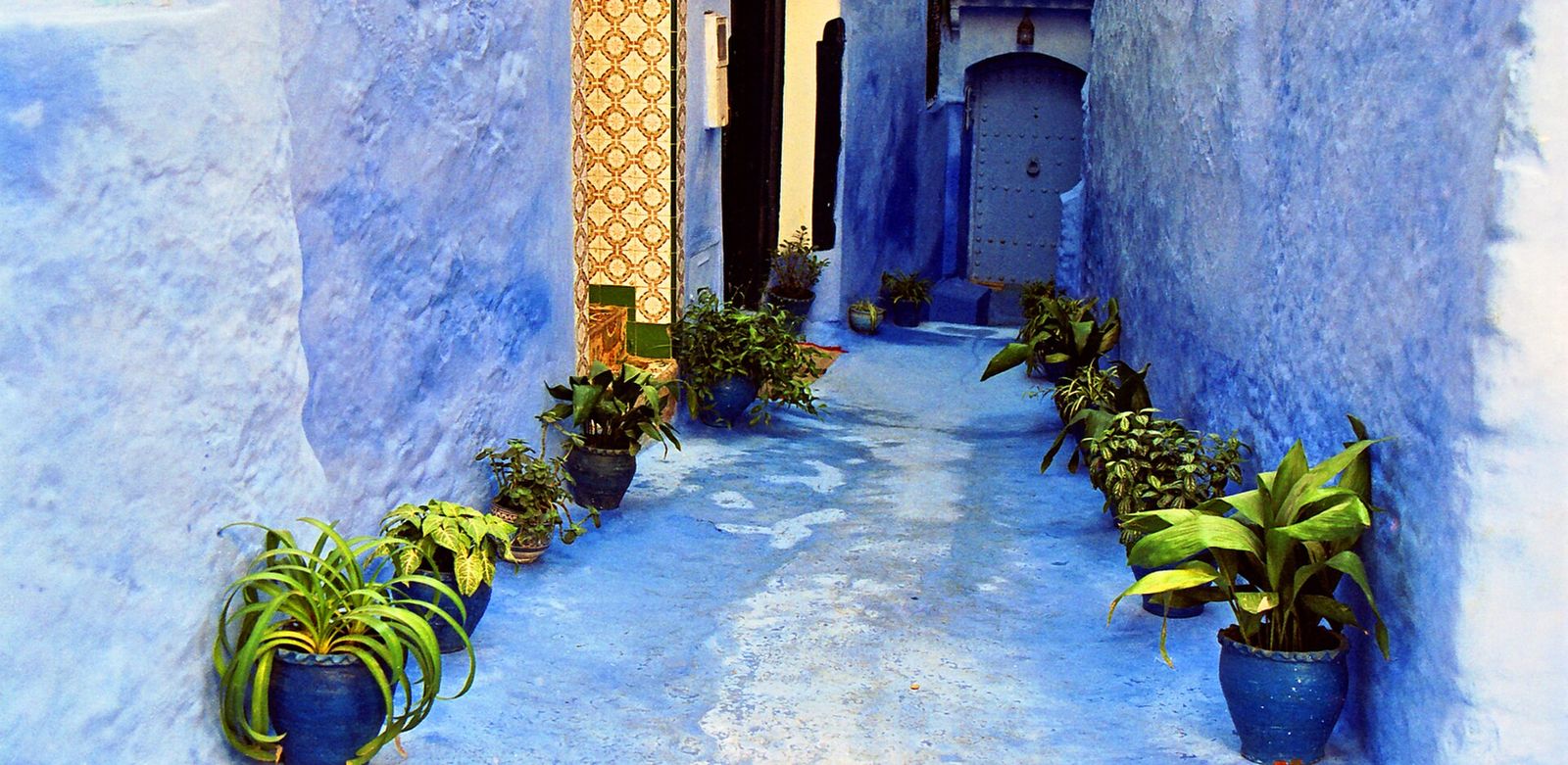
High in the Rif Mountains of northern Morocco, Chefchaouen spills down a hillside beneath two rocky peaks. Its medina is washed in shades of blue, from pale sky to deep indigo, on walls, doors, steps and even the edges of the streets. The colour is the first thing everyone notices, and it is undeniably beautiful. But Chefchaouen is more than a backdrop for photographs. It is a mountain town with a long history, a lively local culture and easy access to some of the most beautiful landscapes in Morocco.
A town founded in the mountains
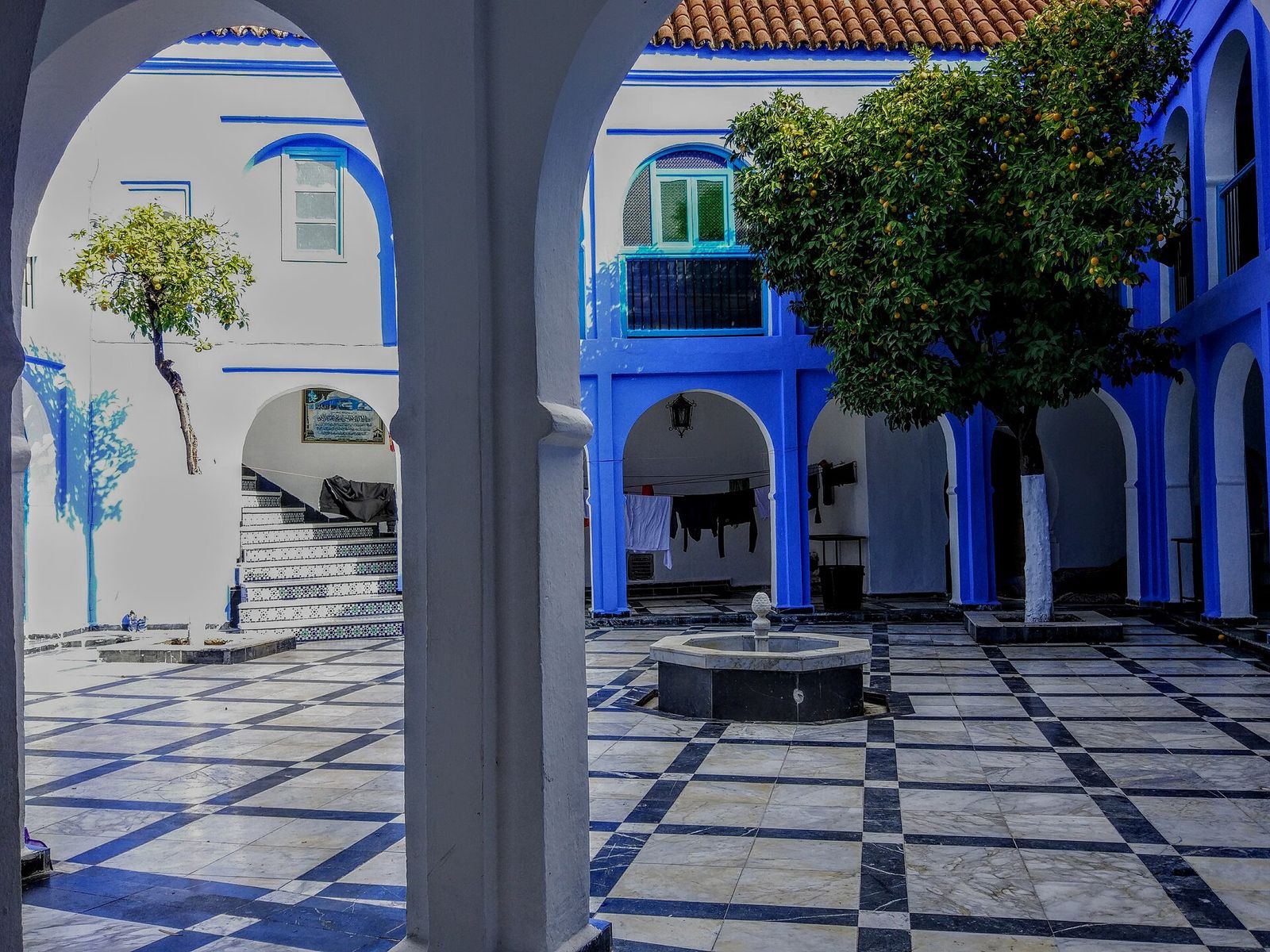
Chefchaouen was founded in 1471 by Moulay Ali ben Rachid, as a small fortress to resist Portuguese incursions in northern Morocco. Over the following decades, it grew with the arrival of Muslim and Jewish refugees from Andalusia, who fled Spain after the fall of Granada in 1492. They brought with them Andalusian architecture, crafts and traditions, which are still visible in the town's whitewashed houses, tiled roofs and narrow lanes.
For centuries, Chefchaouen remained relatively isolated, and foreigners were rarely allowed to enter. In the 20th century, it came under Spanish control during the protectorate period, from 1920 until Moroccan independence in 1956. Spanish is still understood by many people in the region today, alongside Arabic, Berber languages and French.
Why blue?
Nobody knows exactly why Chefchaouen is painted blue. Some stories link the colour to Jewish refugees who arrived in the 1930s, for whom blue held religious meaning. Others say it keeps mosquitoes away, keeps houses cool or simply looks beautiful. Whatever the origin, residents have kept up the tradition, and the town repaints its walls regularly, especially before festivals. Blue is now an essential part of Chefchaouen's identity.
Exploring the medina
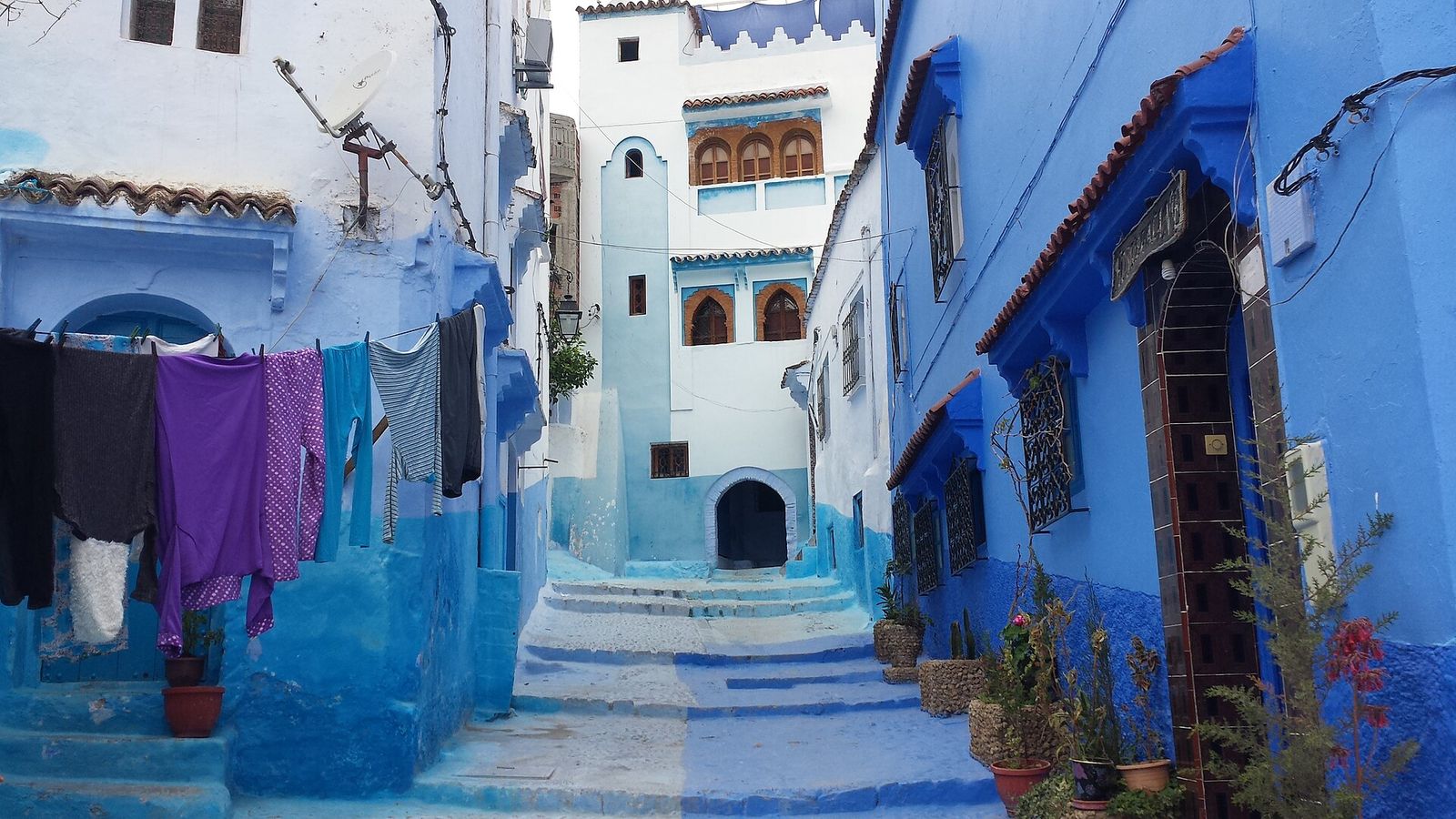
The medina of Chefchaouen is compact and walkable, though its lanes climb steeply, with many steps. Unlike the vast medinas of Fes or Marrakech, it is relatively easy to find your way around, and getting a little lost is part of the pleasure.
Outa el Hammam and the kasbah
The main square, Plaza Outa el Hammam, is the heart of the medina, lined with cafés and restaurants and shaded by trees. On one side stands the kasbah, a red walled fortress with gardens and a small museum. You can climb one of the towers for views over the rooftops. Next to it, the Grand Mosque has an unusual octagonal minaret, though non Muslims cannot enter the mosque.
Ras el Maa
At the eastern edge of the medina, the Ras el Maa spring flows from the mountain, and local women have traditionally washed clothes here in the stream. Cafés nearby are pleasant places to sit and listen to the water. From here, a path leads up to the Spanish Mosque.
The Spanish Mosque
On a hill east of town, a small mosque built during the Spanish protectorate in the 1920s stands empty, but the path up to it is very popular at sunset. The view over Chefchaouen, glowing in the evening light against the mountains, is one of the best in the area. The walk takes about half an hour, and its steep in places.
Crafts and food
Chefchaouen has a strong tradition of crafts, including weaving, leatherwork and woodwork. Look for wool blankets, rugs and woven bags, often made in local cooperatives. Prices are usually negotiated, and bargaining is expected, but it should always be friendly and respectful.
The local cuisine includes classic Moroccan dishes such as tagine and couscous, as well as regional specialities like goat's cheese from the Rif mountains, often served fresh with olive oil and bread. Mint tea is offered everywhere, sweet and fragrant.
Into the Rif Mountains
Chefchaouen is a gateway to the Rif Mountains, and the surrounding landscape is beautiful, with forests, valleys and rocky peaks.
Talassemtane National Park
Talassemtane National Park, east of Chefchaouen, protects forests of cedar and fir, including the rare Moroccan fir, as well as limestone peaks and deep gorges. Hiking trails range from short walks to multi day treks through remote villages. A local guide is recommended for longer routes, both for navigation and to help with local customs.
Akchour
Akchour, about an hour's drive from Chefchaouen, is known for its waterfalls and turquoise pools, reached by trails along the river. A natural rock arch, often called God's Bridge, spans the gorge high above the water. The walk to the larger waterfall takes a few hours, and the area can be busy at weekends and in summer. Swimming in the pools is possible in warm weather, but be careful on slippery rocks.
A word about cannabis
The Rif region has long been known for cannabis cultivation. In 2021, Morocco passed a law permitting cannabis for medical, cosmetic and industrial purposes under licence, but recreational use and possession remain illegal. Visitors may be offered cannabis in Chefchaouen or in the mountains. It is best to decline politely and firmly, and to avoid any involvement.
Living blue: respecting residents
Chefchaouen's popularity on social media has brought many visitors, and some residents have become tired of crowds gathering outside their homes for photos. A few of the most photographed lanes and doorways are private spaces, decorated with plants and pots by the families who live there. Some ask for a small tip in exchange for photos, which is understandable. The simplest rule is to treat the medina as a neighbourhood, not a set. Keep your voice low in residential alleys, dont block doorways and steps, and buy something from local shops or cafés if you spend a long time in their street. Early mornings are calm, with children walking to school and shopkeepers opening their doors, and this is often when the town feels most genuine and welcoming.
When to go
Spring, from March to May, is often the best time to visit, with mild weather, green hills and wildflowers. Autumn, from September to November, is also pleasant. Summer is warm, but the mountain location keeps it cooler than many parts of Morocco, and Moroccan visitors come in large numbers in July and August. Winter is cold and rainy, with occasional snow on the peaks, and buildings may be poorly heated, so bring warm clothes.
During Ramadan, the rhythm of daily life changes, with many restaurants closed during the day and lively evenings after sunset. It is a fascinating time to visit, but be respectful of those who are fasting.
Getting there
Chefchaouen does not have a railway station. Buses, including those run by CTM, connect it with Tangier, Tetouan, Fes and other cities. From Tangier, the journey takes around three hours, while from Fes it is around four to five hours. Grand taxis, shared or private, are another option. Tetouan, about an hour away, is a useful hub. The nearest airports are in Tangier and Tetouan.
Practical tips for visiting Chefchaouen
- Stay at least one night to see the medina in the quiet early morning and the evening light.
- Wear comfortable shoes with good grip. The lanes are steep, and the blue painted steps can be slippery.
- Dress modestly, covering shoulders and knees, out of respect for local customs.
- Ask permission before photographing people, and avoid photographing doorways where residents are sitting without asking.
- Hire a licensed guide for treks in the Rif Mountains and Talassemtane National Park.
- Carry cash in Moroccan dirham, as many small shops and cafés do not accept cards.
Questions travellers ask
Why is Chefchaouen painted blue?
No one knows for certain. Popular explanations include links with Jewish refugees, keeping houses cool and keeping insects away, and residents have kept up the tradition.
Can I take a train to Chefchaouen?
No. Chefchaouen has no railway station. Buses and grand taxis connect it with Tangier, Tetouan and Fes.
Is Chefchaouen a good base for hiking?
Yes. The town is a gateway to the Rif Mountains, Talassemtane National Park and the waterfalls of Akchour.
Clifton Inn is an independent travel information website and does not take bookings. Details such as opening seasons and access can change, so please confirm current information with the relevant provider.
Related stories
Hidden Retreats · 7 min read
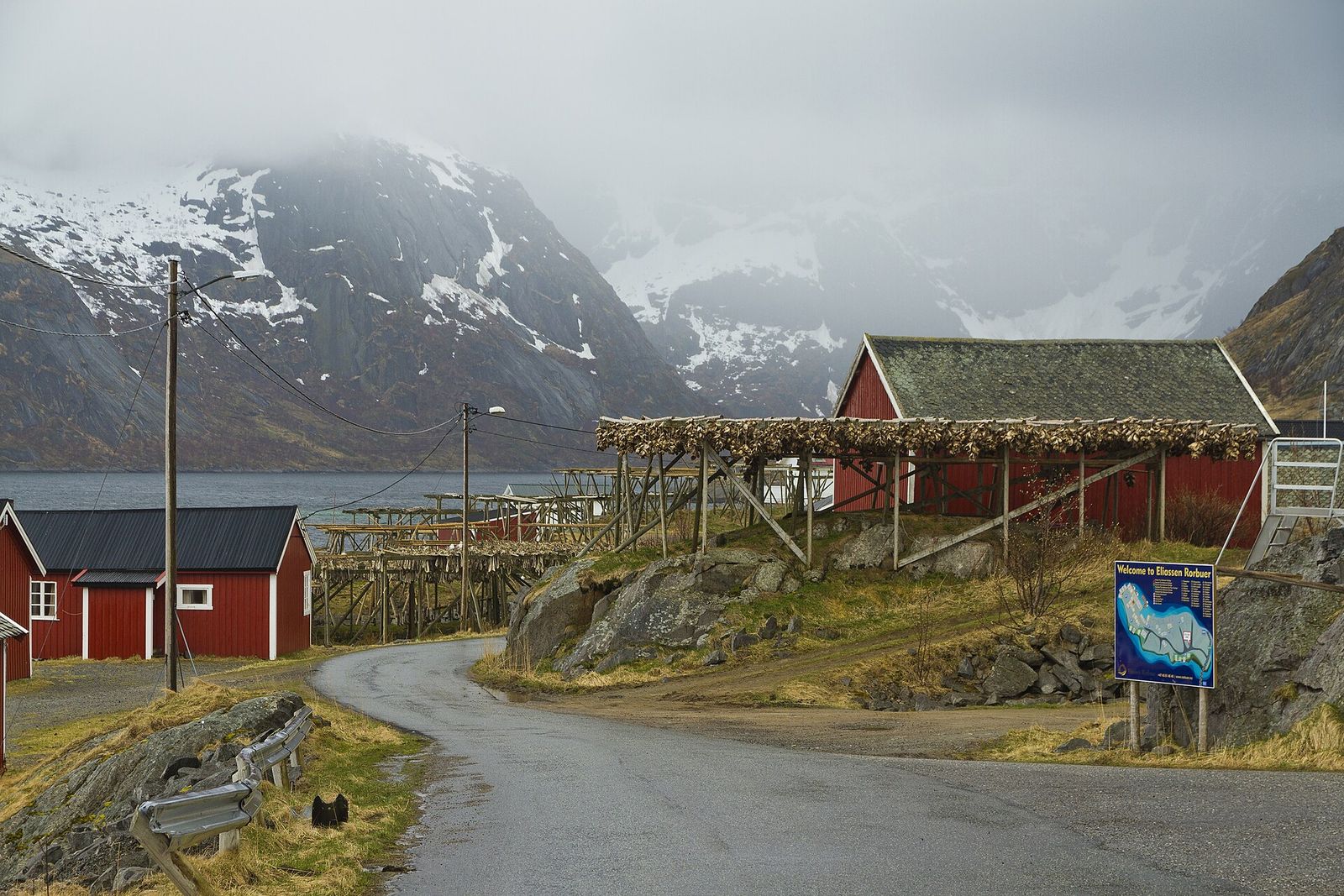
A Stay in a Lofoten Rorbu: Fishing Life Among the Islands
Hamnøy, Lofoten, Norway
Traditional fishermen's cabins offer a close-up way to experience Lofoten's harbors, steep peaks and changing Arctic light.
Read More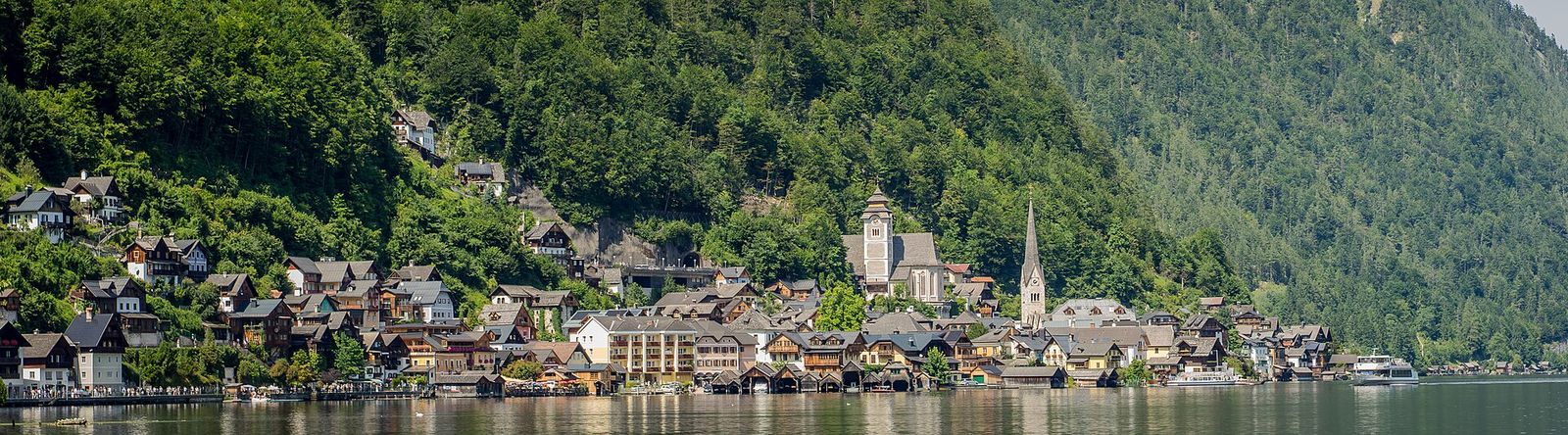
Places Worth the Journey · 7 min read
Hallstatt and the Salzkammergut: Austria's Lakeside Heartland
Hallstatt, Upper Austria
Pair Hallstatt's lakeside lanes with the wider Salzkammergut, where mountain scenery, working towns and clear-water lakes reward a slower itinerary.
Read More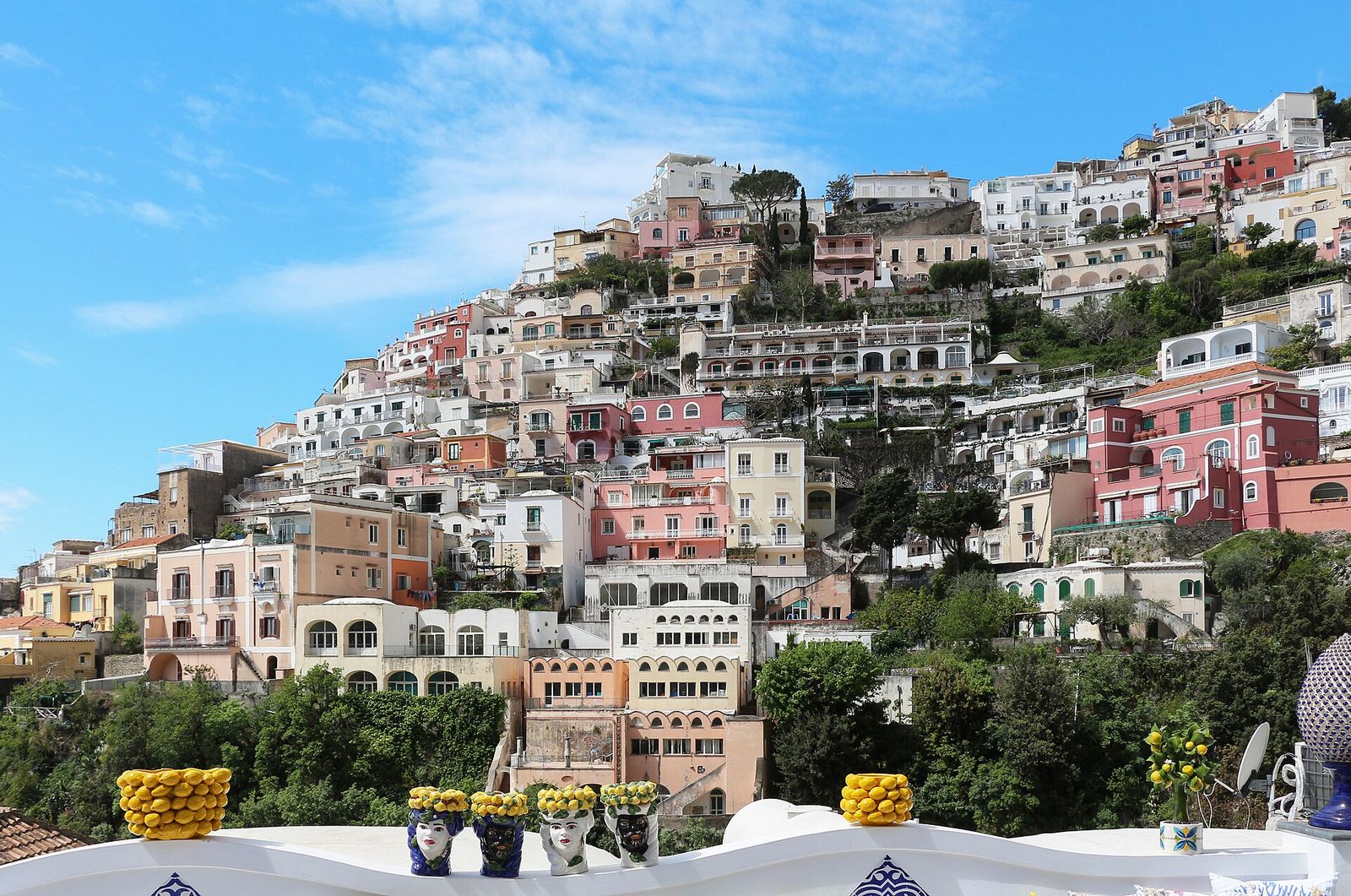
Places Worth the Journey · 7 min read
The Amalfi Coast: A Road, a Shoreline and a Slower Pace
Amalfi, Campania
Explore the Amalfi Coast through its cliffside towns, sea routes and walking paths, with practical advice for making a crowded region feel manageable.
Read More