Ha Long Bay: Limestone Islands and Life on the Water
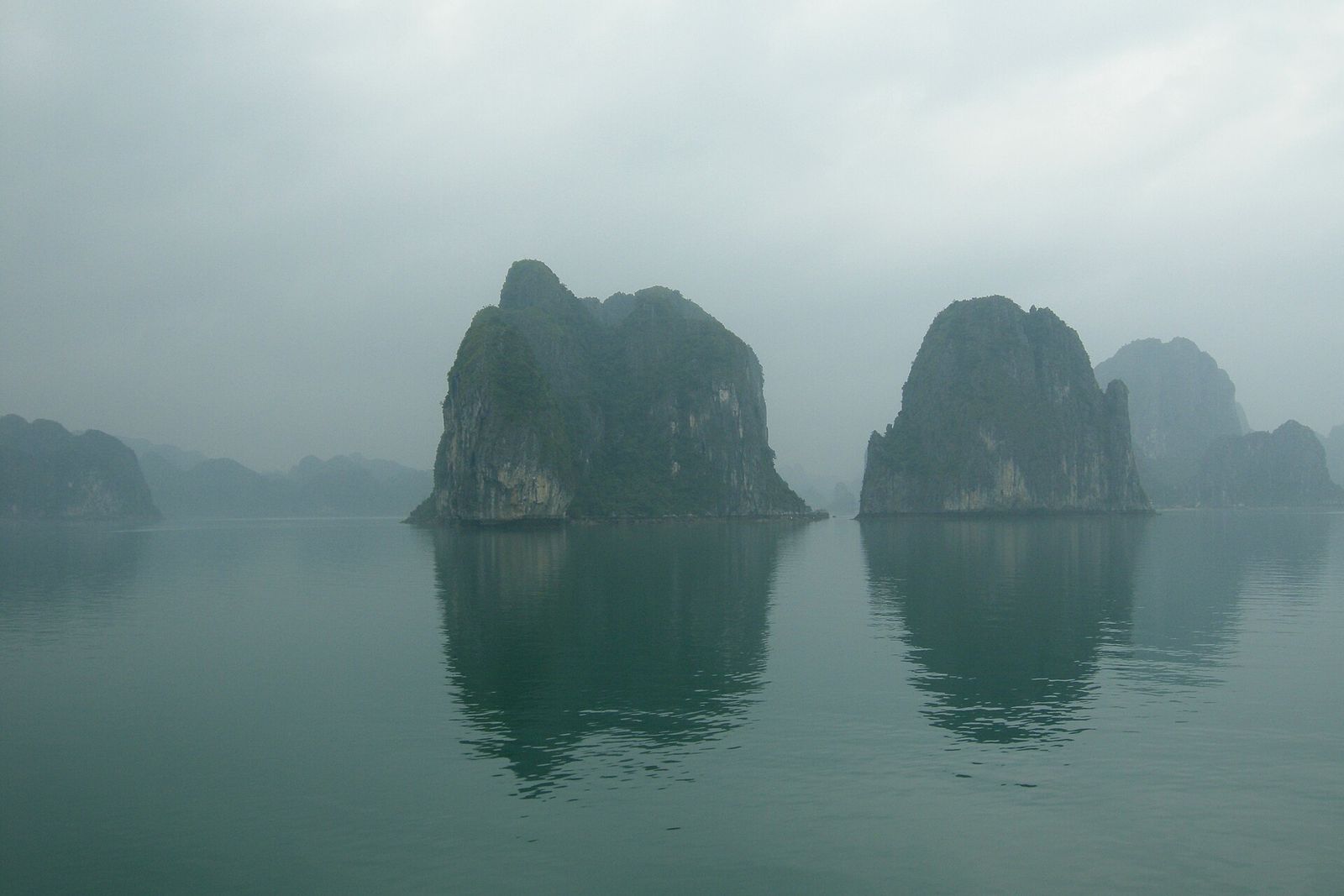
Ha Long Bay looks almost unreal at first sight. Hundreds of steep limestone islands rise from calm green water, their sides covered in jungle, their bases carved by waves into caves and arches. Boats glide between them, and on misty mornings the islands fade into layers of grey like an ink painting. In northeastern Vietnam, near the border with China, the bay is one of the country's most famous landscapes and a living maritime region, where people have fished and traded for centuries.
A landscape of limestone
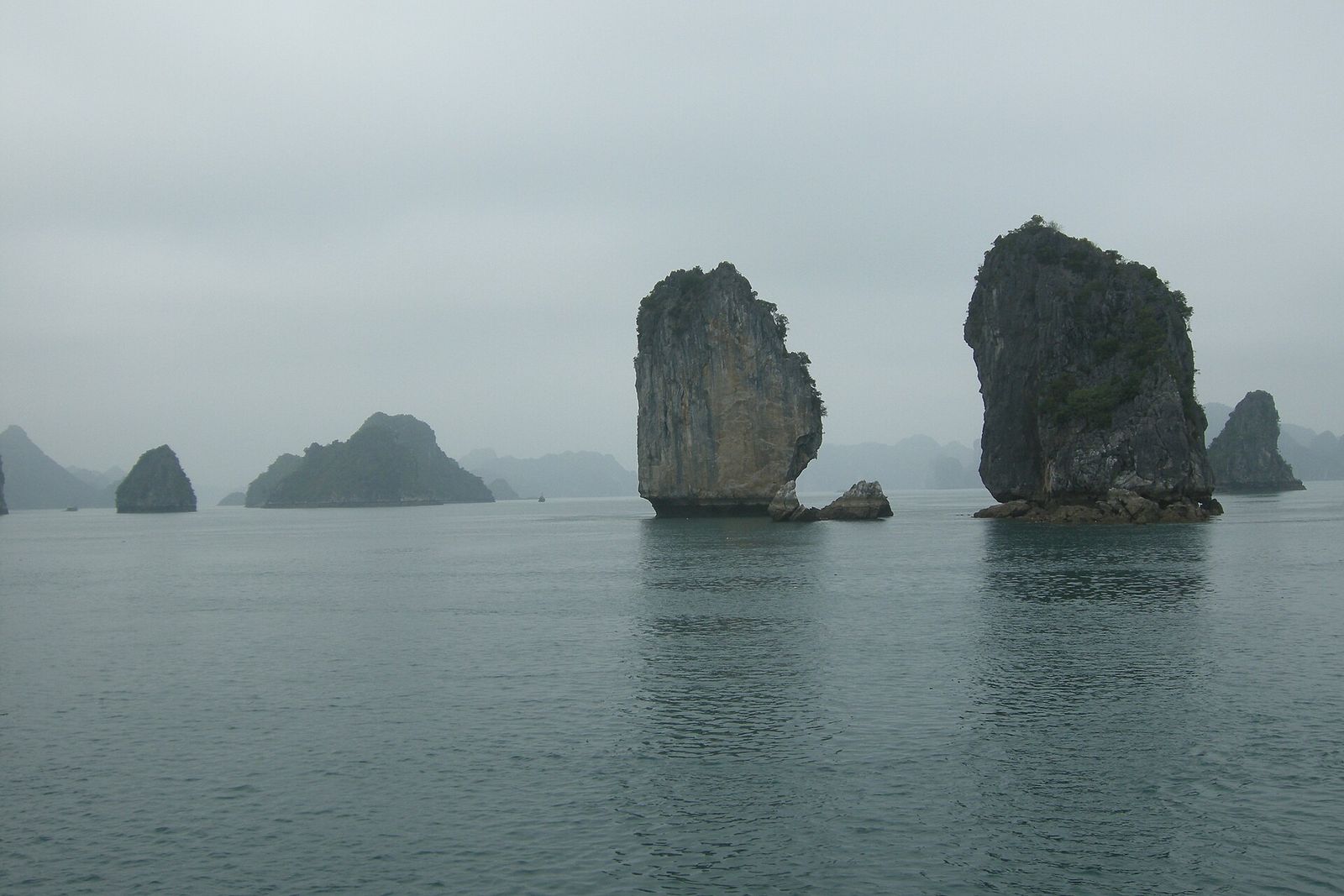
Ha Long Bay lies in Quang Ninh Province, in the Gulf of Tonkin. It contains well over a thousand islands and islets, most of them made of limestone. Over millions of years, rain, sea and changing sea levels eroded the rock into tall towers and pinnacles, known as karst, along with caves, grottoes and lagoons hidden inside the islands. Geologists consider it one of the finest examples of marine karst landscape in the world.
The bay was inscribed on the UNESCO World Heritage List in 1994, with its recognition later extended to include its geological value. In 2023, the listing was further expanded to include the neighbouring Cat Ba Archipelago, creating a larger site called Ha Long Bay Cat Ba Archipelago.
The legend of the dragon
The name Ha Long means "descending dragon". According to a popular legend, the gods sent a family of dragons to help defend the country against invaders. The dragons spat out jewels and jade, which turned into the islands, forming a barrier against enemy ships. The story is told on many boats, and it is a lovely way to see the landscape through local eyes.
Life on the water
For generations, communities of fishing families lived on the water in floating villages, with houses built on rafts and boats. Some visitors have been able to see these villages on organised trips, often by rowing boat or kayak. In recent years, many residents were relocated to the mainland, partly for safety, education and environmental reasons, and the floating villages are much smaller than they once were. If you visit, remember that people live and work here, and photography should be respectful.
Fishing, pearls and changing livelihoods
Fishing and aquaculture remain important in the region, and pearl farming has been developed in some areas. Tourism, however, has become a major source of income, with large numbers of boats and visitors. Balancing tourism with environmental protection, especially the quality of water and the health of marine life, is a constant challenge.
Exploring the bay
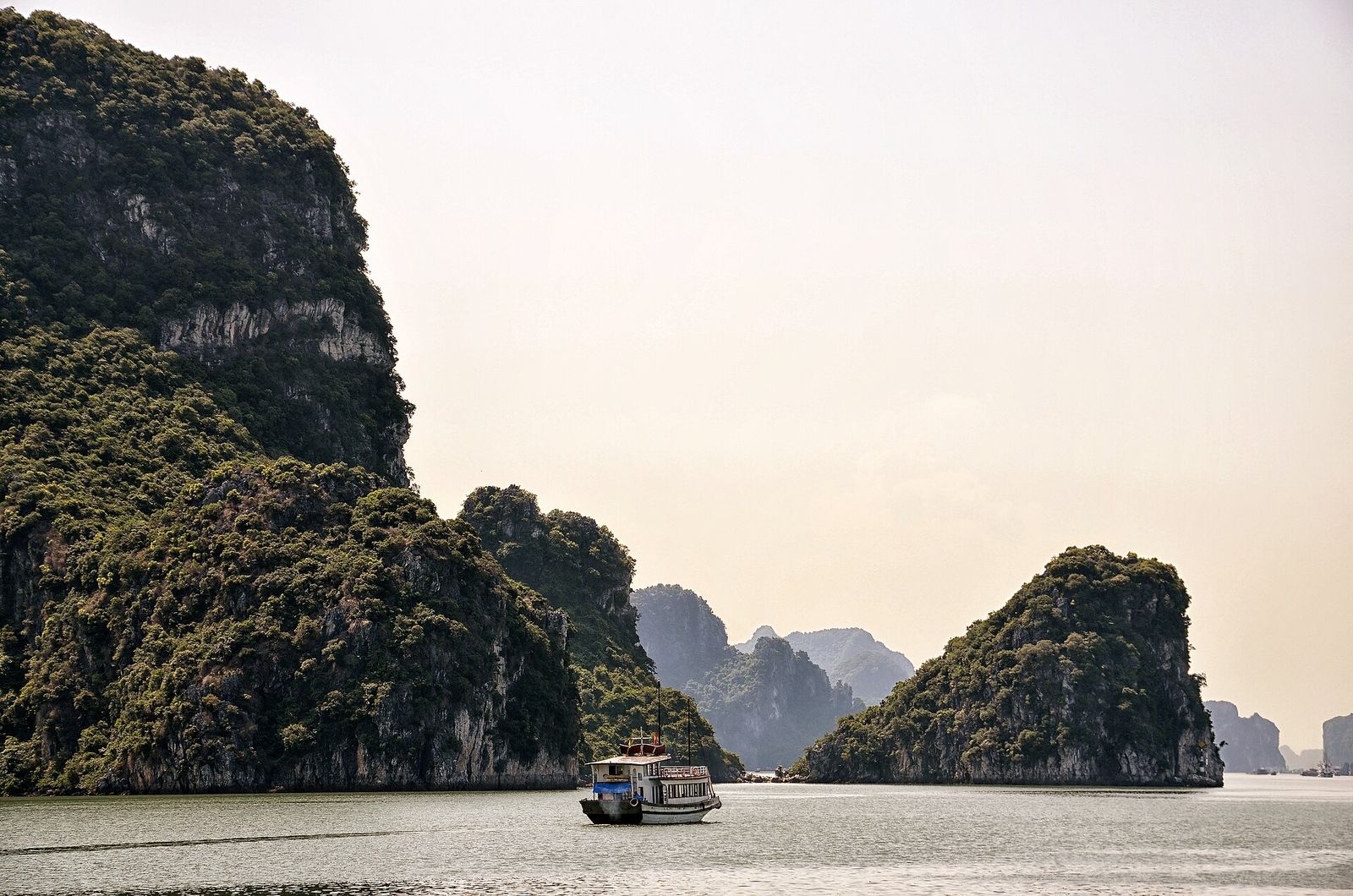
Most visitors explore Ha Long Bay by boat. Day cruises from the mainland visit a few highlights, while overnight cruises, often on wooden junk style boats, go further and allow time for kayaking, swimming and watching sunset and sunrise over the islands. Cruise boats are licensed and operate on approved routes, so itineraries tend to follow similar paths.
Caves
Several caves are open to visitors. Sung Sot Cave, the "Cave of Surprises", is one of the largest, with vast chambers and dramatic rock formations. Thien Cung Cave, the "Heavenly Palace", is known for its stalactites and stalagmites. Lighting in some caves is colourful, which not everyone likes, but the scale of the spaces is impressive.
Kayaking and lagoons
Kayaking is one of the best ways to get close to the islands. On many cruises, guests paddle through low arches into hidden lagoons, enclosed by cliffs, where it is suddenly quiet. Luon Cave is a popular spot. Follow your guide's instructions, wear a life jacket and be aware of boat traffic.
Ti Top Island
Ti Top Island has a small beach and a viewpoint at the top of a steep staircase. The view over the bay from the summit is wide and beautiful, though the island can be crowded in high season.
Beyond Ha Long: Bai Tu Long and Lan Ha
To the northeast, Bai Tu Long Bay has similar limestone scenery with fewer boats, giving a quieter experience. To the south, Lan Ha Bay, near Cat Ba Island, is also less crowded, with beaches, lagoons and kayaking spots. Cat Ba Island itself has a national park with forest trails, caves and the chance to see wildlife, including the critically endangered Cat Ba langur, which lives only here. Some travelers base themselves on Cat Ba and explore Lan Ha Bay from there.
Choosing a cruise
Cruises in Ha Long Bay range from simple boats to more comfortable vessels with private cabins, restaurants and sun decks. Itineraries vary in length, usually from a day trip to two nights, and in the areas they visit. Some focus on the classic sights of central Ha Long, while others head to Bai Tu Long or Lan Ha. Before choosing, look at the route, the number of passengers, what activities are included and whether kayaking or cave visits cost extra. Read recent safety information and check that the operator is licensed. A smaller boat can feel more personal, while a larger one may be more stable in choppy water, theres no single right answer.
Food on board
Meals on overnight cruises often feature seafood from the region, such as squid, prawns and clams, along with Vietnamese classics like spring rolls and pho. Some boats offer cooking classes, where guests learn to make fresh spring rolls, which is a fun way to pass an afternoon on the water. If you have dietary needs, let the operator know well in advance, as supplies on board are limited once the boat leaves port.
Weather and seasons
Northern Vietnam has a distinct seasonal pattern. From around December to March, the weather is cooler, sometimes chilly, with frequent mist and drizzle. The bay can look atmospheric in this light, but swimming is less appealing. From April to June, temperatures rise and the skies are often clearer. Summer, from roughly June to September, is hot and humid, with heavy rain at times.
The typhoon season, roughly from June to October, can bring strong storms. In September 2024, Typhoon Yagi caused serious damage in Quang Ninh Province and across northern Vietnam. During storms, authorities may suspend cruises and close the bay to boats for safety. If you travel in this period, keep your plans flexible and follow official advice.
Getting there
Ha Long City is the main gateway to the bay. From Hanoi, an expressway has shortened the drive to around two and a half to three hours, and many cruises include transfers from the capital. Van Don International Airport, northeast of Ha Long, has domestic flights and some international connections. Tuan Chau, an island linked to the mainland by road, is a major departure point for cruises. Lan Ha Bay is usually reached via Cat Ba Island or from Hai Phong.
Practical tips for a Ha Long Bay trip
- Choose an overnight cruise if you can. Day trips often feel rushed and focus on the busiest spots.
- Compare cruise routes. Some go to quieter areas such as Bai Tu Long or Lan Ha Bay.
- Check the weather and any typhoon warnings before departure, especially from June to October.
- Bring a light jacket for cool evenings in winter and for air conditioned boats.
- Respect fishing communities and do not throw rubbish into the water.
- Carry some cash in Vietnamese dong for small purchases, tips and drinks on the boat.
Questions travellers ask
Is an overnight cruise better than a day trip in Ha Long Bay?
An overnight cruise usually allows more time for kayaking, swimming and quieter areas, and lets you see the bay at sunset and sunrise.
When is typhoon season in Ha Long Bay?
Roughly from June to October. Cruises may be cancelled when storms approach, so check forecasts and official notices.
What is the difference between Ha Long Bay and Lan Ha Bay?
Lan Ha Bay, near Cat Ba Island, has similar scenery but is often less crowded, with beaches and lagoons popular for kayaking.
Clifton Inn is an independent travel information website and does not take bookings. Details such as opening seasons and access can change, so please confirm current information with the relevant provider.
Related stories

Extraordinary Stays · 7 min read
Free Spirit Spheres: Hanging Among the Trees
Qualicum Beach, Vancouver Island, Canada
On Vancouver Island, round wooden spheres suspended from coastal trees offer a treehouse stay unlike any other.
Read More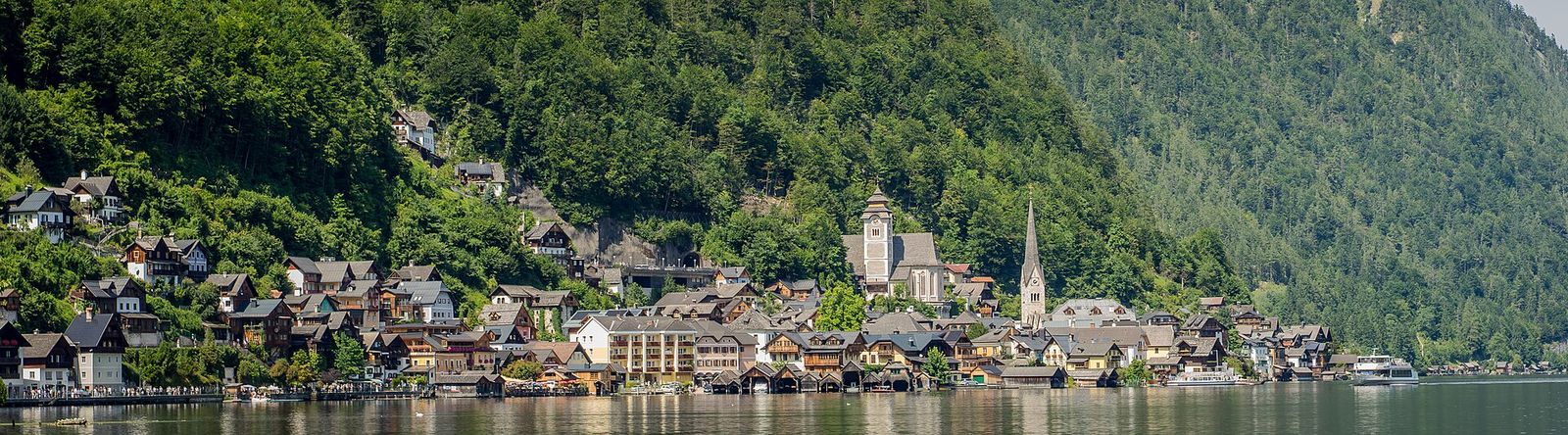
Places Worth the Journey · 7 min read
Hallstatt and the Salzkammergut: Austria's Lakeside Heartland
Hallstatt, Upper Austria
Pair Hallstatt's lakeside lanes with the wider Salzkammergut, where mountain scenery, working towns and clear-water lakes reward a slower itinerary.
Read More
Places Worth the Journey · 7 min read
The Amalfi Coast: A Road, a Shoreline and a Slower Pace
Amalfi, Campania
Explore the Amalfi Coast through its cliffside towns, sea routes and walking paths, with practical advice for making a crowded region feel manageable.
Read More