The Silo Hotel and Cape Town's Reimagined Grain Elevator
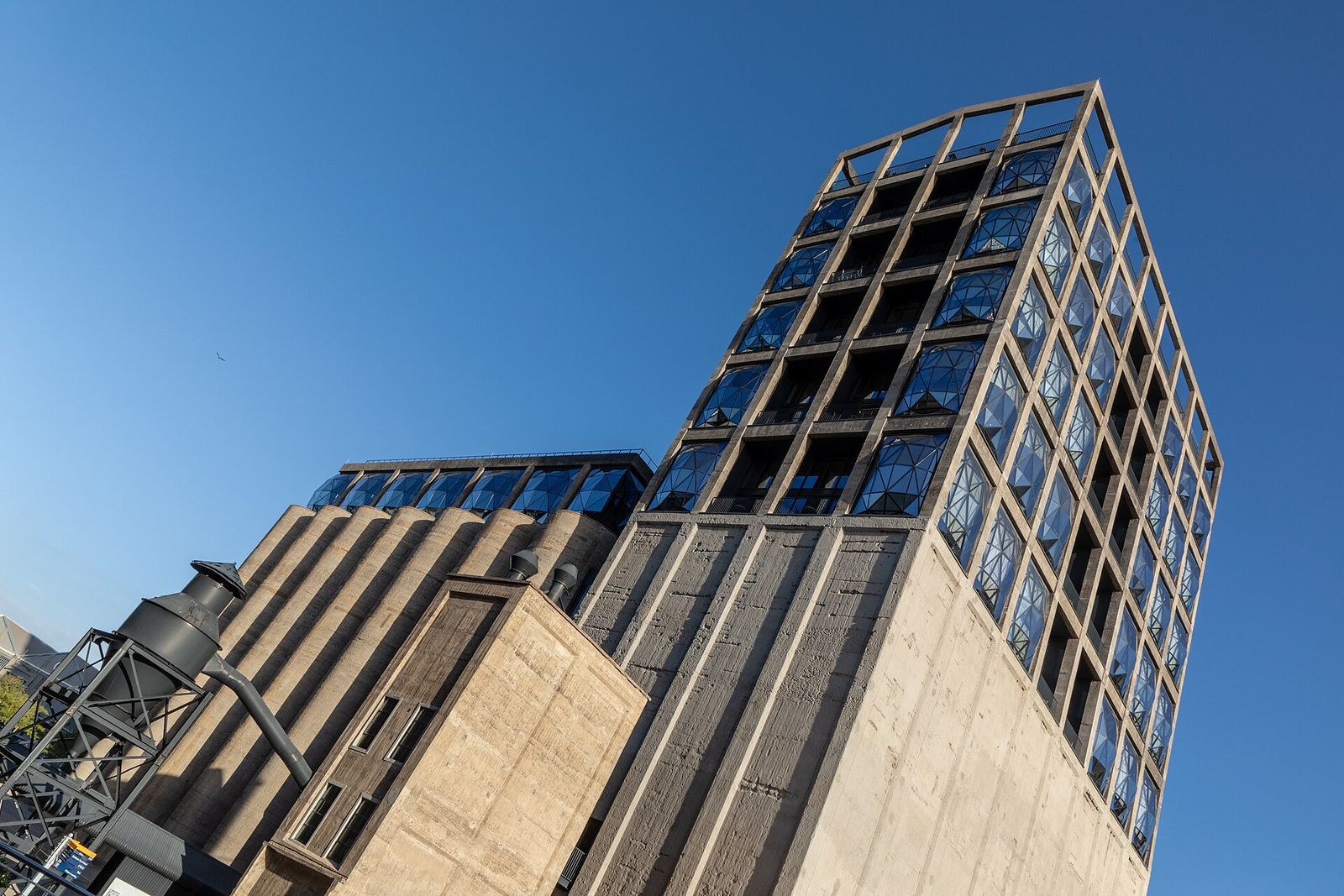
Standing on Cape Town's V&A Waterfront, the old grain silo looks like a monument from another age. Built in the 1920s, it was once one of the tallest structures in the city, used to store and load grain onto ships. Today its upper floors house The Silo Hotel, with bulging, faceted windows that glitter at night like jewels, while the lower part holds Zeitz Museum of Contemporary Art Africa. The building is a striking example of how industrial heritage can be reused, and a lively base for exploring one of the world's most beautiful cities.
From grain elevator to landmark
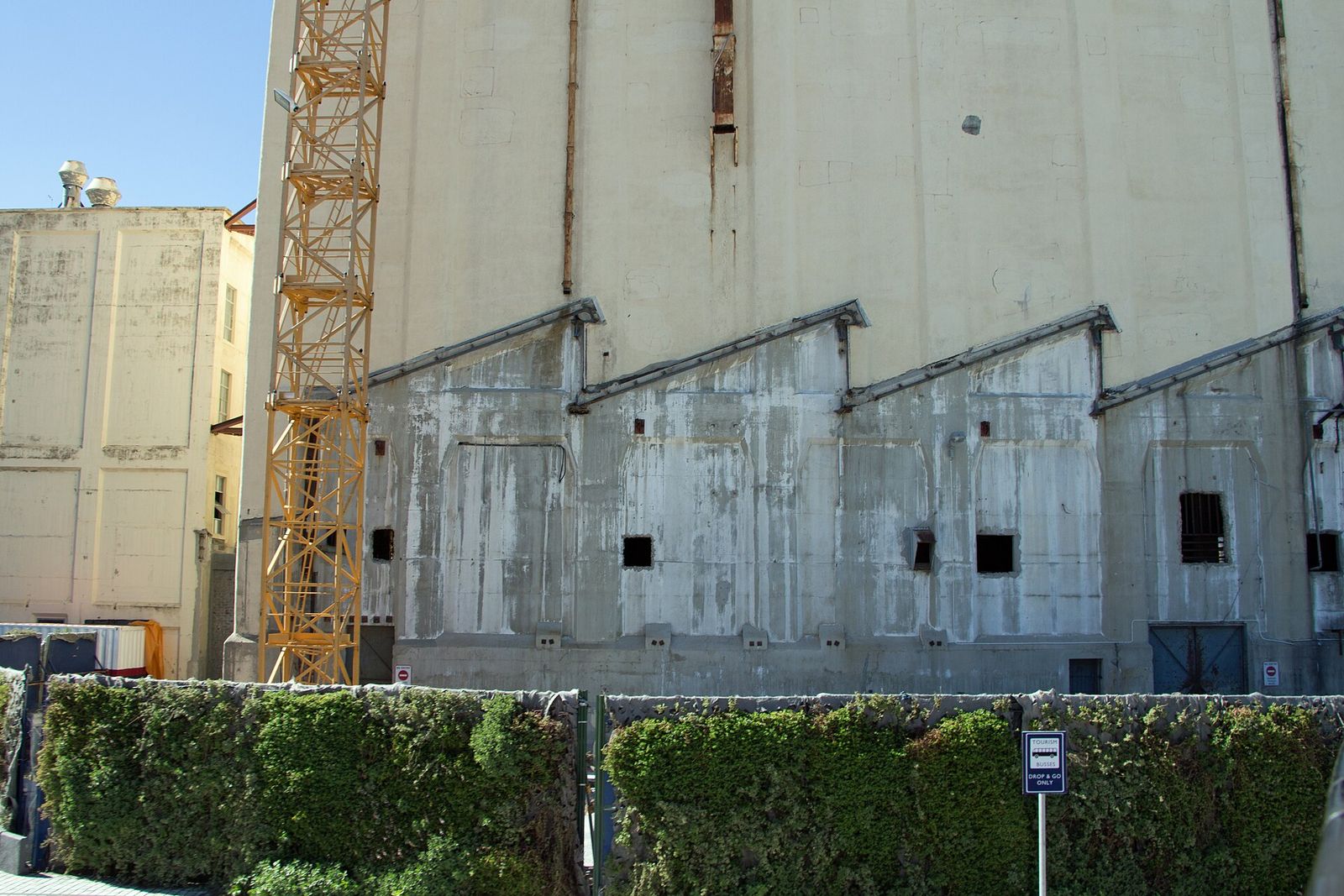
The Grain Silo was completed in 1924 and operated for decades as a key part of the harbour. As shipping changed and the port evolved, the silo fell out of use and stood empty for years. The V&A Waterfront, which developed the old docklands into a mixed area of shops, restaurants, hotels and offices from the late 1980s onwards, eventually decided to give the building a new life.
The transformation was designed by Heatherwick Studio, the London based practice led by Thomas Heatherwick. The architects carved a dramatic atrium into the heart of the silo's concrete tubes, creating a cathedral like space that forms the entrance to the museum. Above, in the tower that once housed grain handling equipment, they inserted new floors for the hotel and added the distinctive pillowed glass windows that bulge outwards from the old concrete frame.
Zeitz MOCAA
Zeitz Museum of Contemporary Art Africa opened in September 2017 and is one of the largest museums dedicated to contemporary art from Africa and its diaspora. Its galleries occupy many floors of the silo, with exhibitions that change regularly. The atrium, with its curved concrete walls, is a powerful space in its own right, even before you look at the art. Check current exhibitions, opening hours and ticket details on the museum's official website.
The Silo Hotel
The Silo Hotel opened in 2017 and is part of The Royal Portfolio, a South African group of hotels. Its rooms occupy the floors above the museum, each with large windows looking out over Table Mountain, the harbour, the city or the Atlantic. The interiors mix contemporary design with colorful furniture, art and antiques, and the overall effect is bold and playful rather than minimal. On the rooftop, a pool and bar offer views across the city, and at night the windows of the building glow, turning the silo into a lantern on the waterfront.
A building that changes with the light
From outside, the glass windows reflect the sky by day. At sunset they catch gold and orange tones, and after dark, lit from within, they make the building visible across the harbour. It is worth seeing the silo at different times, from the water, from the waterfront promenade and from higher ground in the city, to appreciate how it fits in.
The V&A Waterfront
The V&A Waterfront is one of Cape Town's busiest areas, with shops, restaurants, the Two Oceans Aquarium, markets and a working harbour where fishing boats, tugs and ferries come and go. The Watershed, a large market space, sells crafts and design from South Africa and across the continent. Walking around the quays, you may see Cape fur seals lounging on platforms near the boats.
Robben Island
Ferries to Robben Island leave from the Nelson Mandela Gateway at the Waterfront. The island, a UNESCO World Heritage Site since 1999, was used for centuries as a place of banishment and imprisonment, and it is best known as the place where Nelson Mandela was held for 18 of his 27 years in prison. Tours are often led by former political prisoners, and they give a deeply moving account of the island's history. Tickets can sell out, and boats are sometimes cancelled because of weather, so book ahead and keep some flexibility.
Exploring Cape Town
Cape Town is a city of dramatic settings. Table Mountain rises directly behind the city bowl, with a cableway to the top and hiking routes for the fit. On a clear day, the view from the summit stretches to the Cape Peninsula and the ocean. The mountain is often covered in a "tablecloth" of cloud, and the cableway can close in strong winds, so check before you go.
Bo Kaap and the city center
The Bo Kaap neighborhood, on the slopes of Signal Hill, is known for its brightly colored houses and its strong Cape Malay heritage, with mosques, spice shops and traditional food. Visitors are welcome, but remember that it is a residential area and that residents have raised concerns about crowds and photography. In the city center, the Company's Garden, the Iziko museums and the District Six Museum tell stories of colonial history, apartheid and forced removals.
The peninsula and beyond
Further afield, Kirstenbosch National Botanical Garden, on the eastern slopes of Table Mountain, is one of the great botanical gardens of the world, with collections of South African plants and a canopy walkway known as the Boomslang. The Cape Peninsula drive leads past Chapman's Peak, Boulders Beach with its African penguin colony and Cape Point. The winelands of Stellenbosch and Franschhoek are about an hour's drive from the city.
Food and drink in the city
Cape Town's food scene is varied and lively, reflecting the many cultures that shaped the city. Cape Malay cooking brings dishes like bobotie, a spiced minced meat bake, and fragrant curries. Seafood is a highlight, from fish and chips at harbour shacks in Kalk Bay or Hout Bay to fine dining restaurants. The Waterfront itself has a wide range of restaurants, cafés and food markets, and the Oranjezicht City Farm Market, held on weekends near the Waterfront, sells local produce and street food. South African wines, especially from the nearby winelands, appear on almost every menu, and trying a local Chenin Blanc or Pinotage is part of the experience. Tipping is customary in restaurants, usually around ten to fifteen percent, which many visitors forget at first, so its worth keeping in mind.
Safety and common sense
Like any large city, Cape Town has areas where visitors should be careful, particularly at night. The Waterfront itself is generally well managed and busy, but keep valuables out of sight, use registered transport after dark and ask your hotel for local advice, specially when heading to unfamiliar neighborhoods or trailheads.
When to go
Cape Town has a Mediterranean climate. Summer, from December to February, is warm and dry, with long days and the strong southeasterly wind locals call the Cape Doctor. It is also the busiest season. Autumn, from March to May, often brings calmer weather and is a lovely time to visit. Winter, from June to August, is cooler and wetter, with green landscapes, fewer visitors and the start of whale watching season along the coast. Spring, from September to November, brings wildflowers in the wider region and pleasant temperatures.
Getting there
Cape Town International Airport is around 20 to 30 minutes from the Waterfront by road, depending on traffic. Ride hailing apps and taxis are widely used, and the MyCiTi bus network connects the airport and parts of the city. Within the Waterfront, everything is walkable, and it is a good base for day trips by car or with tours.
Practical tips for a stay at the silo
- Book Robben Island tickets in advance, and check sailing conditions on the day.
- Visit Zeitz MOCAA early in the day, when the atrium is quieter.
- Check weather and wind for the Table Mountain cableway before heading up.
- Use registered taxis or ride hailing apps at night rather than walking long distances in unfamiliar areas.
- Pack layers. Even in summer, the wind can make evenings on the waterfront feel cool.
- Be respectful in residential areas like Bo Kaap, and ask before photographing people.
Questions travellers ask
Can I visit Zeitz MOCAA without staying at The Silo Hotel?
Yes. The museum is open to the public, with its own tickets and opening hours, separate from the hotel.
How do I get to Robben Island?
Ferries depart from the Nelson Mandela Gateway at the V&A Waterfront. Book ahead, as boats can sell out or be cancelled in bad weather.
What is the best season to visit Cape Town?
Summer is warm and dry but busy and windy. Autumn and spring are often quieter, with pleasant weather.
Clifton Inn is an independent travel information website and does not take bookings. Details such as opening seasons and access can change, so please confirm current information with the relevant provider.
Related stories
Extraordinary Stays · 7 min read
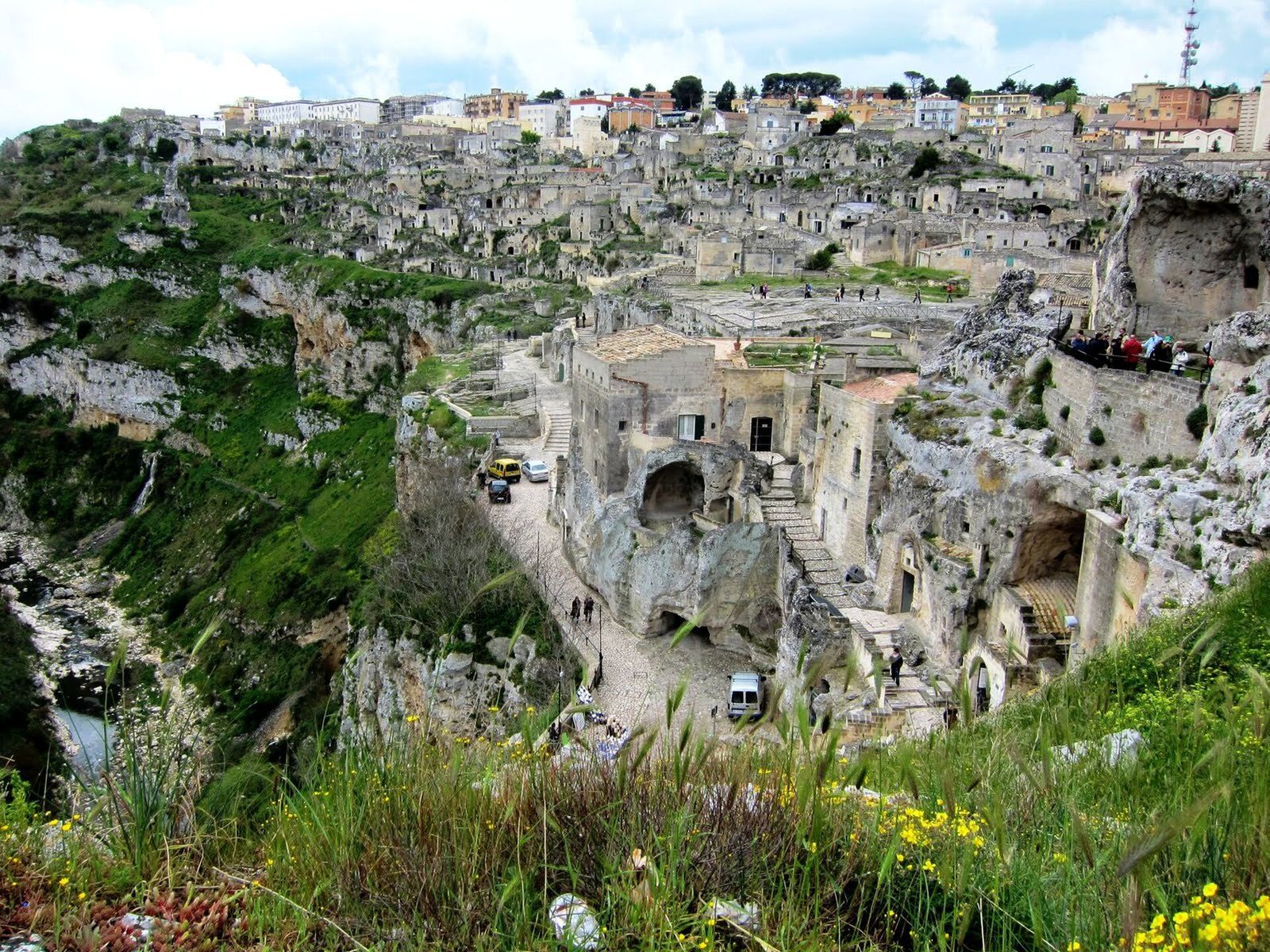
Sleeping in Stone: The Sassi of Matera
Matera, Basilicata, Italy
Once abandoned, Matera's ancient cave districts are now home to guesthouses and hotels set inside rooms carved from the rock.
Read More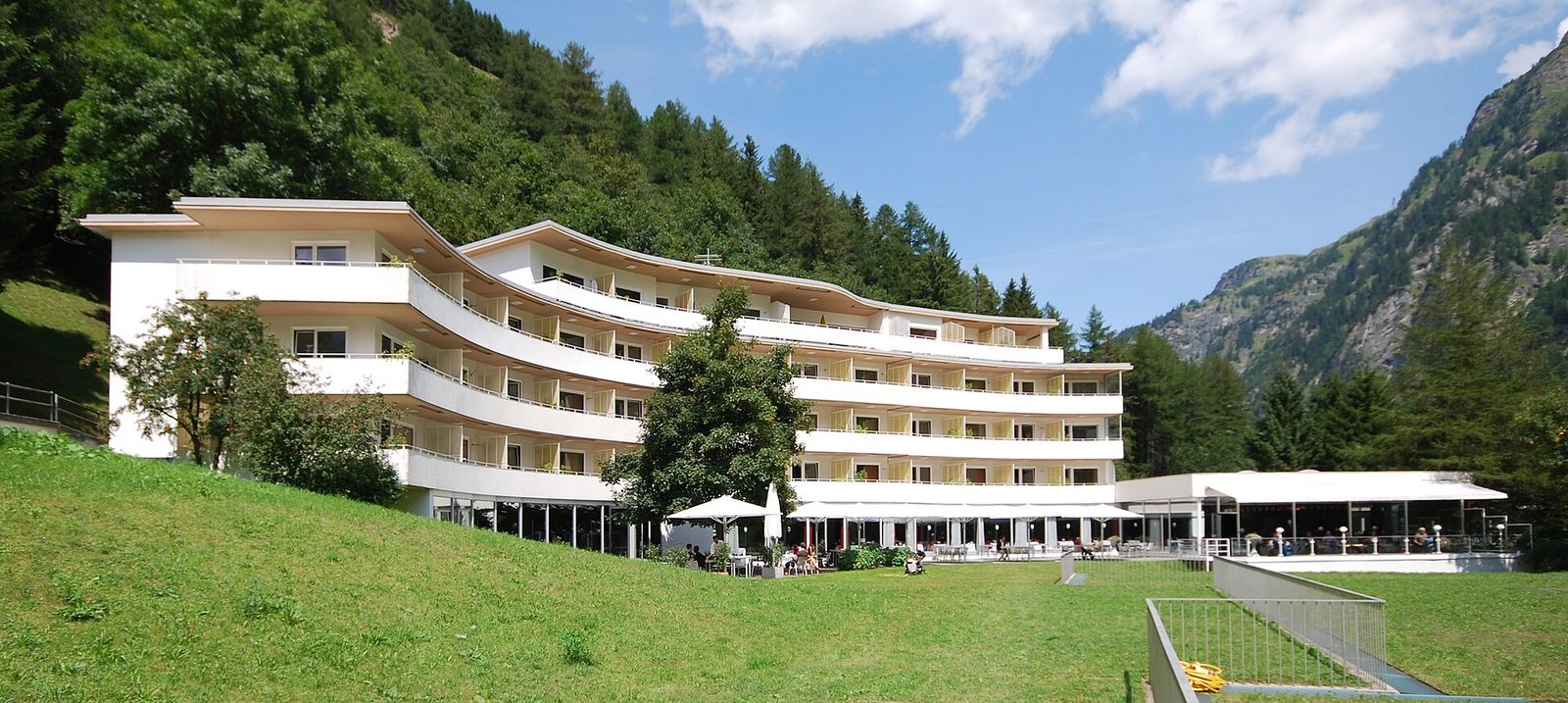
Design Hotels · 7 min read
7132 Hotel and the Quiet Drama of Therme Vals
Vals, Graubünden, Switzerland
In the Swiss village of Vals, Peter Zumthor's stone thermal baths shape a stay around water, mountain light and measured silence.
Read More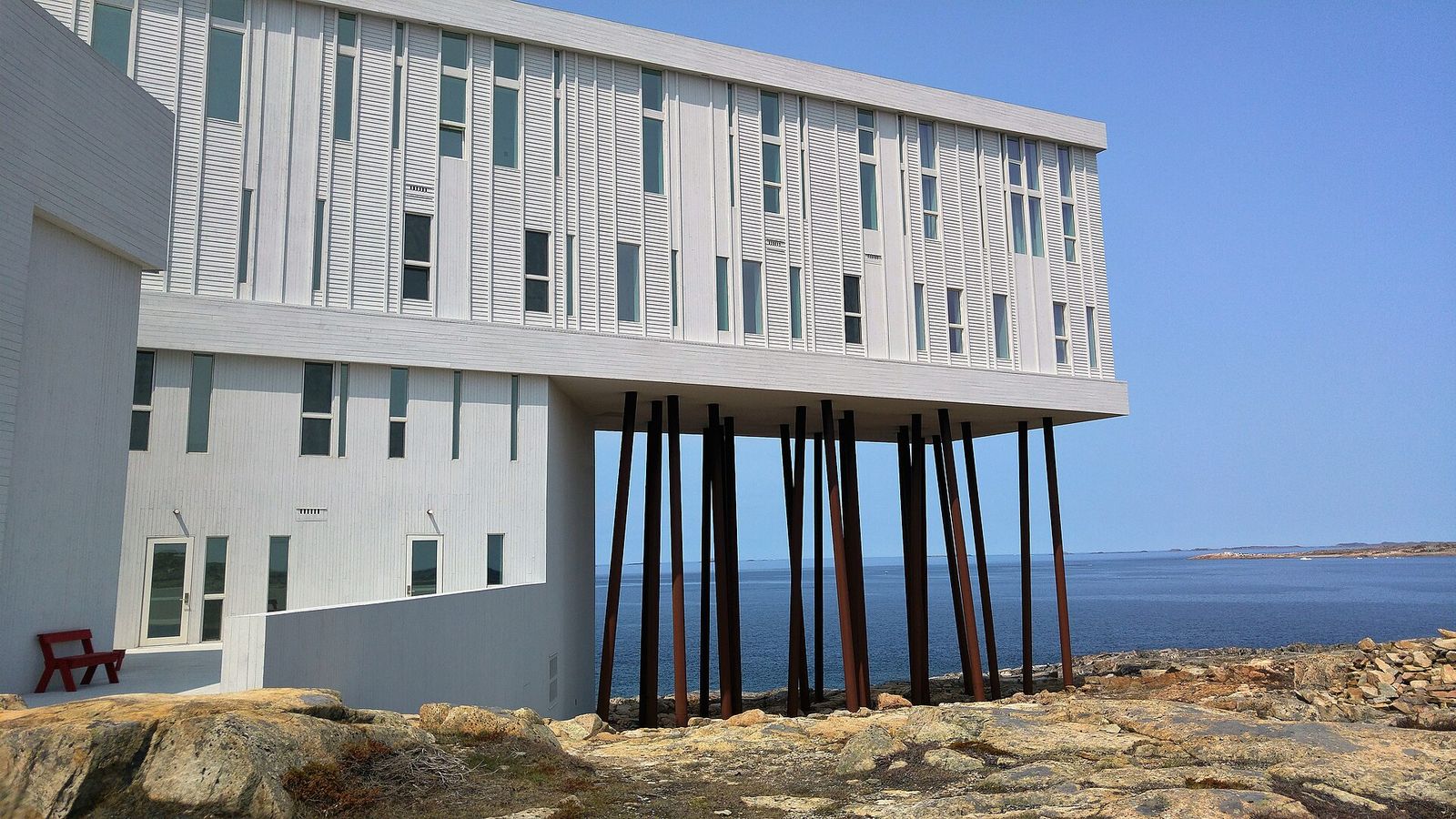
Design Hotels · 7 min read
Fogo Island Inn at the Edge of Newfoundland
Joe Batt's Arm, Newfoundland and Labrador, Canada
A striking contemporary inn on Newfoundland's Fogo Island connects a remote Atlantic setting with community, craft and expansive sea views.
Read More