Fogo Island Inn at the Edge of Newfoundland
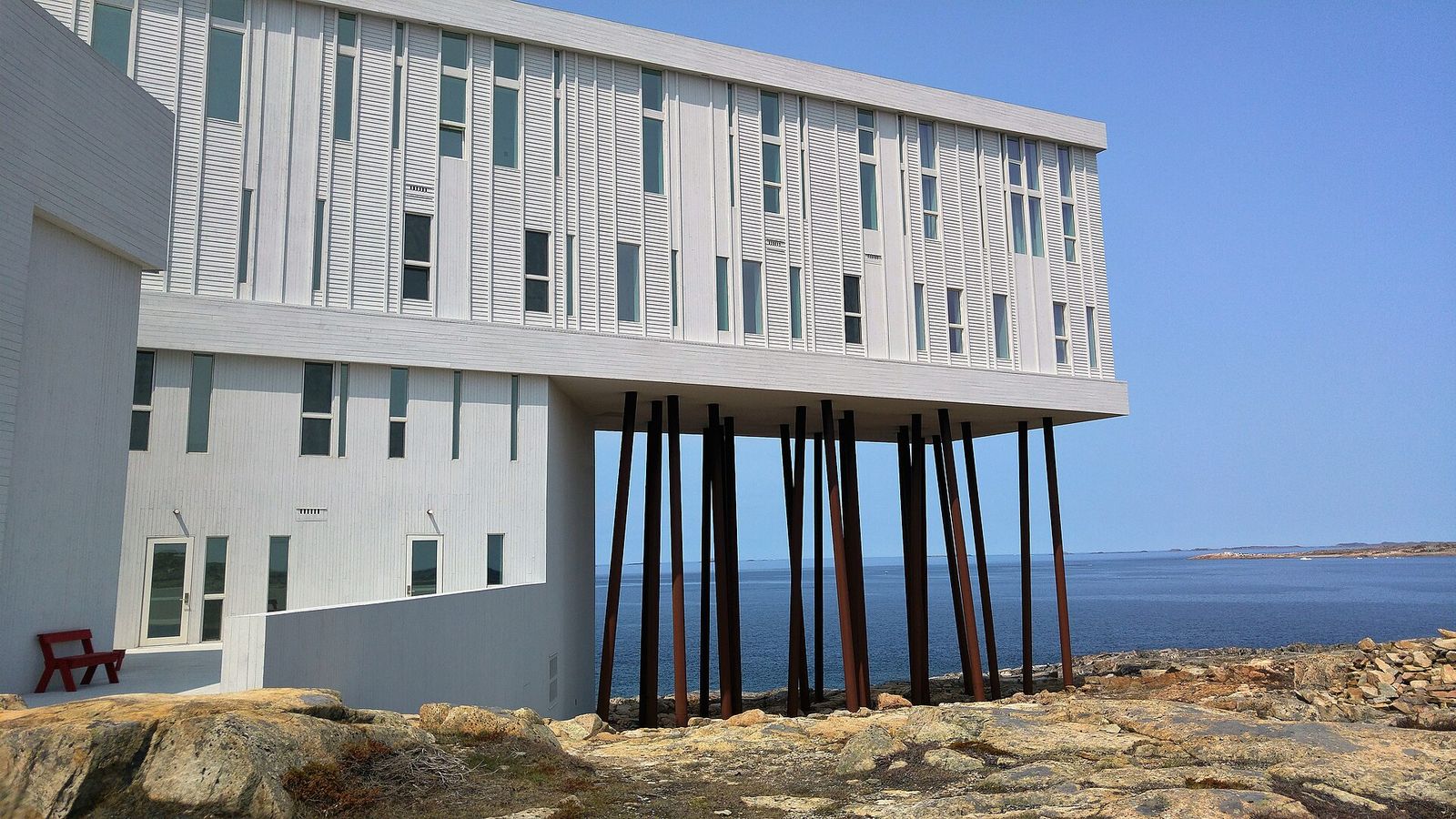
Fogo Island Inn stands on stilts at the edge of the North Atlantic, a long white building that looks a little like a ship that has come ashore and decided to stay. Its broad windows look out over rocks, ocean and, in spring, icebergs drifting down from the Arctic. The inn is striking to look at, but its real story lies in the island around it, a group of small fishing communities off the northeast coast of Newfoundland, and in a bold idea about how a hotel could help a place survive.
An island shaped by fishing
Fogo Island is the largest of the offshore islands of Newfoundland, about 25 kilometres long, with a scattering of small communities along its coast. For centuries, life here revolved around the inshore cod fishery. Families fished from small boats, salted and dried their catch on wooden flakes, and lived in brightly painted saltbox houses facing the sea. Many of the early settlers came from the southwest of England and the southeast of Ireland, and their accents and traditions are still heard today.
In 1992 the Canadian government declared a moratorium on northern cod fishing, after cod stocks collapsed. It was a devastating blow to Newfoundland's outport communities, Fogo Island included. Jobs disappeared, young people left and the future of many villages became uncertain.
Shorefast and a different kind of hotel
Zita Cobb, who grew up on Fogo Island and later had a successful career in the technology industry, returned with her brothers to try to help. Together they founded Shorefast, a registered charity, with the aim of building cultural and economic resilience on the island. Fogo Island Inn, which opened in 2013, is one of its central projects. The inn is owned by the charity, and its surpluses are reinvested into the community. It was designed, from the start, to be a tool for local wellbeing, not just a luxury hotel.
Architecture on stilts
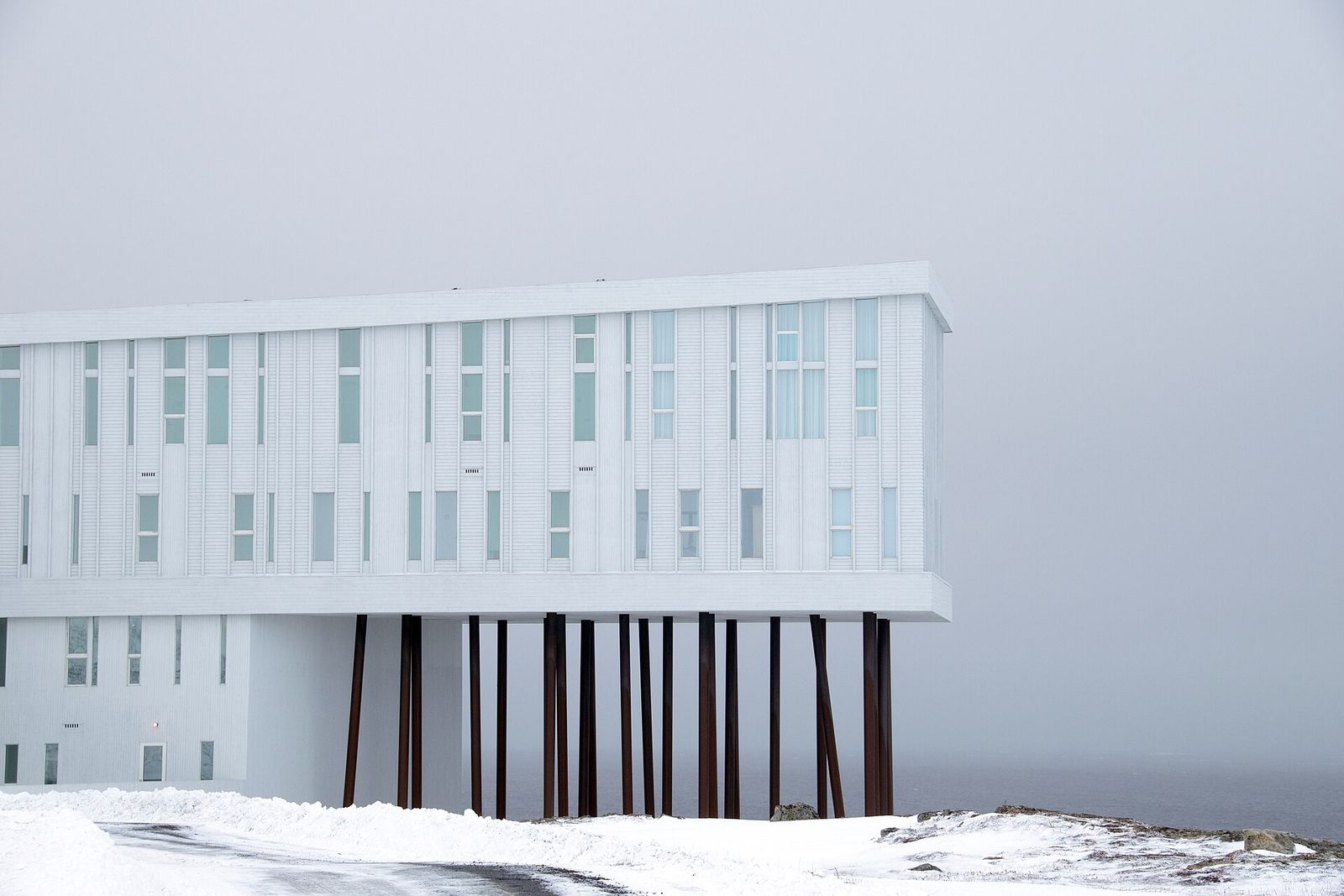
The inn was designed by Todd Saunders, an architect born in Newfoundland and based in Norway. Its long, cross shaped form sits lightly on the rocky ground, held up by thin columns, a nod to the traditional fishing stages that stand on stilts above the water around the island. The building has 29 guest rooms, each facing the ocean through floor to ceiling windows.
Inside, the interiors are filled with furniture, quilts and textiles made on the island, many of them created in collaboration between local makers and international designers. Wallpapers, chairs and lamps have been produced through Fogo Island Workshops, another part of the Shorefast effort to support local craft. The result is a space that feels contemporary, yet clearly rooted in the place.
The art studios
Scattered around the island are several small studio buildings, also designed by Saunders, used by artists in residence through the Fogo Island Arts programme. They stand alone on rocks or by ponds, each with its own sculptural shape. While the studios are working spaces and not always open, seeing them in the landscape, even from a distance, is one of the pleasures of exploring the island.
The seven seasons
Fogo Island Inn describes the island's year as having seven seasons rather than four. Alongside winter, spring, summer and late fall, there are pack ice, when Arctic ice drifts close to the coast, trap berth, when fishers set cod traps in late spring and early summer, and berry season, when hillsides are covered with blueberries, partridgeberries and bakeapples. Thinking of the year this way helps visitors understand how closely life here follows the ocean and the weather.
Icebergs and whales
In spring and early summer, icebergs often drift south along the coast of Newfoundland in a stretch known as Iceberg Alley. Fogo Island is one of the places where they can sometimes be seen close to shore. Whales, including humpbacks, often feed in the waters around Newfoundland in summer, and seabirds are abundant. Sightings depend on the year, the season and chance, so treat them as a gift rather than a certainty.
Exploring Fogo Island
Each community on the island has its own character. Joe Batt's Arm, where the inn stands, is a small fishing village with colorful houses and a harbour full of boats. Tilting, on the eastern side, is known for its Irish heritage and has been designated a provincial historic district, with traditional houses, fishing stages and fields. Fogo, on the northwest, is home to Brimstone Head, a rocky headland that a local tradition proudly calls one of the "four corners of the flat earth". The climb up the stairs is short and the view is wonderful, whatever you believe about the planet.
Walking trails lead along cliffs, coves and old settlements. Many visitors also take boat trips with local fishers, learn about the cod fishery and try traditional food such as cod, moose, seafood and berries. The island moves at its own pace, and a conversation in a shop or on a wharf can turn into an hour without anyone noticing.
Community hosts
The inn has offered community host experiences, where islanders show guests around, share stories and introduce them to local life. This connection is central to the inn's purpose, and it gives visitors a sense of the island that is hard to get any other way.
Food from the island and the sea
Food at the inn draws heavily on what the island and the surrounding waters provide. Cod, of course, appears often, along with other seafood, wild game, foraged plants and berries, depending on the season. Traditional Newfoundland dishes such as fish and brewis, made with salt cod and hard bread, are part of the local heritage, and you may come across toutons, fried dough often served with molasses, at breakfast in island homes and cafés. Outside the inn, the island has a few small cafés, bakeries and shops, though opening hours can be limited outside summer. If you are exploring on your own, its smart to carry snacks and water, because the next open café might be further then you think.
When to go
Summer, roughly from late June to August, is the warmest and busiest period, with long days, berry picking towards the end of the season and the best chance for boat trips. Spring brings icebergs, but also cold weather and fog. Autumn has changing colors and dramatic storms. Winter is cold, snowy and wild, with pack ice sometimes visible offshore, and the island is very quiet. Some services operate seasonally, so check what will be open before planning a winter visit.
Getting there
Most visitors fly to Gander, on the island of Newfoundland, then drive to the ferry terminal at Farewell, a journey of about an hour and a half. From Farewell, a car ferry runs to Fogo Island in roughly 45 minutes, depending on the route and the weather. Ferries can be delayed or cancelled in bad weather or heavy ice, so build some flexibility into your plans. Ask about current schedules and whether reservations are needed in busy periods.
Practical tips for a Fogo Island Inn stay
- Pack warm, windproof clothing in every season. The weather can change quickly on the coast, even in July.
- Allow extra time for the ferry, and check sailing times close to your travel date.
- Ask about community host experiences and guided activities in advance, so you can plan your days.
- Bring good walking shoes for the coastal trails, which can be rocky and wet.
- Leave space in your plans for slow, unplanned time. The island rewards those who linger.
- Respect private property around fishing stages and homes, and always ask before photographing people.
Questions travellers ask
Who owns Fogo Island Inn?
The inn is owned by Shorefast, a registered charity, which reinvests surpluses into the Fogo Island community.
How do I get to Fogo Island?
Fly to Gander, drive about an hour and a half to Farewell, then take the car ferry to Fogo Island, which takes around 45 minutes.
When can I see icebergs from Fogo Island?
Icebergs are most often seen in spring and early summer, though sightings vary greatly from year to year.
Clifton Inn is an independent travel information website and does not take bookings. Details such as opening seasons and access can change, so please confirm current information with the relevant provider.
Related stories
Extraordinary Stays · 7 min read
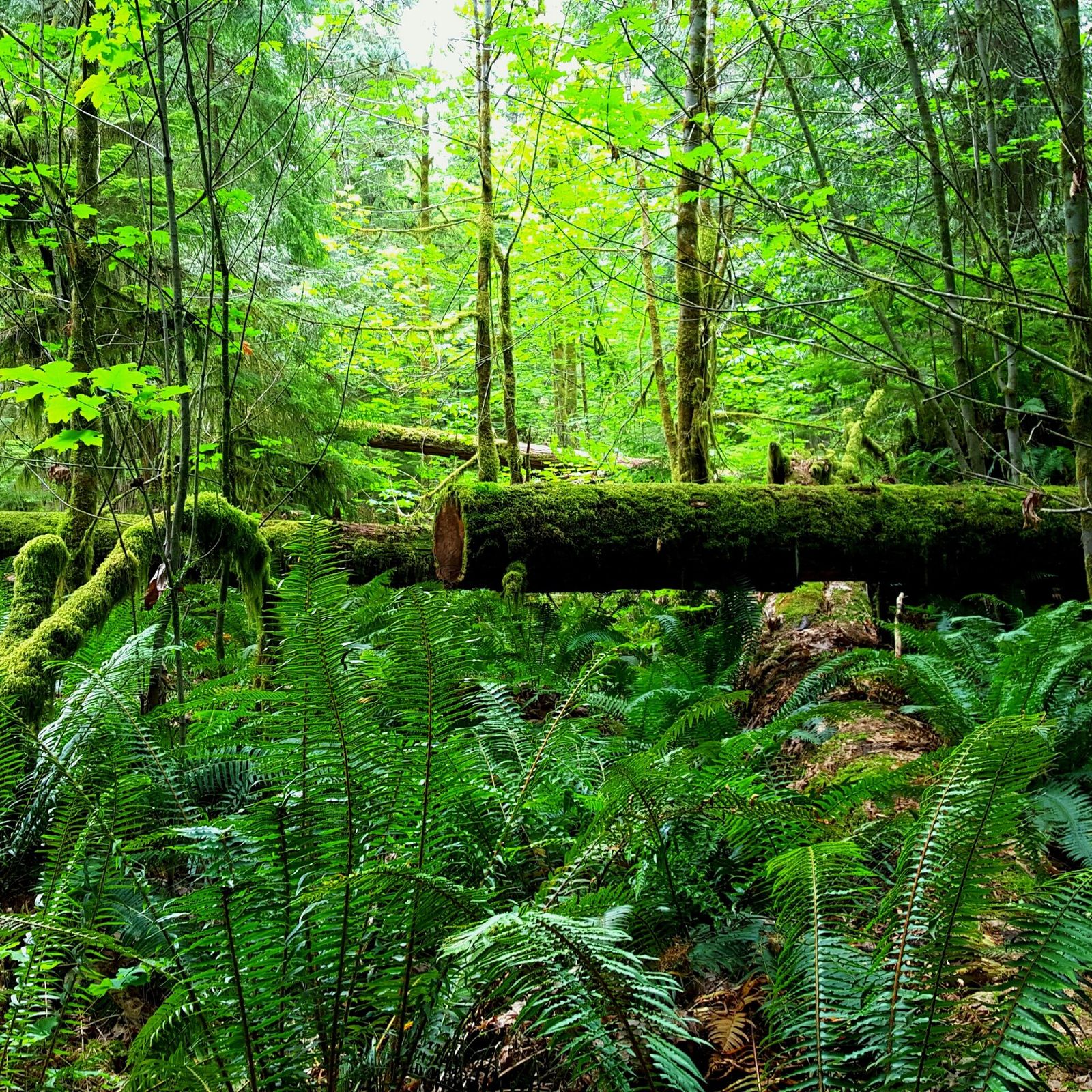
Free Spirit Spheres: Hanging Among the Trees
Qualicum Beach, Vancouver Island, Canada
On Vancouver Island, round wooden spheres suspended from coastal trees offer a treehouse stay unlike any other.
Read More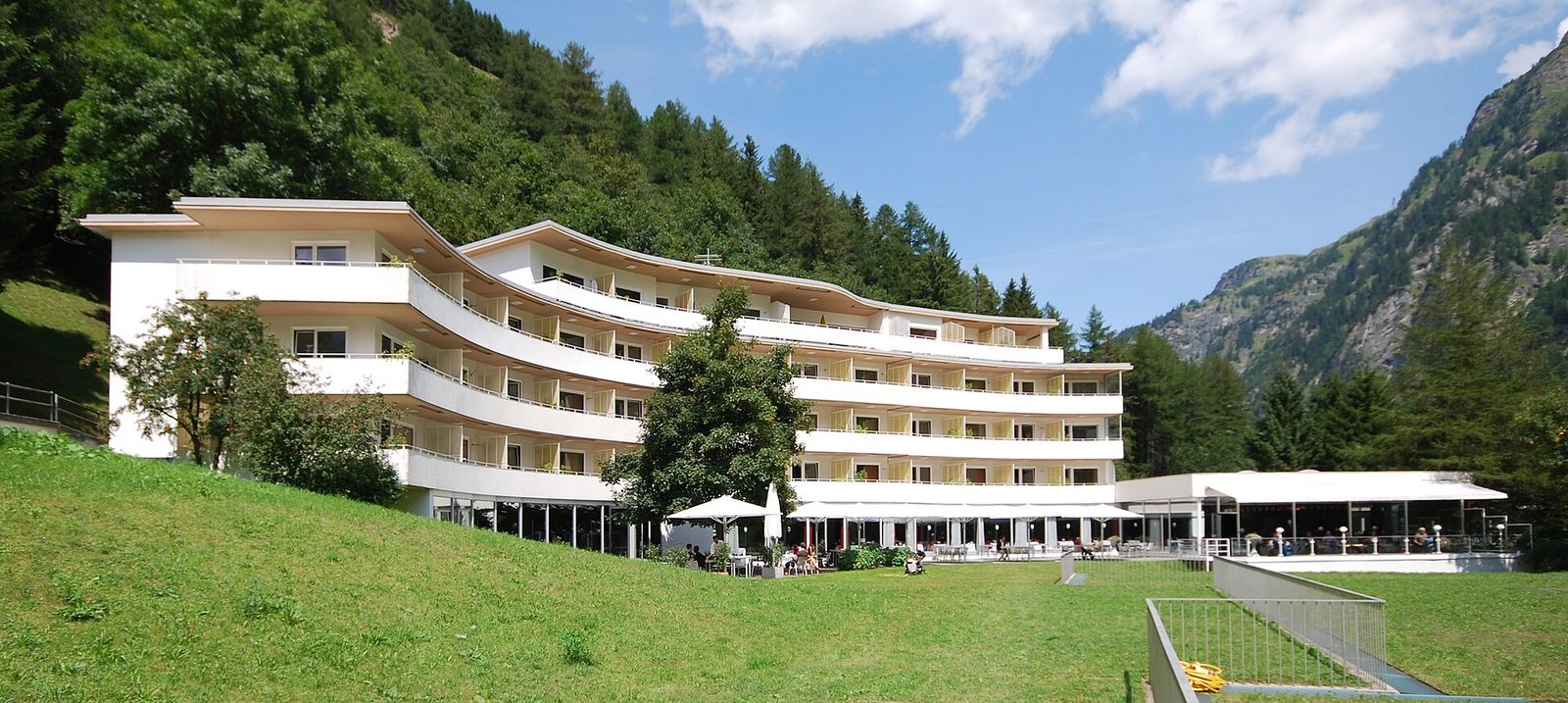
Design Hotels · 7 min read
7132 Hotel and the Quiet Drama of Therme Vals
Vals, Graubünden, Switzerland
In the Swiss village of Vals, Peter Zumthor's stone thermal baths shape a stay around water, mountain light and measured silence.
Read More
Design Hotels · 7 min read
Hotel Marqués de Riscal in Rioja's Elciego
Elciego, Álava, Spain
Frank Gehry's sculptural hotel rises above a historic Rioja winery, pairing an expressive landmark with the vineyards of Elciego.
Read More