Lord Howe Island: A Small-Scale Escape in the Tasman Sea
Lord Howe Island is small enough to cycle around in a day, yet it feels like a world of its own. It sits in the Tasman Sea about 600 kilometres east of the Australian mainland, a crescent of green hills, sheltered lagoon and two dramatic mountains rising almost straight out of the ocean. Only a limited number of tourists can stay on the island at any one time, which gives it an unhurried, almost old fashioned atmosphere. For travellers looking for a quiet, nature focused escape, few places in Australia compare.
A World Heritage island
The Lord Howe Island Group was inscribed on the UNESCO World Heritage List in 1982, recognised for its outstanding natural beauty and its unusual ecosystems. The island is the eroded remnant of a shield volcano that formed around seven million years ago. Wind and sea have worn most of it away, leaving the two peaks of Mount Gower and Mount Lidgbird at the southern end, rolling hills in the north, and a long lagoon fringed by coral reef on the western side.
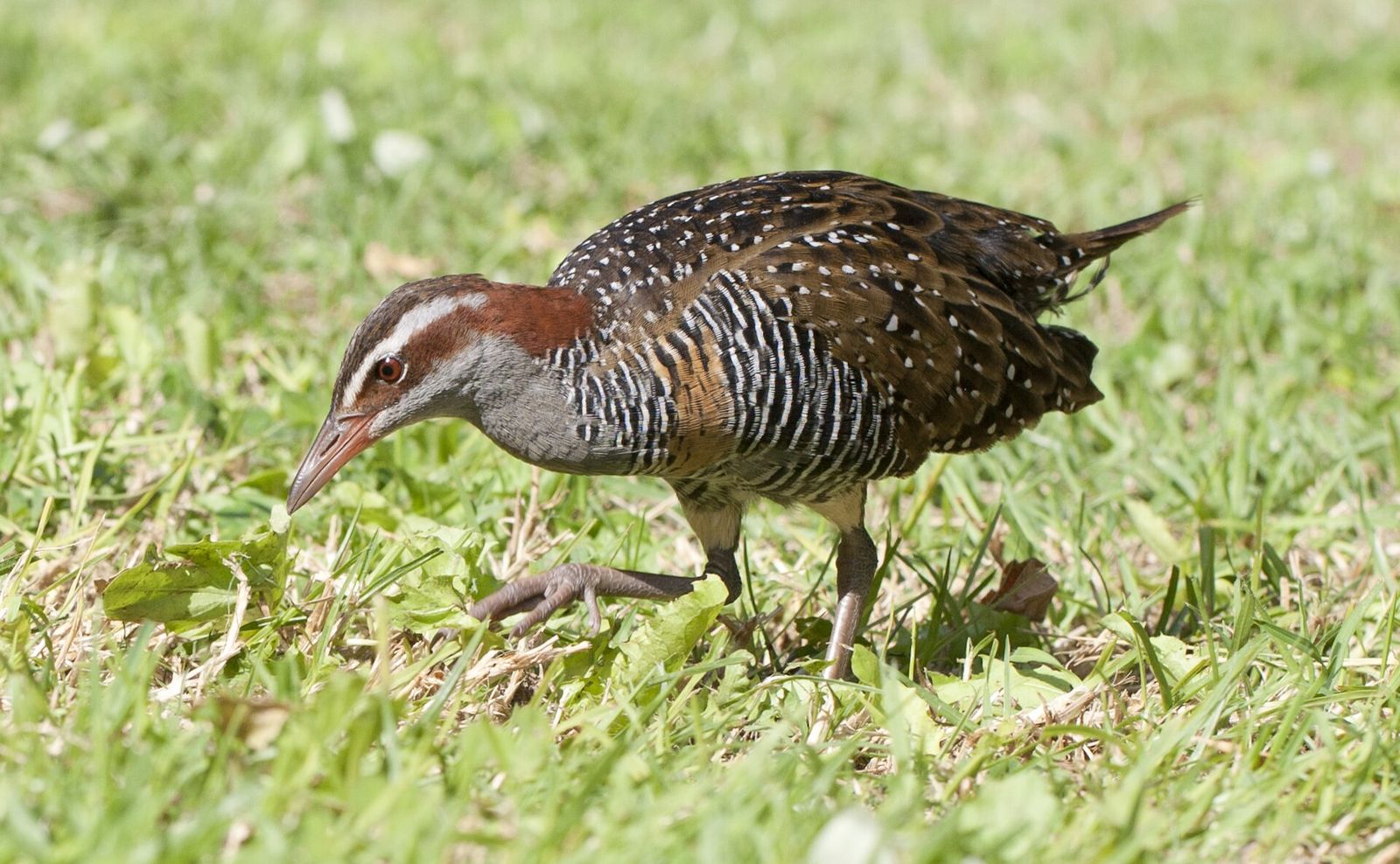
Because it has been isolated for so long, the island has many plants and animals found nowhere else. The Lord Howe woodhen, a small, flightless bird, came close to extinction in the 1970s before a captive breeding programme helped it recover. The Lord Howe Island phasmid, a large stick insect, was thought to be extinct until a tiny population was discovered on Ball's Pyramid, a sea stack off the coast, in 2001. Stories like these explain why conservation is taken so seriously here.
Keeping the island wild
In 2019 the island undertook a large rodent eradication project, aimed at removing introduced rats and mice that had damaged birds, insects and plants for a century. Visitors will notice the results in the healthy birdlife, and also in the strict biosecurity rules. You may be asked to check bags, shoes and equipment for seeds, soil and pests before you travel, and certain items cannot be brought onto the island.
A limit on visitors
Lord Howe is famous for keeping tourism at a gentle scale. The number of visitors staying on the island at any one time is capped at around 400, and accommodation is limited to a modest number of lodges, guesthouses and self contained apartments. There are no large resorts and no high rise buildings. Much of the island is protected as a Permanent Park Preserve.
That cap shapes the whole experience. Beaches are rarely crowded, paths are quiet, and in the evening the island goes still. It also means accommodation and flights can fill up early in popular periods, so planning well ahead is wise. Its not a place for spontaneous trips in peak season.
Getting around
Most people move around on foot or by bicycle. Bikes are widely available to hire, and the island's roads are narrow and lightly used, with a low speed limit. There are only a small number of cars, mostly belonging to residents and businesses. Cycling from the airport end to Ned's Beach or along the lagoon road is part of the daily rhythm, and many lodges provide bikes for guests.
Mobile phones and switching off
For many years, Lord Howe had no mobile coverage at all, and connectivity is still more limited than on the mainland. Wi Fi is available at many lodges and some public places. It is worth checking current arrangements with your accommodation if staying in touch matters, though plenty of visitors find a slower connection is actually part of the charm.
The lagoon and the reef
The island's lagoon is protected by the southernmost true coral reef in the world, part of the Lord Howe Island Marine Park. The water is clear, calm and often a vivid turquoise, perfect for snorkelling, glass bottom boat trips and paddling. Corals here share space with species from cooler waters, which gives the reef a slightly different character from tropical reefs further north.
At Ned's Beach, on the eastern side, fish gather in the shallows, including large kingfish and mullet, and you can sometimes see turtles from the shore. Fish feeding was once common here, but rules about it have changed over time, so follow the signs and current guidance on the beach. North Bay, Old Gulch and the waters around Blackburn Island are other popular snorkelling spots, many reached on boat trips with local operators.
Diving and boat trips
Further offshore, the waters around Ball's Pyramid and the Admiralty Islands offer diving with a mix of tropical and temperate marine life. Trips depend heavily on sea conditions. Local operators are best placed to advise what is possible during your stay.
Walking on Lord Howe
Walking is one of the island's great pleasures, with tracks for almost every level of fitness. Short walks lead to lookouts over the lagoon and along clifftops where seabirds nest. Longer routes include Malabar Hill and Kims Lookout in the north, which give some of the best views over the island and the two southern peaks.
Mount Gower
The climb up Mount Gower, at 875 metres the island's highest point, is often described as one of the best day walks in Australia. It is steep and demanding, with sections that require ropes, and it takes most of a day. Because of the terrain and the sensitive environment, the walk may only be undertaken with a licensed guide. At the summit, a misty forest of mosses, palms and endemic plants feels quite unlike anywhere else on the island. If you are reasonably fit and comfortable with exposure, it is a highlight worth planning around.
Birds everywhere
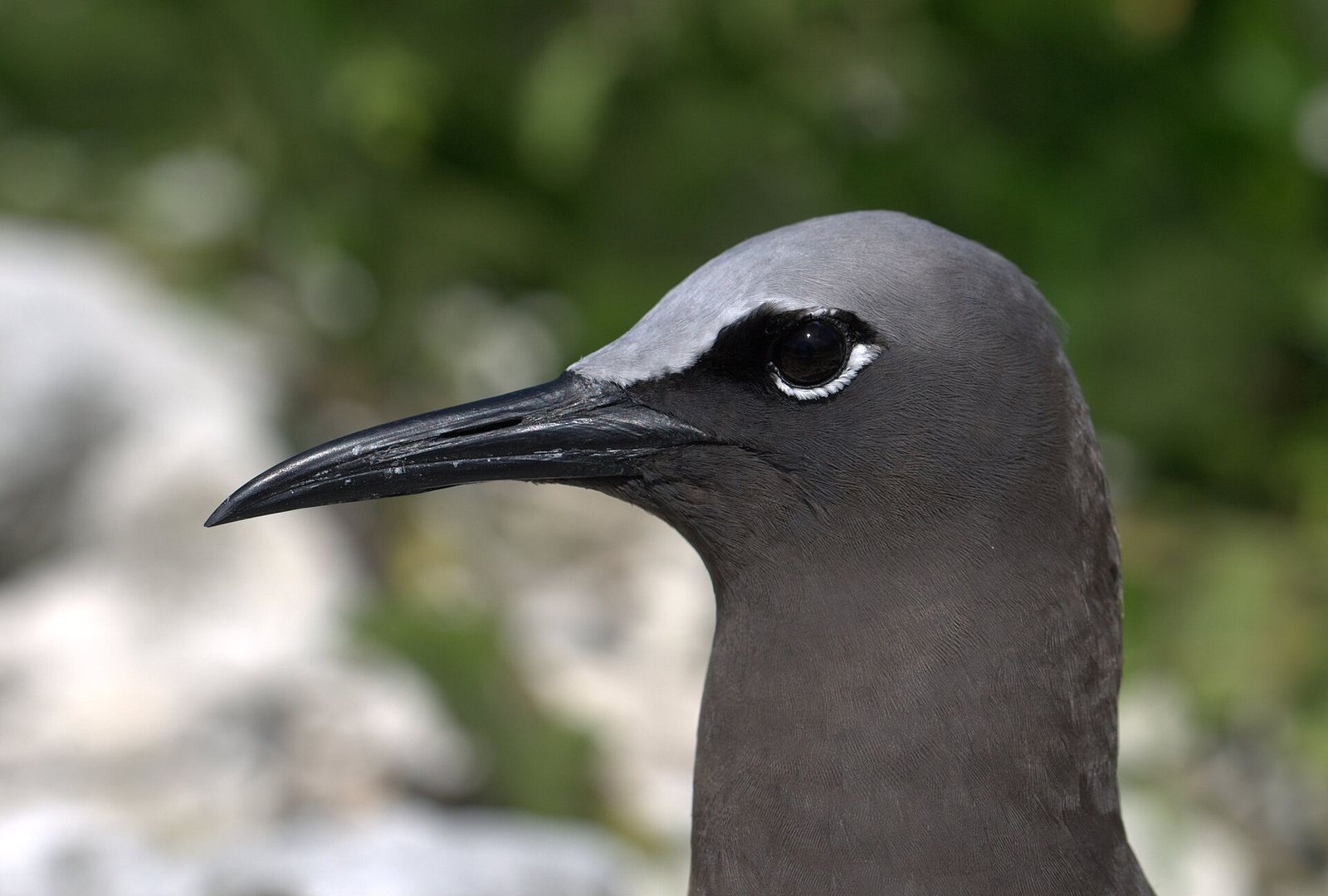
Lord Howe is a major seabird breeding site. Depending on the season, you might see providence petrels, masked boobies, red tailed tropicbirds, sooty terns or shearwaters. Some species nest close to walking tracks, so keep a respectful distance and stay on the paths, specially during the breeding season.
When to go
The island has a mild, subtropical climate. Summer, from around December to February, is the warmest time for swimming and snorkelling, and also the busiest. Spring and autumn are popular for walking, with comfortable temperatures and good birdlife. Winter is cooler and can be windier, and some businesses may reduce operations, but visitor numbers are lower and the island is very peaceful. Sea conditions change through the year, so if diving or particular boat trips matter to you, check the season with local operators.
Getting there
Lord Howe Island is reached by air. Regular flights operate from Sydney, and at times from Brisbane and Port Macquarie, on small aircraft. Weight limits for luggage are strict because of the size of the planes and the short runway, so pack light and check the current baggage allowance before you fly. Flights can be delayed by weather. There is no regular passenger ferry service for visitors.
Practical tips for a Lord Howe stay
- Book flights and accommodation together and early, especially for summer and school holiday periods.
- Pack within the strict baggage limits, and leave room for a reef safe sunscreen, a rain jacket and good walking shoes.
- Read the biosecurity guidance before you travel, and clean shoes and gear to remove soil and seeds.
- Book a licensed guide in advance if you want to climb Mount Gower, as places on guided walks are limited.
- Bring cash as a back up. Card payments are widely accepted, but connectivity can occasionally affect them.
- Ride carefully. Roads are narrow, and woodhens and other birds can wander onto them.
Why small matters
It would be easy to describe Lord Howe Island as a perfect paradise, but the truth is more interesting. It is a place where residents, scientists and visitors have chosen limits deliberately, and the island is better for it. The quiet beaches, the healthy birdlife and the sense of space are not accidents. They are the result of decisions about how many people a small island can welcome, and how they should behave once they arrive.
Questions travellers ask
How many tourists can stay on Lord Howe Island at once?
The number of visitors staying on the island at any time is capped at around 400, which keeps tourism at a small scale.
Do I need a guide to climb Mount Gower?
Yes. The Mount Gower walk may only be done with a licensed guide, due to its difficulty and the sensitive environment.
Can I take a lot of luggage to Lord Howe?
No. Flights use small aircraft with strict baggage weight limits. Check the current allowance with the airline before you pack.
Clifton Inn is an independent travel information website and does not take bookings. Details such as opening seasons and access can change, so please confirm current information with the relevant provider.
Related stories
Extraordinary Stays · 7 min read
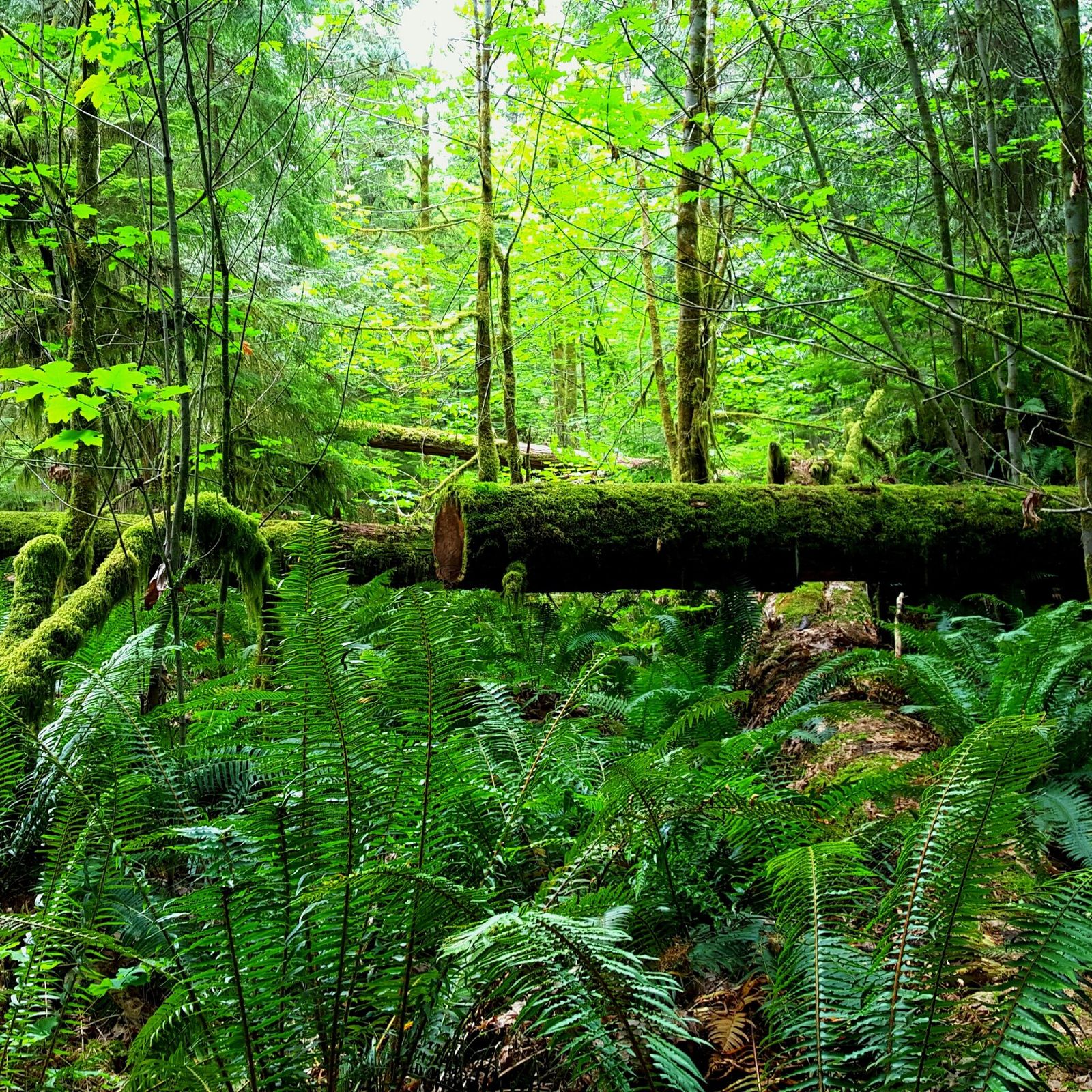
Free Spirit Spheres: Hanging Among the Trees
Qualicum Beach, Vancouver Island, Canada
On Vancouver Island, round wooden spheres suspended from coastal trees offer a treehouse stay unlike any other.
Read More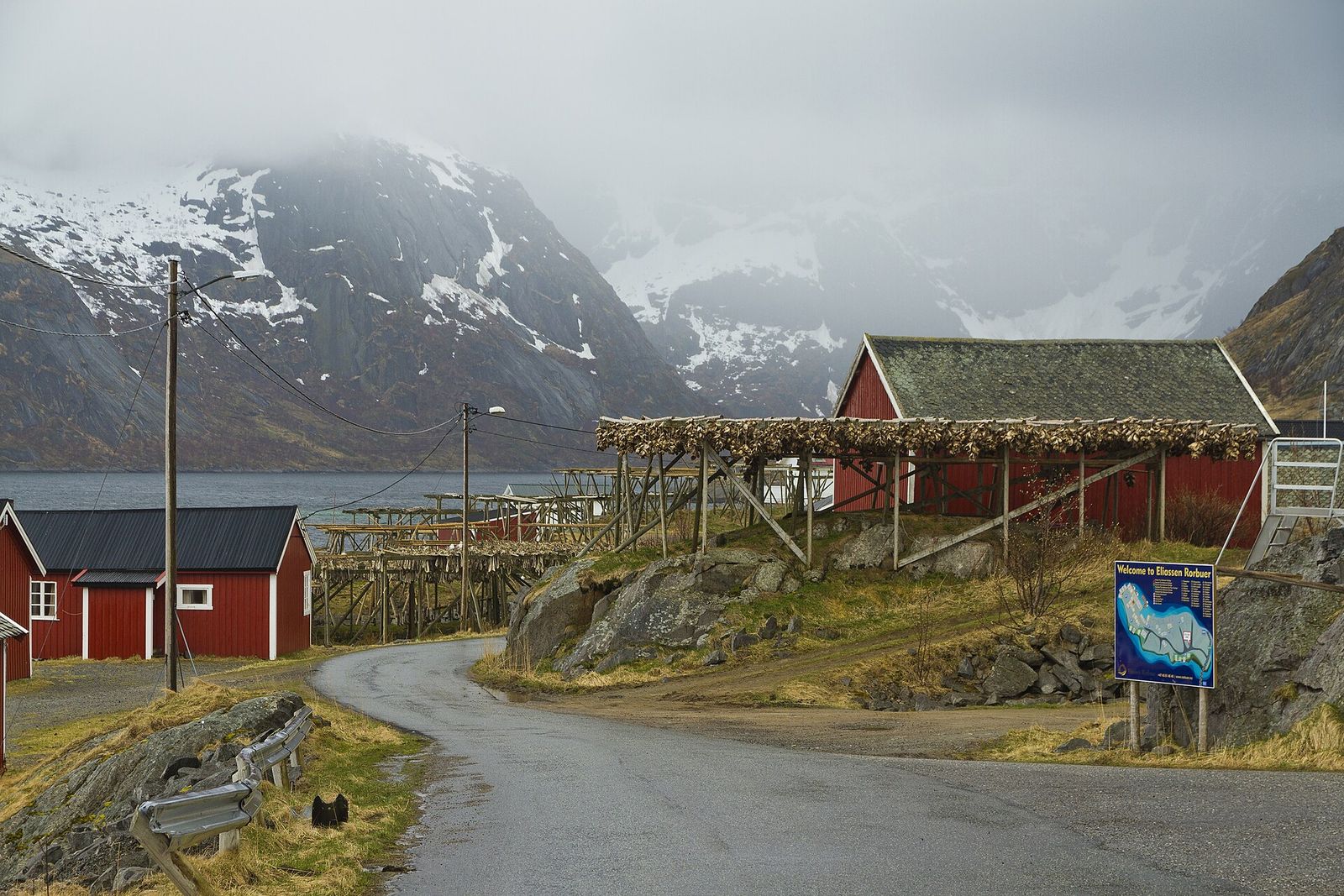
Hidden Retreats · 7 min read
A Stay in a Lofoten Rorbu: Fishing Life Among the Islands
Hamnøy, Lofoten, Norway
Traditional fishermen's cabins offer a close-up way to experience Lofoten's harbors, steep peaks and changing Arctic light.
Read More
Hidden Retreats · 7 min read
Hydra Without Cars: A Slow Island Stay in the Saronic Gulf
Hydra, Saronic Islands, Greece
On Hydra, harbor walks, steep lanes and sea routes set the pace for a Greek island escape without ordinary road traffic.
Read More