Hotel Marqués de Riscal in Rioja's Elciego
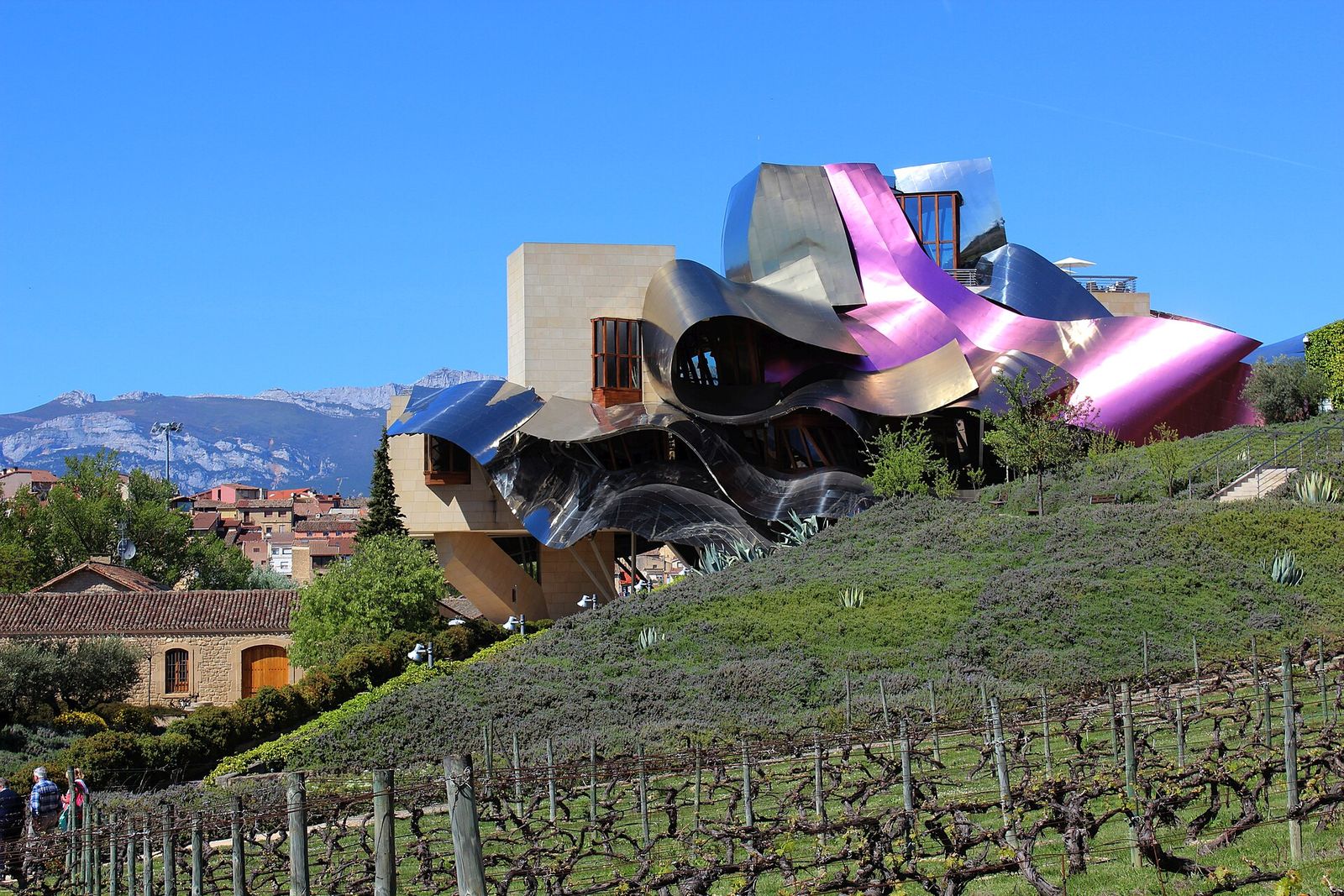
In the small town of Elciego, in the Rioja Alavesa wine region of northern Spain, a burst of curved metal ribbons rises above the vineyards. Pink, gold and silver, they look like a flower, or a wine stain caught mid splash, beside the stone buildings of one of Rioja's oldest wineries. This is Hotel Marqués de Riscal, designed by Frank Gehry and opened in 2006. It is a deliberate jolt to the landscape, and a good base for exploring a region where wine has been made for centuries.
A winery with a long history
The Marqués de Riscal winery was founded in 1858 by Guillermo Hurtado de Amézaga, a nobleman who had lived in Bordeaux and brought French winemaking ideas back to Rioja. The winery was among the first in the region to adopt Bordeaux methods, including aging wine in oak barrels, and it played an important role in shaping the modern reputation of Rioja wines. Its cellars still hold old bottles, some dating back to the 19th century.
Over time, the winery grew into a large estate. At the end of the 20th century, its owners decided to create a new complex combining the historic winery with a hotel, restaurants and visitor facilities, an idea they called the City of Wine, or Ciudad del Vino.
Why Gehry?
Frank Gehry had recently completed the Guggenheim Museum Bilbao, opened in 1997, and it was transforming the city's image. The winery approached him with the idea of a building that could do something similar for Rioja. Gehry, who is said to have been persuaded partly by a bottle of wine from his birth year, designed a building of stone and sweeping titanium ribbons. The colors were chosen to reflect the winery's identity: pink for red wine, gold for the mesh on Marqués de Riscal bottles and silver for the bottle's capsule.
The building and its setting
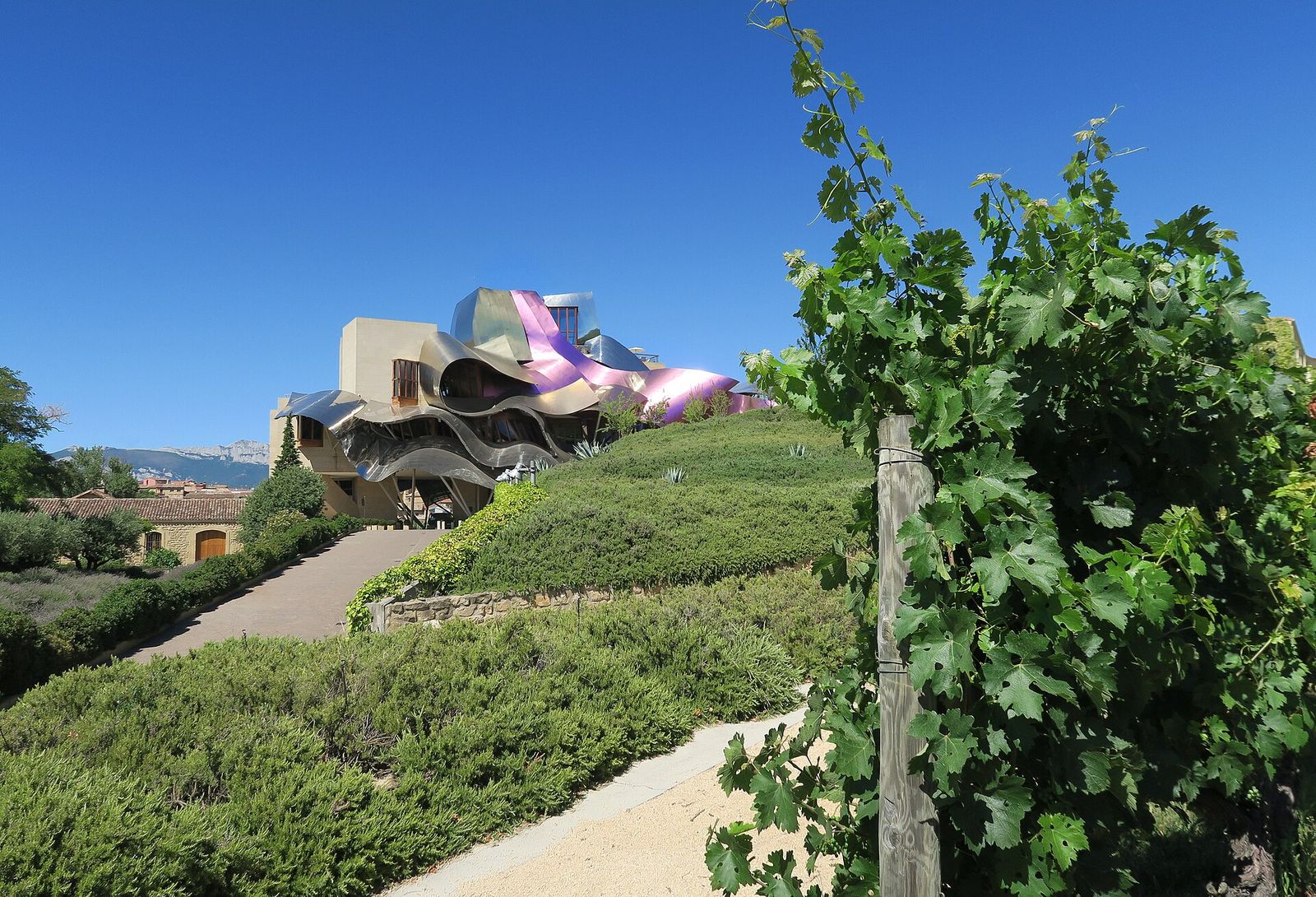
Up close, the hotel is smaller than it looks in photographs. The main block, built of sandstone, is wrapped in and partly hidden by the flowing metal canopies, which shade terraces and windows. A second wing, connected by a bridge, holds additional rooms and a spa. From the terraces and the rooftop, views stretch over the vineyards and the medieval town of Elciego, with its church and old houses, to the Sierra de Cantabria mountains beyond.
The contrast between Gehry's curves and the traditional landscape is the whole point, and it divides opinion. Some visitors love it, others find it jarring. Either way, it is impossible to ignore, and its a building that makes people talk about architecture, which is rare in wine country.
Inside the hotel
The hotel is operated as part of Marriott's Luxury Collection. Its rooms are contemporary, with large windows and angled walls following Gehry's design. There is a spa focused on vinotherapy, using grape based treatments, and restaurants serving regional cuisine, often paired with wines from the estate. Visitors who are not staying can usually join winery tours and tastings, and sometimes dine at the restaurants, but access to parts of the hotel is reserved for guests.
Exploring Rioja Alavesa
Rioja is divided into several subzones, and Rioja Alavesa lies on the north bank of the Ebro, in the Basque province of Álava. It is a landscape of vineyards, small hill towns and old stone wineries, with the Sierra de Cantabria rising to the north and protecting the vines from cold northern winds.
Laguardia
A short drive from Elciego, Laguardia is a walled medieval town on a hilltop, with narrow streets and historic gateways. Beneath it, many old family cellars, known as calados, are dug into the rock, and some can be visited. The Church of Santa María de los Reyes has a remarkable painted portico from the late Middle Ages, preserved inside a later porch. Laguardia is one of the most charming places in the region and makes an excellent half day visit.
Architecture among the vines
Marqués de Riscal is not the only winery to commission famous architects. Near Laguardia, Bodegas Ysios, designed by Santiago Calatrava, has a wavy aluminum roof that echoes the mountains behind it. In Haro, on the La Rioja side, Bodegas López de Heredia has a pavilion designed by Zaha Hadid. Visiting a mix of traditional and contemporary wineries gives a sense of how the region sees itself, both rooted and modern.
Logroño and Haro
Logroño, capital of the La Rioja region, is around half an hour away. Its Calle Laurel and surrounding streets are famous for tapas and pintxos bars, each with its own speciality, from grilled mushrooms to small sandwiches. Haro, to the west, is the historic heart of Rioja wine production, with several old wineries clustered around the railway station quarter. On 29 June, Haro hosts the Batalla del Vino, a wine battle in which participants douse each other with red wine. It is messy and joyful, and worth knowing about either to join or to avoid.
Wine, food and the table
Rioja's food is hearty and seasonal, built around lamb, vegetables from the Ebro valley, peppers, beans and cured meats. In Rioja Alavesa, you are in the Basque Country, so pintxos culture overlaps with Riojan traditions, and menus may be written in both Spanish and Basque. Many wineries offer tastings with local cheese or small plates, which is a good way to understand how the wines are meant to be enjoyed. Rioja's labelling system, with terms like crianza, reserva and gran reserva, refers mainly to aging times in barrel and bottle, and guides at wineries are usually happy to explain the differences. Asking questions is welcome, nobody expects you to be an expert, and the conversations are often the most enjoyable part of a visit. A slow lunch, followed by a walk through the vines, is very much the local rhythm, especialy on weekends when families gather.
When to go
Spring brings fresh green leaves to the vines and pleasant temperatures. Summer is warm, sometimes hot, with long evenings. Autumn, especially September and October, is harvest season, when the vineyards turn gold and red and wineries are at their busiest. Winter is quieter and can be cold, with bare vines and a stark beauty, and many wineries still welcome visitors. Each season changes the view from the hotel terraces quite dramatically.
Getting there
Bilbao Airport is roughly one and a half hours by car from Elciego, and Vitoria Gasteiz and Logroño are both closer, with smaller airports. Trains run to Logroño and Haro, but public transport to Elciego itself is limited, so most visitors drive or arrange a transfer. A car is very useful for exploring the region, though remember that tastings and driving do not mix. Many visitors choose guided tours or taxis for winery visits.
Practical tips for a stay in Elciego
- Book winery tours and tastings in advance, especially in harvest season and at weekends.
- Plan a designated driver or use local taxis and tours when visiting several wineries.
- Walk into Elciego's old town in the evening to see the hotel from a different angle, framed by the church and village rooftops.
- Visit Laguardia's underground cellars, and check opening times locally.
- Bring layers. Even in summer, nights can be cool in Rioja Alavesa.
- Try local dishes such as patatas a la riojana, a potato and chorizo stew, and lamb chops grilled over vine cuttings.
Questions travellers ask
Can I visit the Marqués de Riscal winery without staying at the hotel?
Winery tours and tastings are generally open to visitors. Check current tour options and times on the official website.
When did the Gehry hotel open?
Hotel Marqués de Riscal opened in 2006, part of the winery's City of Wine project.
What is the best time to visit Rioja Alavesa?
Harvest season in September and October is especially popular, while spring and early summer are quieter and very pleasant.
Clifton Inn is an independent travel information website and does not take bookings. Details such as opening seasons and access can change, so please confirm current information with the relevant provider.
Related stories
Extraordinary Stays · 7 min read
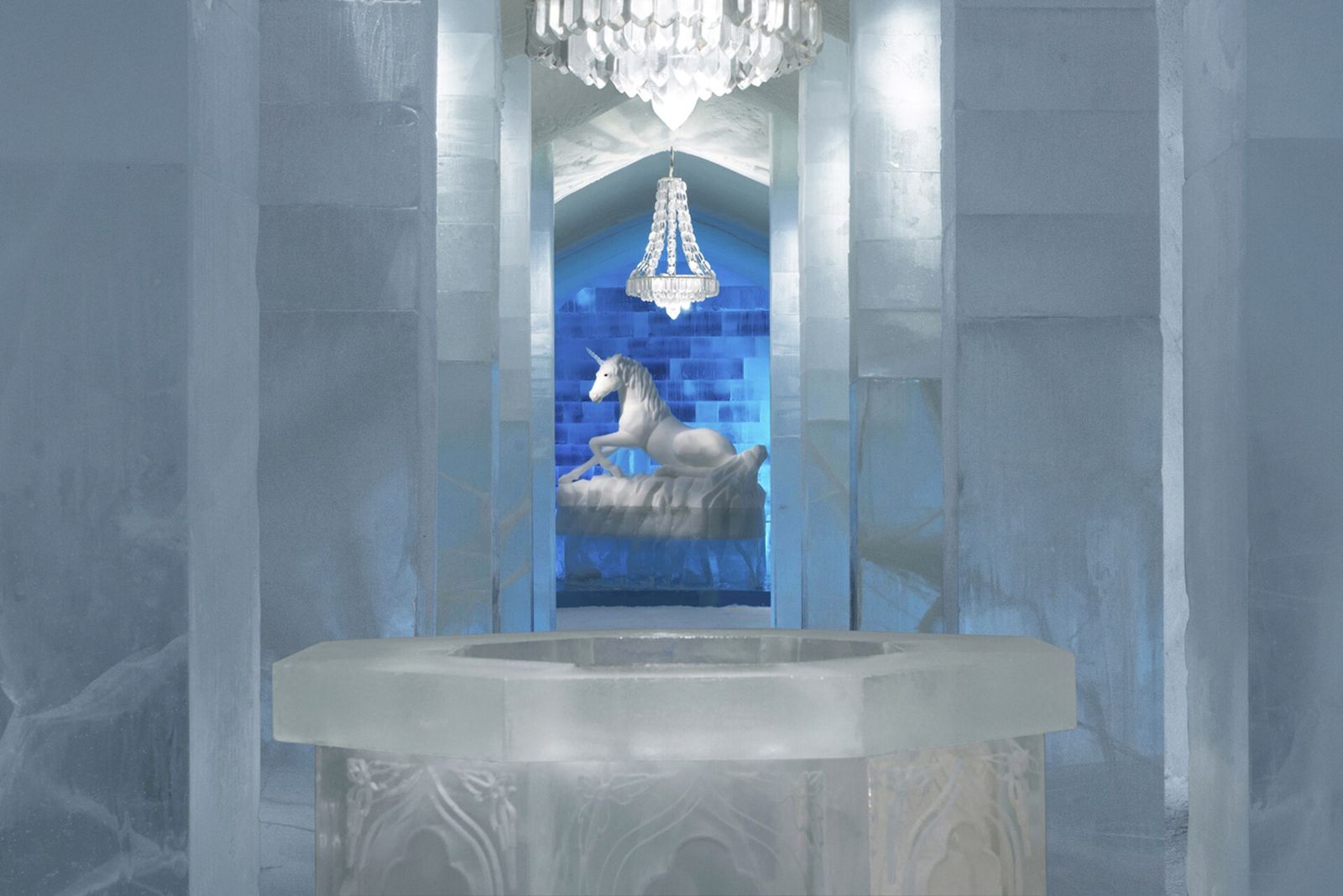
ICEHOTEL: A Hotel That Melts Back Into the River
Jukkasjärvi, Sweden
Rebuilt from Torne River ice every winter, ICEHOTEL in Swedish Lapland is part art gallery, part hotel and entirely seasonal.
Read More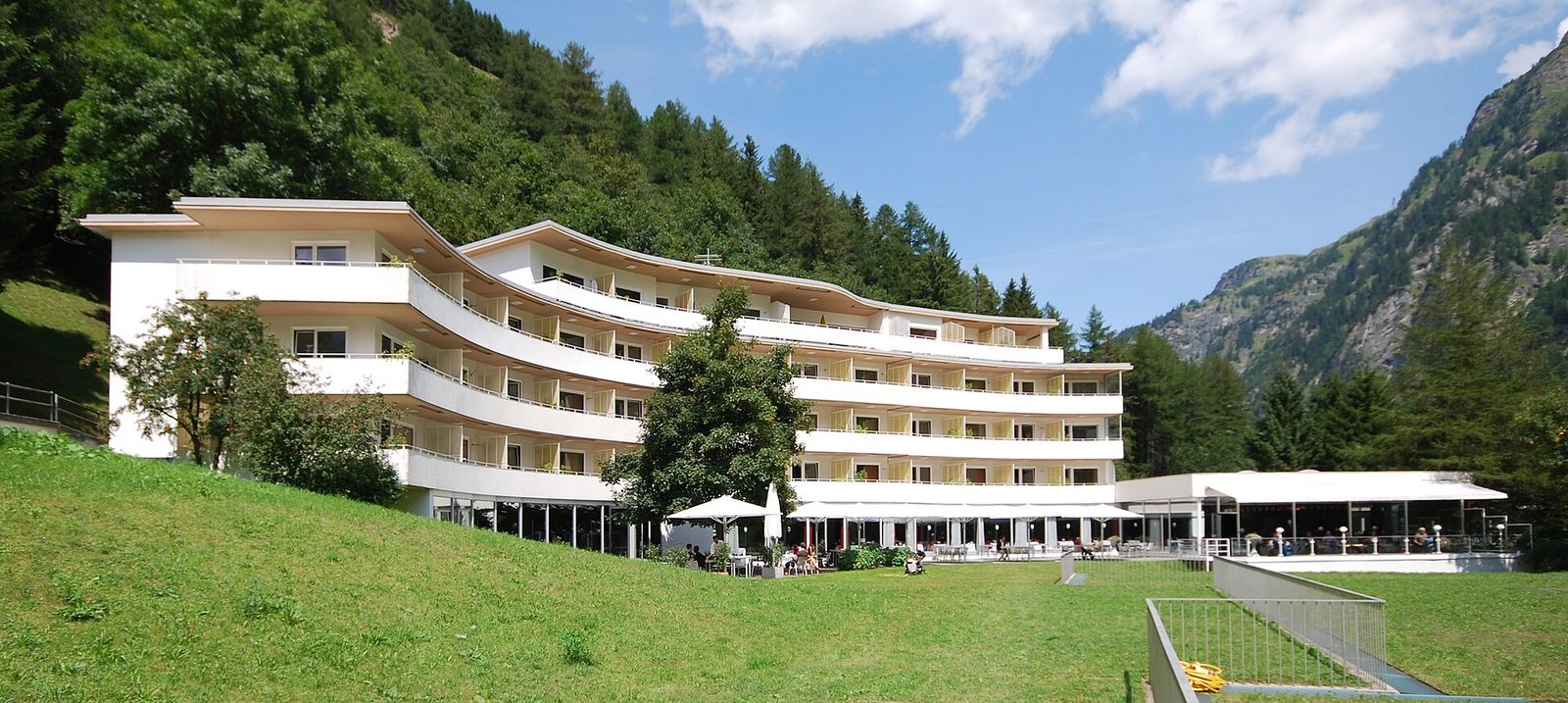
Design Hotels · 7 min read
7132 Hotel and the Quiet Drama of Therme Vals
Vals, Graubünden, Switzerland
In the Swiss village of Vals, Peter Zumthor's stone thermal baths shape a stay around water, mountain light and measured silence.
Read More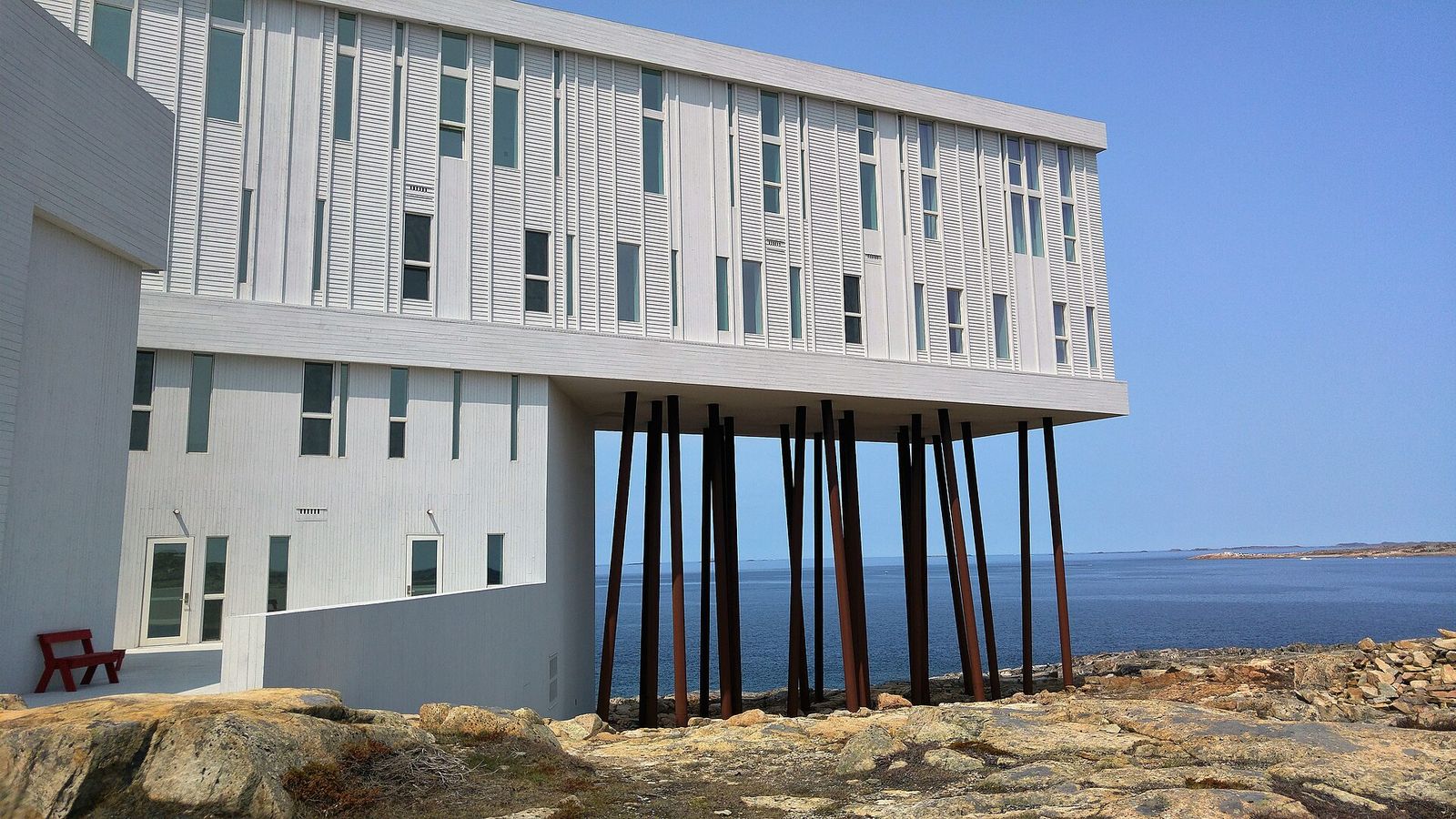
Design Hotels · 7 min read
Fogo Island Inn at the Edge of Newfoundland
Joe Batt's Arm, Newfoundland and Labrador, Canada
A striking contemporary inn on Newfoundland's Fogo Island connects a remote Atlantic setting with community, craft and expansive sea views.
Read More