A Retreat Along California's Big Sur Coast
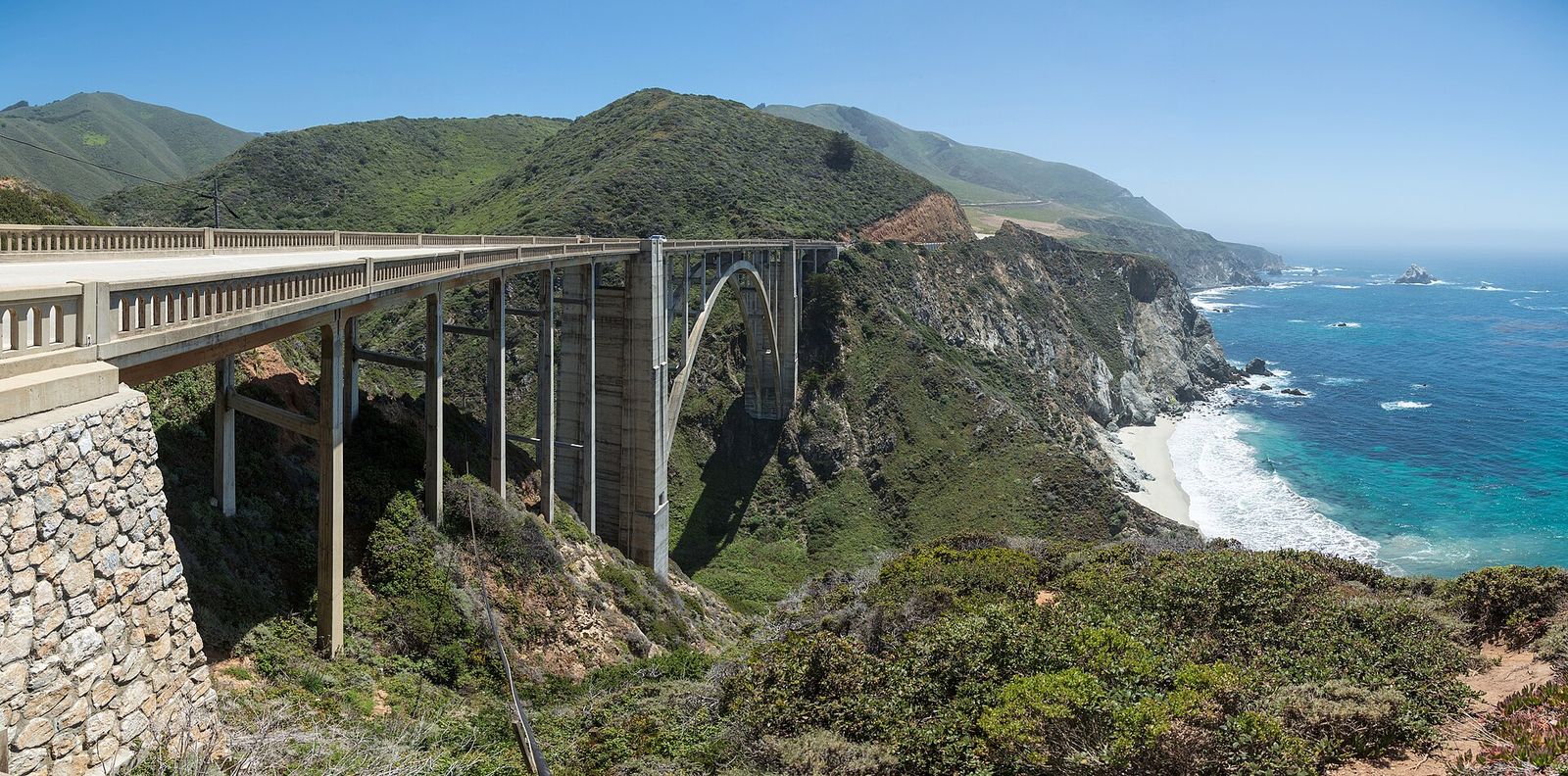
Big Sur is less a town than a stretch of coast. Roughly ninety miles of cliffs, redwood canyons and fog drift along California's Highway 1 between Carmel in the north and San Simeon in the south, with the Santa Lucia Mountains plunging almost directly into the Pacific. There are few towns, few services and very few places to stay, most of them small inns, cabins, lodges and campgrounds tucked into the landscape. That scarcity is part of what makes a Big Sur retreat feel so complete.
A coast that resists development
For most of its history, Big Sur was remote and hard to reach. Homesteaders arrived in the late 19th century, but the coast was only properly connected by road when Highway 1 opened through the area in 1937, after years of difficult construction. The famous Bixby Creek Bridge, completed in 1932, is one of the best known sights on the route, a single concrete arch high above a creek mouth.
Since then, local planning and conservation efforts have kept large scale development away. Much of the land is protected by state parks, the Los Padres National Forest and private conservation easements. There are no big resorts towns, chain hotels or shopping streets. Instead, there are scattered lodges, a handful of restaurants, a few gas stations and a lot of open land.
What retreat means here
Staying in Big Sur usually means choosing between a small number of options: historic inns, rustic cabins in redwood canyons, upscale clifftop lodges, and campgrounds in the state parks and national forest. Each has a different feel, but they share the same basic offer, nature very close, limited distractions and slow evenings. Mobile coverage is patchy along much of the coast, and many visitors find being partly offline the best part of the stay.
Highway 1 and its moods
Driving Highway 1 through Big Sur is one of America's classic road trips, with hairpin bends, turnouts above the sea and constant changes of light. It is also a fragile road. Landslides, storms and erosion have repeatedly closed sections of the highway, sometimes for long periods. In recent years, slides such as Paul's Slide and Regent's Slide have cut off parts of the coast and affected access between the north and south.
Before travelling, check current road conditions using the California Department of Transportation, Caltrans, and its QuickMap service. Closures can change what is reachable from where, and some lodges may only be accessible from one direction. It is not unusual for travel plans along this coast to be shaped by the latest updates.
Places to see along the coast
Pfeiffer Big Sur State Park
In the heart of Big Sur, this park protects redwood groves along the Big Sur River, with trails, picnic areas and a campground. The short walk to Pfeiffer Falls is a classic, and the park's lodge and cabins make it a popular base. The redwoods here are not as tall as those further north, but the river valley has a gentle, sheltered charm.
Julia Pfeiffer Burns State Park
Further south, this park is famous for McWay Falls, which pours from a cliff onto a small cove. The view from the Overlook Trail is one of the most photographed in California. The beach itself is closed to visitors to protect it. Parking is limited, so arrive early or late in the day.
Point Sur and Andrew Molera
Point Sur Light Station, on a volcanic rock off the coast, has guided tours on certain days. Andrew Molera State Park nearby offers walks through meadows and along the Big Sur River to a wild beach. Both feel a little more open and windswept than the redwood canyons.
Pfeiffer Beach
Reached by a narrow, steep road off Highway 1, Pfeiffer Beach is known for its purple tinged sand in places and the Keyhole Arch, a rock with a natural opening that frames the setting sun around certain times of year. The access road is not suitable for large vehicles and can be closed, so check before you go.
Writers, artists and seekers
Big Sur has long attracted people looking for something beyond the ordinary. The writer Henry Miller lived here for many years, and the Henry Miller Memorial Library, a small arts space among the trees, keeps his name and the area's creative spirit alive with books, events and concerts. Jack Kerouac wrote a novel titled "Big Sur". The Esalen Institute, founded in the 1960s on the coast south of the central area, became an important centre of the human potential movement and still offers workshops and retreats.
This history gives the coast a slightly bohemian feel, even now. You will find small galleries, quiet bookshops and people who chose to live remotely for the views and the solitude.
Wildlife along the cliffs
From the turnouts, watch for sea otters in kelp beds, sea lions on rocks and, in season, migrating gray whales offshore. Big Sur is also one of the places where the California condor has been reintroduced. With a wingspan of nearly three metres, these birds are unmistakable, and seeing one soaring over a canyon is something special.
Eating and supplies
Food on the coast is limited to a small number of restaurants, cafés and general stores, many attached to lodges. Opening hours can be shorter than you expect, particularly in winter or when road closures reduce visitor numbers. Bringing snacks, water and a picnic is sensible, and campers should arrive with most of there supplies already in the car. A meal with a view over the Pacific, however, is a very Big Sur pleasure worth planning at least once.
When to go
Big Sur can be visited year round, but each season has its own character. Summer often brings fog, especially in the mornings, and the coast can be cool and grey while inland areas swelter. Late summer and autumn frequently have clearer, warmer days, which many locals consider the best time. Winter is quieter, with storms, green hills and dramatic seas, but it is also the season when landslides and road closures are more likely. Spring brings wildflowers on the hillsides and full waterfalls after the rains.
Wildfire risk is a reality in California, particularly in late summer and autumn. Check current fire information and air quality before you travel.
Getting there
Big Sur is usually approached from the Monterey Peninsula in the north or from the San Luis Obispo area in the south. The nearest airports are Monterey and San Luis Obispo, with larger international airports in San Francisco and San Jose. From Carmel, the drive into central Big Sur takes around an hour without stops, but stopping is the whole point.
Public transport is limited. A car is almost essential for exploring, and fuel stations are few and expensive, so fill up before entering the coast.
Practical tips for a Big Sur retreat
- Check Caltrans QuickMap for Highway 1 conditions on the day you travel, not just when you plan.
- Fill your tank in Carmel, Monterey or Cambria before heading in. Gas stations along the coast are scarce and pricey.
- Download maps and directions in advance, since mobile signal disappears for long stretches.
- Bring layers. Coastal fog can make the morning cold even when the afternoon turns warm.
- Reserve campgrounds and accommodation well ahead, especially for summer weekends and holidays.
- Use turnouts to let faster traffic pass and to stop safely. Never stop on the road itself for photos.
Questions travellers ask
Is Highway 1 through Big Sur open?
Sections of Highway 1 have been closed by landslides in recent years, and conditions change. Check Caltrans and its QuickMap service right before you travel.
Can I walk down to McWay Falls?
No. The beach at McWay Cove is closed to visitors to protect it, but the Overlook Trail gives a clear view of the falls.
When is the best weather in Big Sur?
Late summer and autumn often bring the clearest, warmest days. Summer mornings are frequently foggy, and winter storms can affect roads.
Clifton Inn is an independent travel information website and does not take bookings. Details such as opening seasons and access can change, so please confirm current information with the relevant provider.
Related stories
Extraordinary Stays · 7 min read
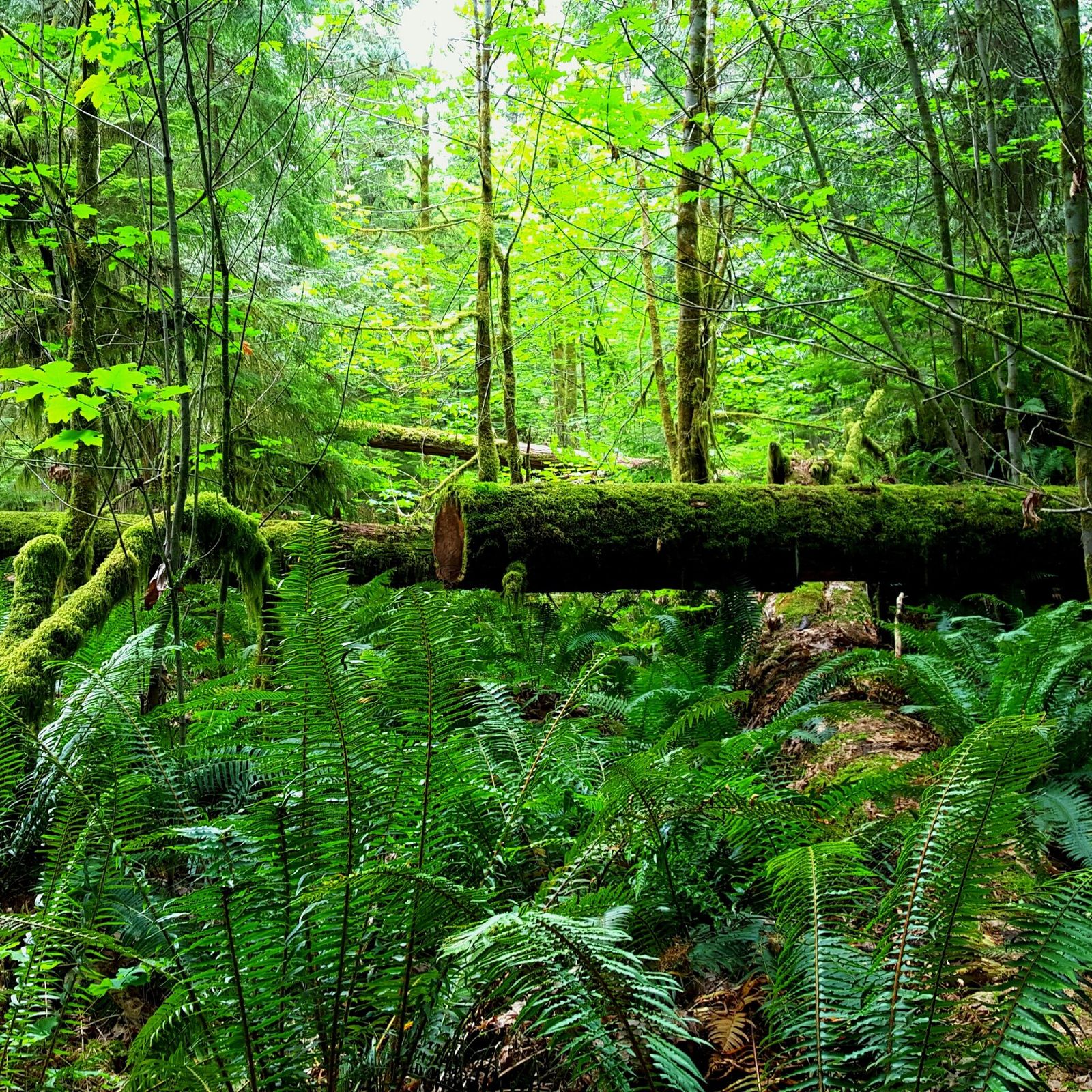
Free Spirit Spheres: Hanging Among the Trees
Qualicum Beach, Vancouver Island, Canada
On Vancouver Island, round wooden spheres suspended from coastal trees offer a treehouse stay unlike any other.
Read More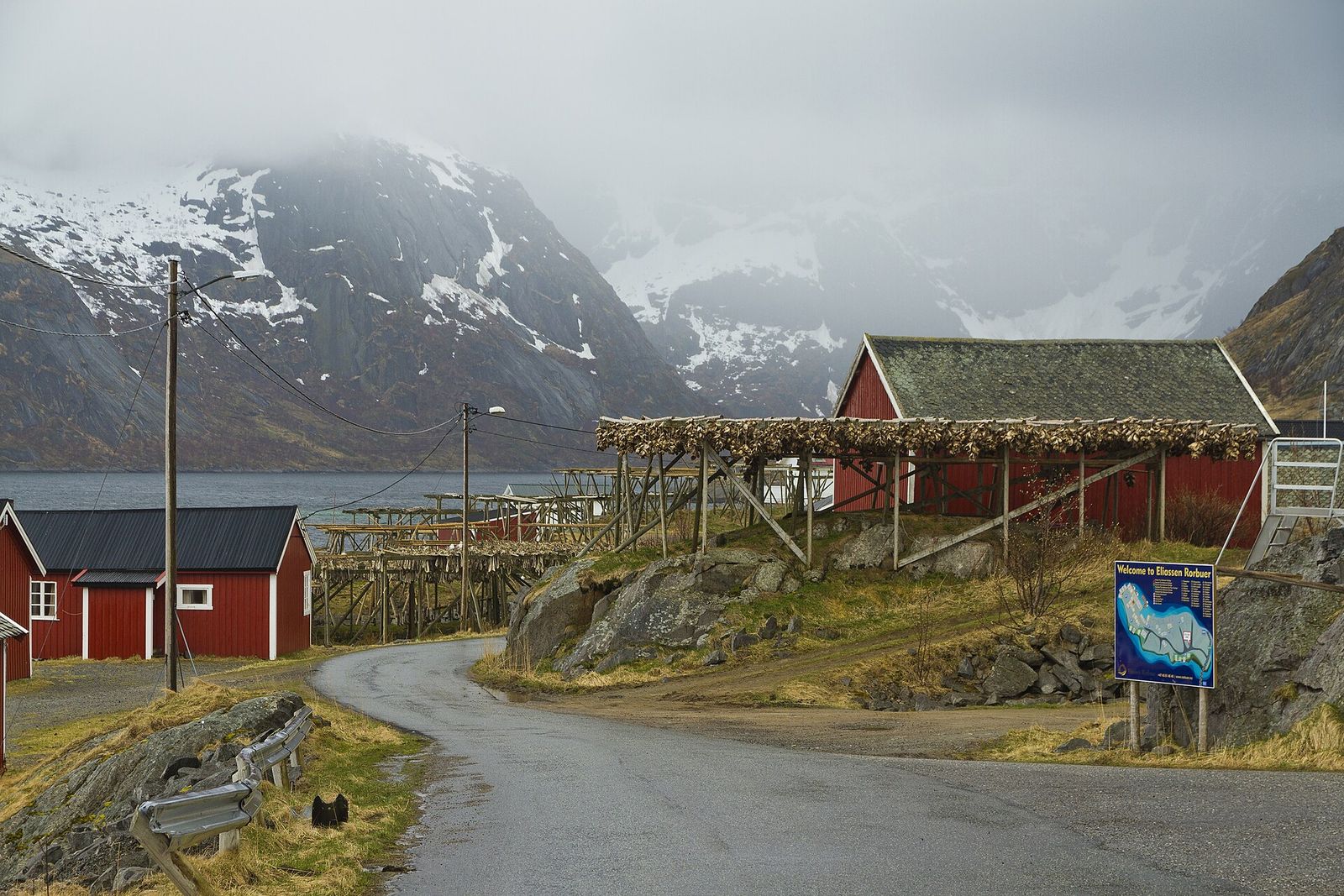
Hidden Retreats · 7 min read
A Stay in a Lofoten Rorbu: Fishing Life Among the Islands
Hamnøy, Lofoten, Norway
Traditional fishermen's cabins offer a close-up way to experience Lofoten's harbors, steep peaks and changing Arctic light.
Read More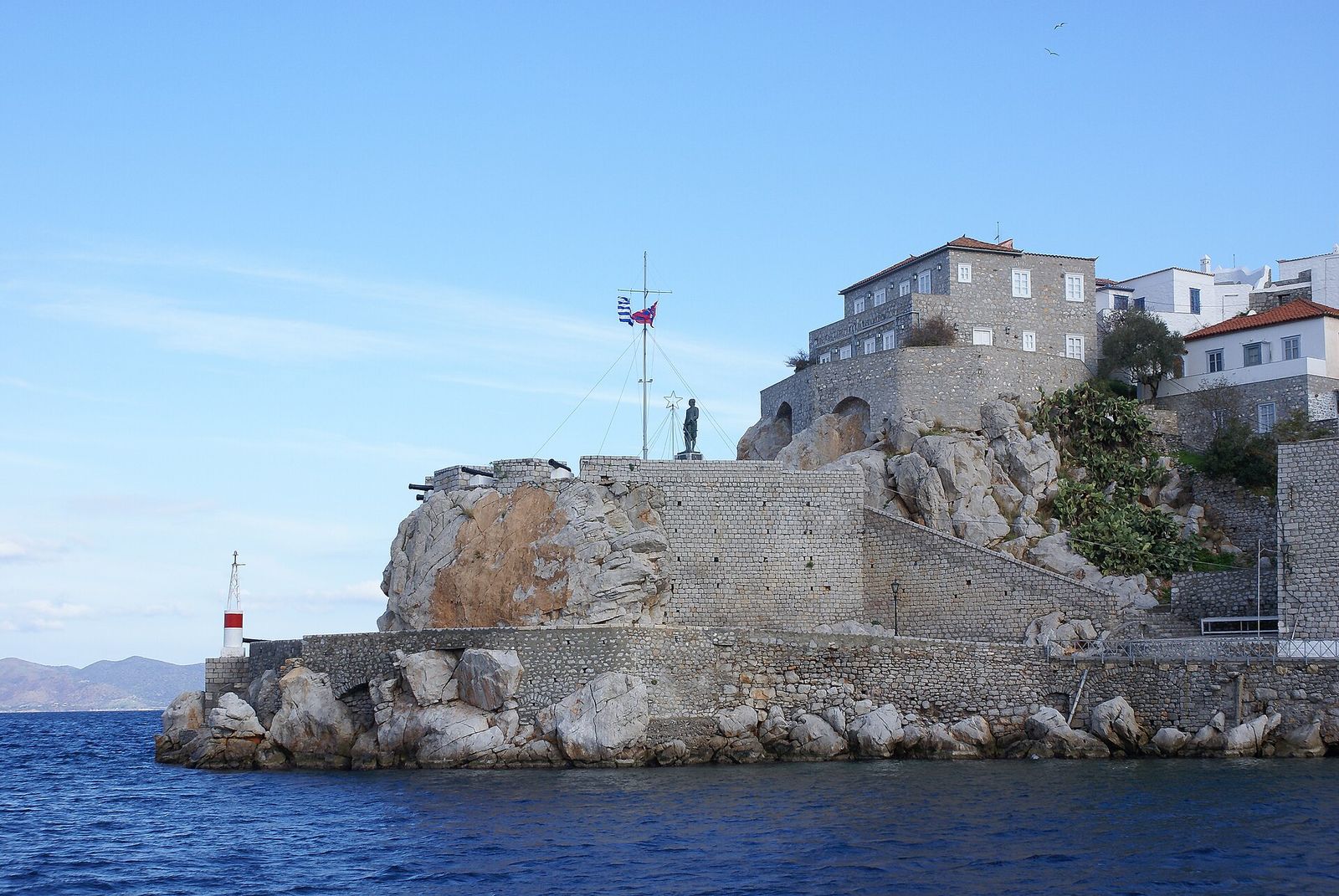
Hidden Retreats · 7 min read
Hydra Without Cars: A Slow Island Stay in the Saronic Gulf
Hydra, Saronic Islands, Greece
On Hydra, harbor walks, steep lanes and sea routes set the pace for a Greek island escape without ordinary road traffic.
Read More