Benesse House, Where Naoshima's Art Meets the Sea
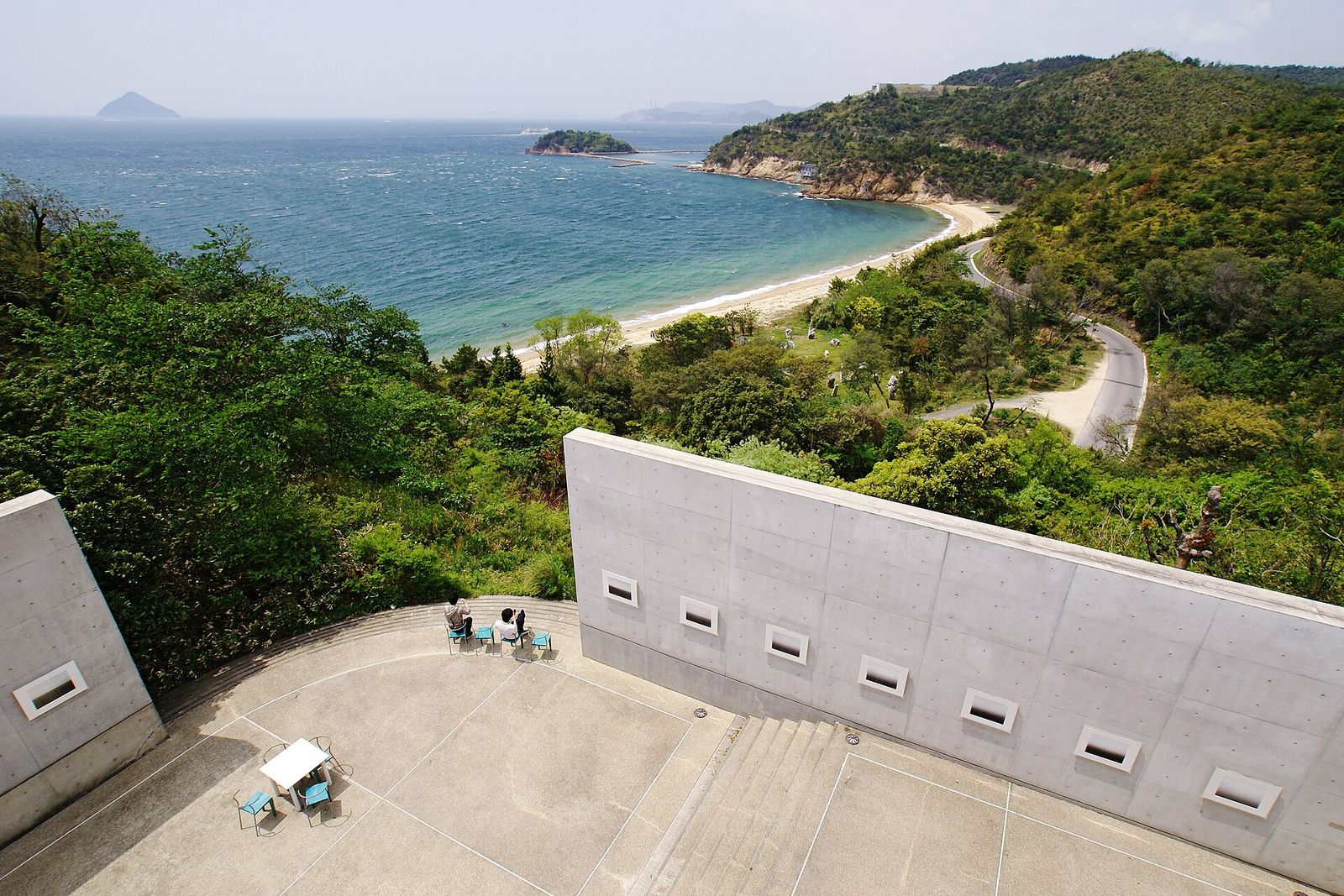
Naoshima is a small island in Japan's Seto Inland Sea, with fishing villages, quiet beaches and gentle hills. It is also one of the most celebrated places in the world for contemporary art. Over several decades, museums, sculptures and art projects have been woven into the island's landscape and daily life. At the center of this story stands Benesse House, a museum and hotel designed by Tadao Ando, where art galleries and guest rooms share the same concrete walls and the same views over the sea.
How an island became an art destination
In the second half of the 20th century, Naoshima was mostly known for fishing and for a copper smelter on its northern shore. In the late 1980s, the Fukutake family, who run the Benesse corporation, began developing the southern part of the island as a cultural area. Their vision, often described as the Benesse Art Site Naoshima, was to bring together art, architecture and nature, and to support communities across several islands in the Seto Inland Sea, many of which had been affected by population decline.
Tadao Ando became the key architect of this project. Benesse House Museum opened in 1992, combining exhibition spaces and hotel rooms in a single building. Over the following years, more buildings were added, including the Oval, a group of rooms on a hill reached by a small monorail, and the Park and Beach wings.
A museum you can sleep in
At Benesse House, guests can visit the museum after regular visitor hours, which is a rare privilege. Walking through galleries in the evening, when the day visitors have gone, gives a quiet, almost private relationship with the art. Works are placed not only in galleries but in corridors, on terraces and outside along the shore. Some have been made specifically for their locations, and many respond to the sea, the light or the architecture around them.
Art in the landscape
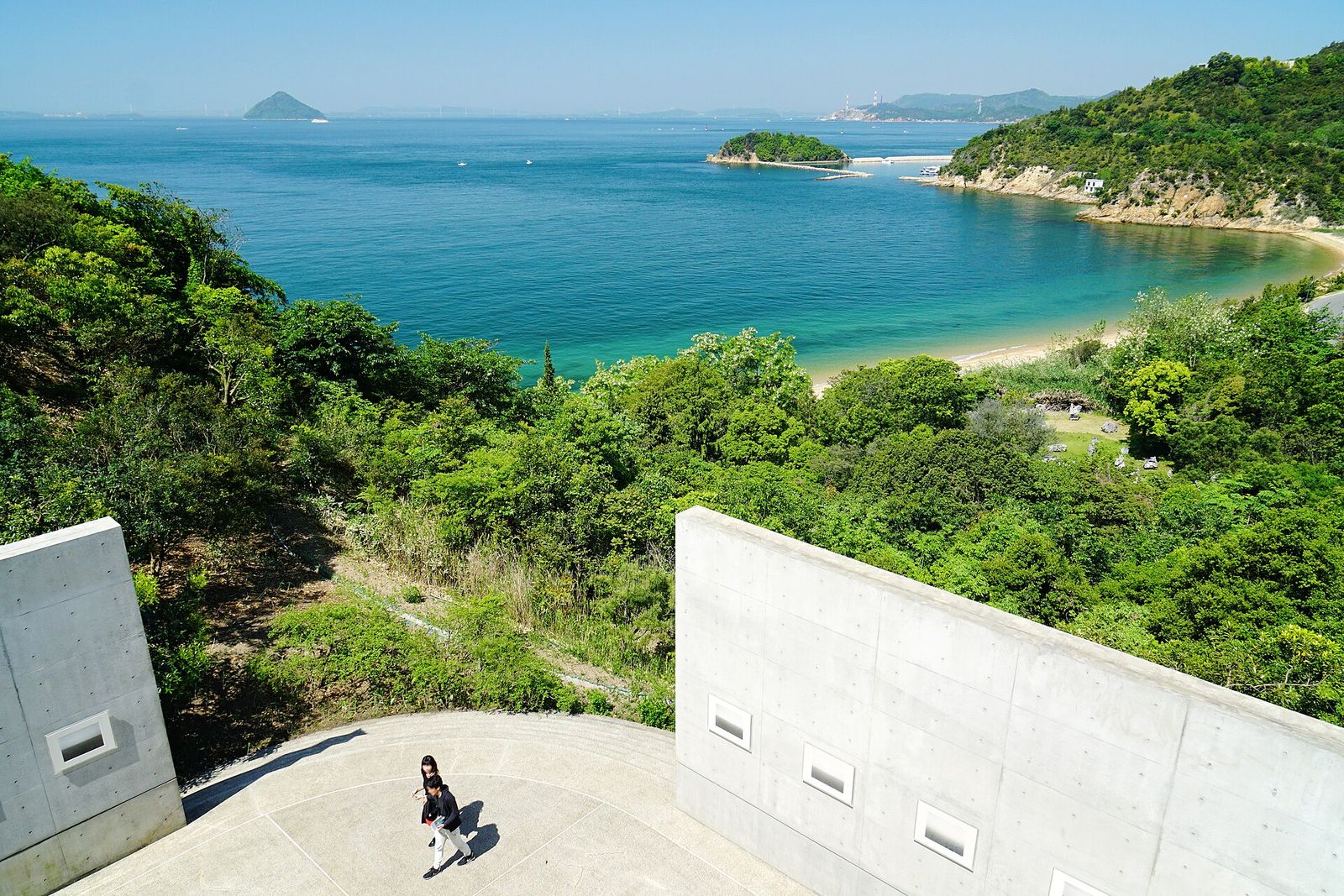
The southern coast near Benesse House is dotted with outdoor sculptures. The most famous is Yayoi Kusama's Yellow Pumpkin, a large polka dotted sculpture on a pier by the sea. In 2021 it was swept into the water by a typhoon and badly damaged, and it was later restored and reinstalled in 2022. It has become one of the most photographed symbols of the island. Kusama's Red Pumpkin stands near the ferry terminal at Miyanoura.
Chichu Art Museum
A short ride from Benesse House, the Chichu Art Museum, opened in 2004, is built largely underground, as its name suggests. Designed by Ando, it houses works by Claude Monet, including large paintings from his Water Lilies series, alongside works by James Turrell and Walter De Maria. Natural light is used to change the experience through the day. Entry is usually by timed ticket, booked online in advance, and visitors are often asked to remove shoes in some spaces. It is one of the highlights of any visit to Naoshima, so plan for it carefully.
Lee Ufan Museum and Ando Museum
The Lee Ufan Museum, opened in 2010, shows works by the Korean born artist in a calm, half buried building by Ando. In the village of Honmura, the small Ando Museum sits inside a traditional wooden house and explores the architect's work and his relationship with Naoshima.
The Art House Project
In Honmura, an old village on the eastern side of the island, the Art House Project transforms empty houses, a shrine and other buildings into works of art. Started in the late 1990s, it involves artists and architects who have responded to the history and memory of each site. Among them, Minamidera, a building designed by Ando, contains a work by James Turrell that is experienced in near darkness. Walking between the houses through the village lanes is part of the experience, and it allows visitors to see the ordinary life of the island alongside the art.
The bathhouse
Near the port of Miyanoura, the artist Shinro Ohtake created I Love Yu, a public bathhouse that is also a work of art, with collage like decorations inside and out. It is open to visitors and to residents, and taking a bath here is a fun way to end a day, if you are comfortable with Japanese bathing etiquette.
Beyond Naoshima
Naoshima is part of a wider network of art islands. Teshima, a short ferry ride away, is home to the Teshima Art Museum, a remarkable concrete shell by the architect Ryue Nishizawa and the artist Rei Naito. Inujima has an art museum in a former copper refinery. Every three years, the Setouchi Triennale, a large contemporary art festival, takes place across many islands of the Seto Inland Sea, bringing new installations and many more visitors. During festival periods, ferries and accommodation get very busy.
Island life beyond the museums
It is easy to rush from museum to museum, but Naoshima is also simply a pleasant island. The beaches near the Benesse area and at Gotanji are calm and clean, good for a swim on a warm day. Small cafés in Honmura and Miyanoura serve simple meals, often using local seafood. In the evening, after the day visitors take the last ferries back, the island becomes very quiet. Walking along the shore at dusk, with the outlines of other islands fading into the haze, its easy to understand why artists responded so strongly to this landscape. Remember that the island is small, with limited restaurants, and some close early or on certain days, so plan dinner ahead if you are not eating at your hotel.
When to go
Spring, from March to May, and autumn, from October to November, are generally the most comfortable seasons, with mild temperatures and clear skies. Summer is hot and humid, and the rainy season usually arrives in June and July. Typhoons can affect the region in late summer and early autumn, sometimes disrupting ferries. Winter is cool and quiet, though some days can be lovely and clear.
Many museums on Naoshima close on Mondays, and some have additional closing days, so check the official schedules before you go. It sounds like a small detail, but its easy to arrive on the wrong day.
Getting there
Naoshima is reached by ferry. From Uno Port in Okayama Prefecture, ferries take around 20 minutes to Miyanoura. From Takamatsu, on Shikoku, the crossing takes about 50 minutes by ferry, less on faster boats. Uno can be reached by train from Okayama, which is a stop on the Shinkansen line, while Takamatsu has its own airport and rail connections. On the island, buses connect the port with Honmura and the Benesse area, and many visitors rent bicycles, including electric ones, to get around. Within the Benesse area, a shuttle bus connects the museums and the hotel, as private traffic is restricted.
Practical tips for a Benesse House stay
- Book Chichu Art Museum tickets online in advance and arrive on time for your entry slot.
- Check museum opening days, as many close on Mondays and have seasonal changes.
- Use the evening museum access if you stay at Benesse House. It is one of the most special aspects of the stay.
- Rent an electric bicycle to explore the island, especially if you plan to visit Honmura and the south coast in one day.
- Bring cash as a back up, as some small shops and cafés may not accept cards.
- Be mindful of residents in Honmura. The Art House Project sits within a living village, so keep noise low and respect private homes.
Questions travellers ask
Can non guests visit Benesse House Museum?
Yes, the museum is open to visitors during regular hours, while hotel guests can usually enter in the evening after it closes to the public.
Do I need to book Chichu Art Museum in advance?
Entry is usually by timed ticket, booked online in advance. Check the official website for current rules.
How long should I stay on Naoshima?
At least one night is recommended, and two nights allow time for Chichu, the Art House Project and a trip to Teshima.
Clifton Inn is an independent travel information website and does not take bookings. Details such as opening seasons and access can change, so please confirm current information with the relevant provider.
Related stories
Hidden Retreats · 7 min read
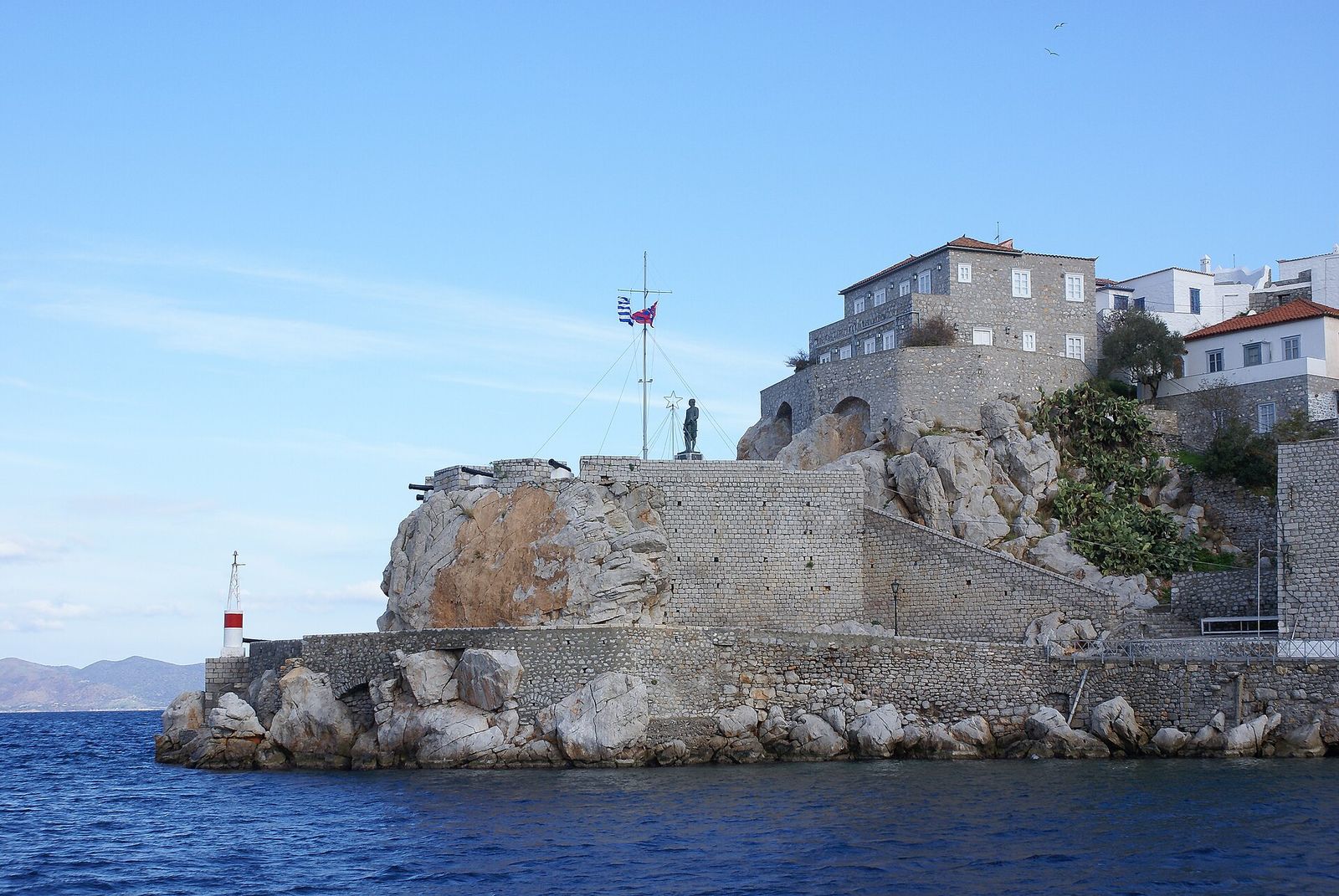
Hydra Without Cars: A Slow Island Stay in the Saronic Gulf
Hydra, Saronic Islands, Greece
On Hydra, harbor walks, steep lanes and sea routes set the pace for a Greek island escape without ordinary road traffic.
Read More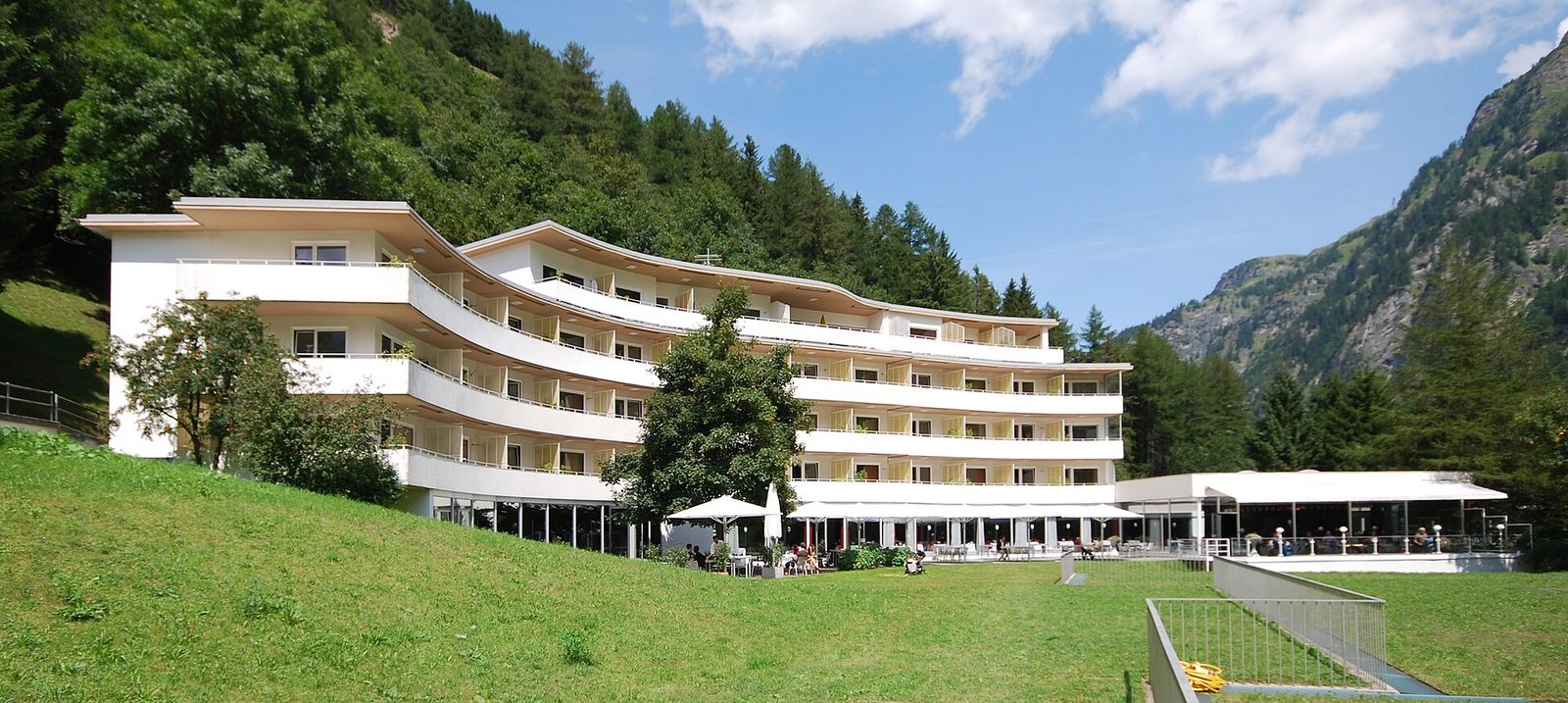
Design Hotels · 7 min read
7132 Hotel and the Quiet Drama of Therme Vals
Vals, Graubünden, Switzerland
In the Swiss village of Vals, Peter Zumthor's stone thermal baths shape a stay around water, mountain light and measured silence.
Read More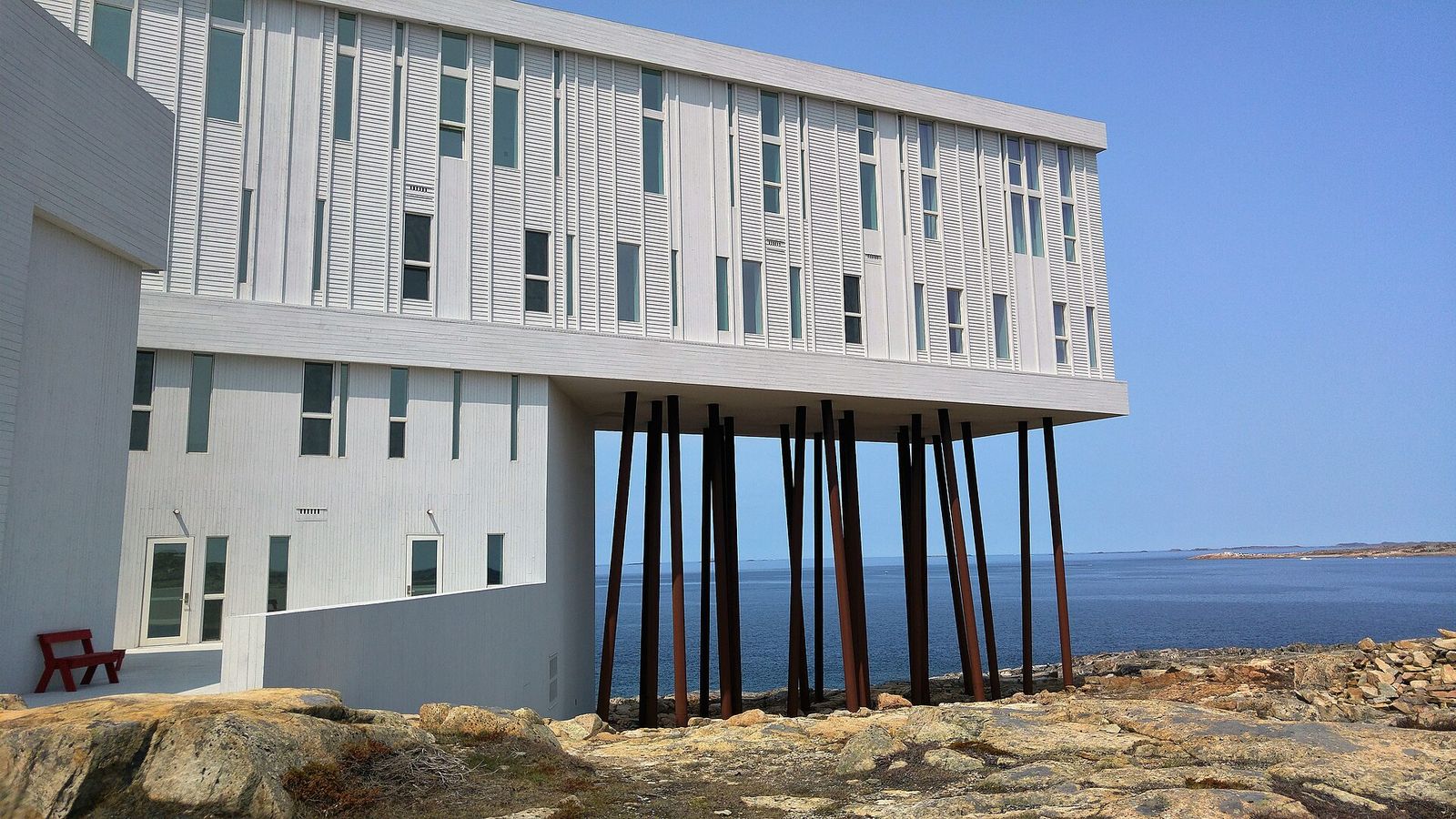
Design Hotels · 7 min read
Fogo Island Inn at the Edge of Newfoundland
Joe Batt's Arm, Newfoundland and Labrador, Canada
A striking contemporary inn on Newfoundland's Fogo Island connects a remote Atlantic setting with community, craft and expansive sea views.
Read More