Unique Retreat
ICEHOTEL
Jukkasjärvi, Sweden
Updated · 6 min read
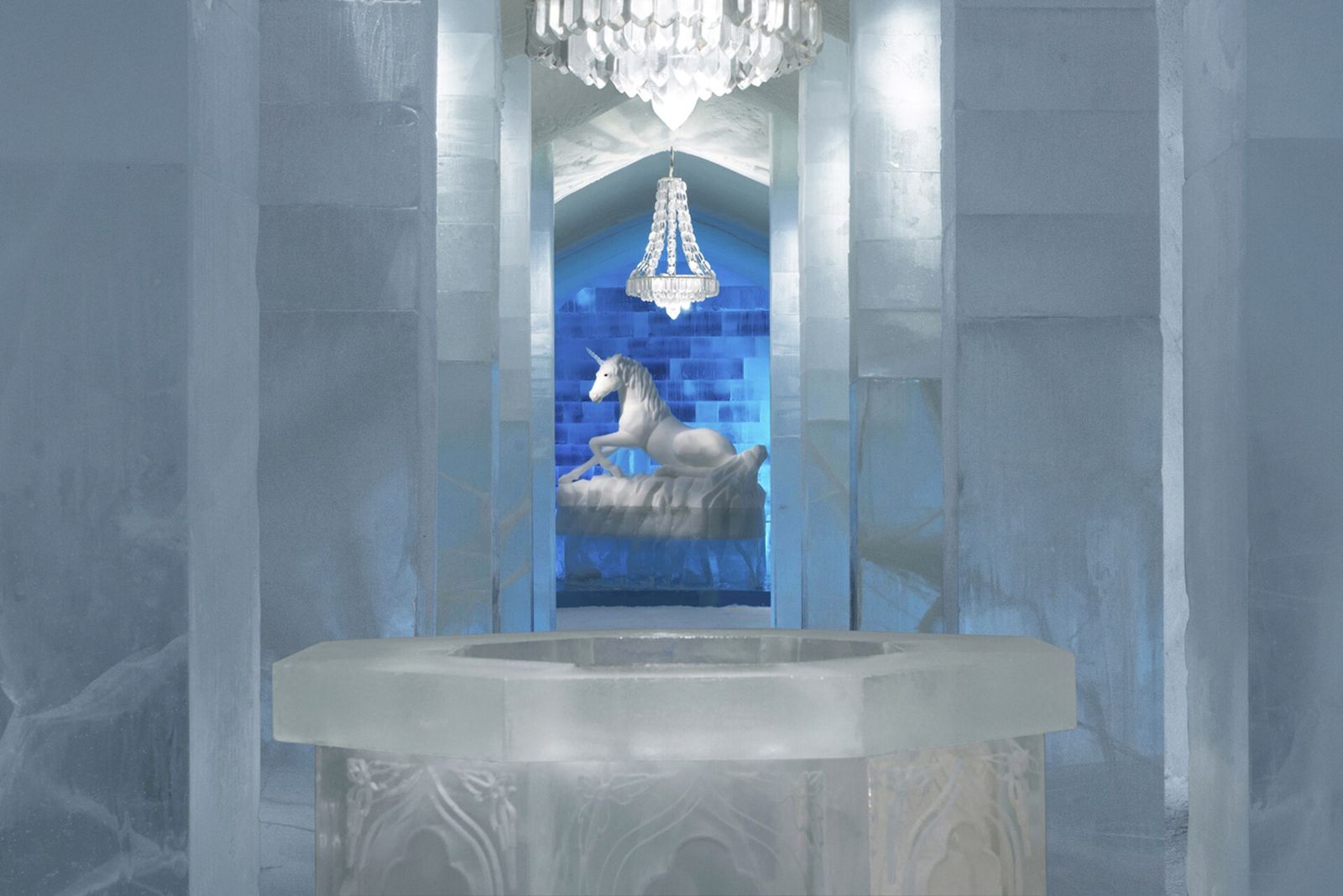
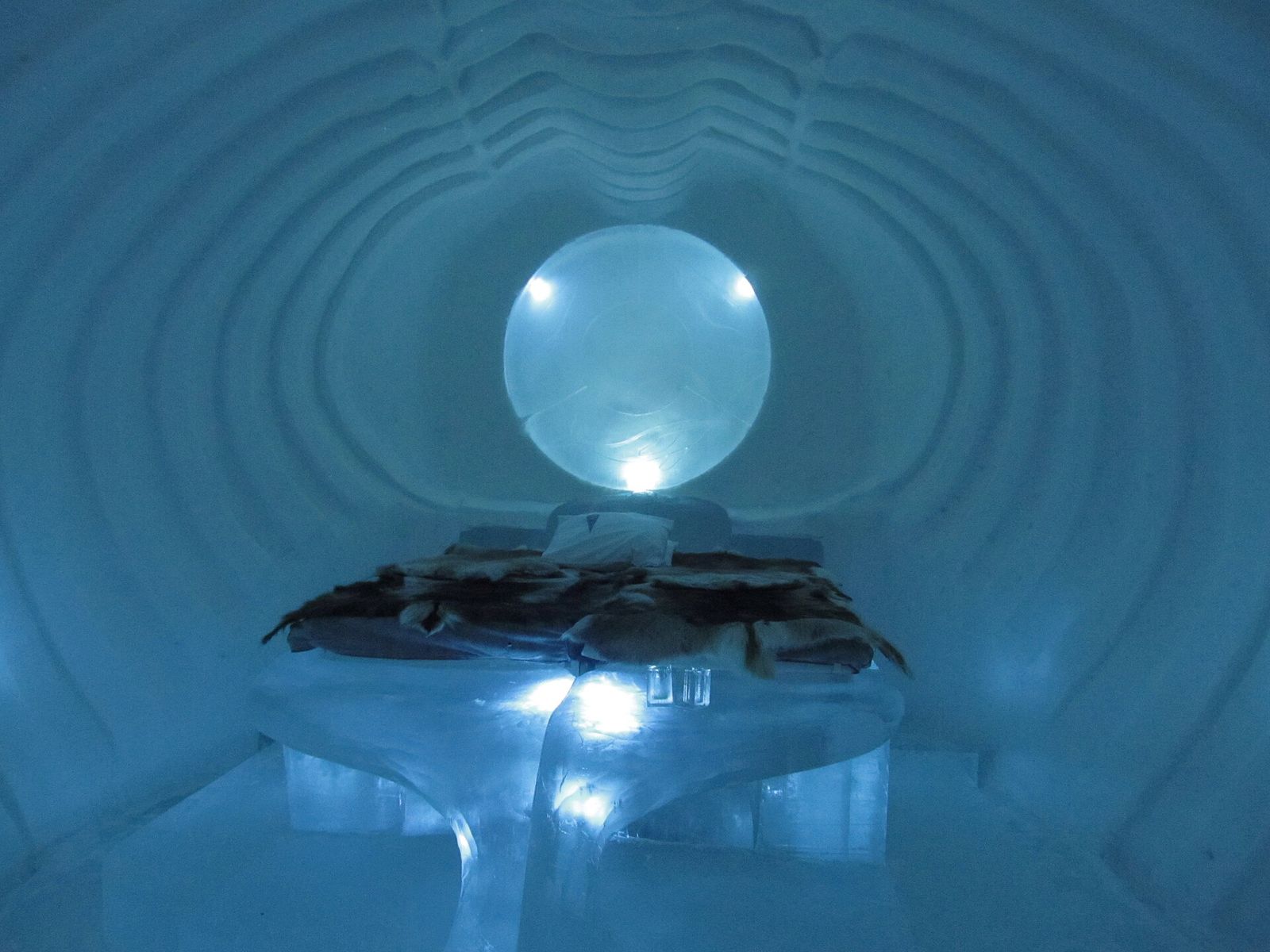
A hotel rebuilt each winter from ice harvested from the Torne River, alongside year-round rooms for warmer nights.
Architecture and atmosphere
Artists and designers create new ice suites every season, so the building is never the same twice.
The surroundings
Arctic forest and river landscape in Swedish Lapland, north of the Arctic Circle near Kiruna.
A building that starts as a river
Every year, ICEHOTEL begins in the Torne River. In late winter, when the river ice near Jukkasjärvi is thick and clear, large blocks are cut and lifted from the surface. They are stored in a cold production hall through the summer. In November, as temperatures drop again, construction of the new seasonal hotel begins, using the stored ice and large quantities of "snice", a mix of snow and ice that is sprayed onto steel moulds to form vaults and walls.
Once the snice has set, the moulds are removed, leaving arched corridors and halls. Ice blocks are then used for pillars, sculptures, furniture and the famous ice glass. By December, the hotel opens. In spring, when temperatures rise, the building slowly melts and the water returns to the river. The cycle has been repeated since the early 1990s. Building the seasonal hotel takes a team of builders and artists several weeks, working in the cold and the short winter daylight.
From an igloo to a hotel
The story began in 1989, when the local entrepreneur Yngve Bergqvist invited Japanese ice artists to Jukkasjärvi and held an exhibition in an igloo on the river. Some visitors asked to sleep inside, using sleeping bags on reindeer hides. That unusual request led to the idea of an ice hotel. In the following years the structure grew larger and more ambitious, becoming known as ICEHOTEL.
Today it is one of the best known places to stay in Sweden, and the concept has inspired ice hotels in other countries. ICEHOTEL itself remains unusual because it combines the temporary seasonal building with art and design on a large scale.
Art suites and design
Each year, artists and designers from around the world submit proposals for art suites. A jury selects designs, and the chosen artists travel to Jukkasjärvi to carve their suites by hand, working with the ICEHOTEL team. The results range from abstract installations to detailed sculptures of animals, objects and dreamlike scenes. Because the suites change every season, no two years are the same.
Besides art suites, there are simpler ice rooms and snow rooms, as well as public spaces like the main hall, the ice chapel and the ice bar. Light is crucial. Carefully placed lighting brings out the textures of the ice, from transparent to milky white, and the colour of the ice changes depending on the angle and type of light.
ICEHOTEL 365
In 2016 a permanent building was added, called ICEHOTEL 365. It contains art suites, an ice bar and a gallery that remain frozen year round. In summer, the building is cooled using solar panels, an unusual idea in the far north, where the midnight sun shines through the night. This means visitors can see ice art even in July, when the seasonal hotel has melted away.
Warm accommodation
ICEHOTEL also has warm accommodation, open all year. This includes hotel rooms, chalets and other buildings around the site. Many guests split their stay, spending one night in a cold room and the rest in a warm room. The warm buildings also house restaurants, a reception area, changing rooms, saunas and luggage storage.
What a cold night involves
The ice rooms are kept at around minus five degrees Celsius, regardless of the temperature outside. Guests sleep on ice beds covered with mattresses and reindeer hides, inside thermal sleeping bags. There are no toilets or showers in the ice building, so guests use the warm facilities nearby. Staff provide a briefing on how to dress and use the sleeping bags. In the morning, guests are usually offered a warm drink and access to saunas.
Behind the scenes: making ice glass and sculptures
Much of the ice used at ICEHOTEL is valued for its clarity. River ice from the Torne is formed slowly, layer by layer, which makes it unusually clear when cut in the right way. In the production hall, blocks are shaped with chainsaws, chisels and specialised tools, then polished to create sculptures, chandeliers and furniture. Drinking glasses for the ice bar are made from the same ice, so your drink is literally served in a piece of the river.
Artists working on suites usually spend a couple of weeks in Jukkasjärvi, often in very cold conditions, working closely with experienced ice builders. For many it is a unique chance to work with ice at large scale. Guests who arrive early in the season may see some of this work still going on, which is fascinating to watch if you get the chance.
Respecting a fragile material
Ice is beautiful but delicate. Touching sculptures, leaning on walls or using bright camera flashes in narrow spaces can damage surfaces over time. Follow the guidance from staff, keep your hands to yourself in the art suites and avoid sitting on carved pieces unless they are designed for it. Its a small effort that helps keep the hotel looking good for everyone untill it melts in spring.
The setting: Jukkasjärvi and the Torne River
Jukkasjärvi is a small village around 17 kilometres east of Kiruna, in Swedish Lapland, about 200 kilometres north of the Arctic Circle. The Torne River flows past the village, wide and calm, freezing solid in winter. The landscape is forest, river and open sky. The village church, a wooden building from the 17th century, is one of the oldest surviving buildings in Swedish Lapland.
The area is part of Sápmi, the homeland of the Sámi people. Reindeer herding is still practised, and some local experiences are run by Sámi families. In winter, activities include dog sledding, snowmobiling, northern lights tours and ice fishing. In summer, the midnight sun allows long days of hiking, rafting and fishing.
Before you visit: what to check
The seasonal ICEHOTEL usually opens in December and stays open until around April, depending on the weather. Exact dates vary each year, so check the official website. ICEHOTEL 365 and the warm accommodation are open year round. Day visits and guided tours of the ice buildings have generally been possible for non guests, usually with a ticket and at specific times.
Kiruna Airport is about 15 minutes away by road, with flights from Stockholm. Trains also connect Kiruna with Stockholm, including night trains. Temperatures in winter can drop well below minus 20 degrees Celsius, and daylight is very short around December and January. Pack proper winter clothing, though overalls and boots are sometimes available to borrow or rent.
Practical tips for visiting ICEHOTEL
- Check seasonal opening dates and art suite viewing times on the official website.
- Book a cold room for one night and warm rooms for the rest of your stay.
- Wear thermal base layers and a hat inside the sleeping bag, not heavy outer clothing.
- Keep phones and cameras warm, as batteries drain quickly in the cold.
- Visit the ice building during the day to see the art suites before guests check in.
- Combine ICEHOTEL with a Sámi led experience to learn about the culture of the region.
Questions travellers ask
When does ICEHOTEL open each year?
The seasonal ice hotel usually opens in December and stays open until around April, depending on the weather. ICEHOTEL 365 is open year round.
How cold is it inside an ice room?
The ice rooms are kept at around minus five degrees Celsius, and guests sleep in thermal sleeping bags on reindeer hides.
Can I visit ICEHOTEL without spending the night?
Yes. Day visits and guided tours have generally been available for non guests. Check current options on the official website.