Historic Hotel
Ashford Castle
Cong, County Mayo, Ireland
Updated · 6 min read
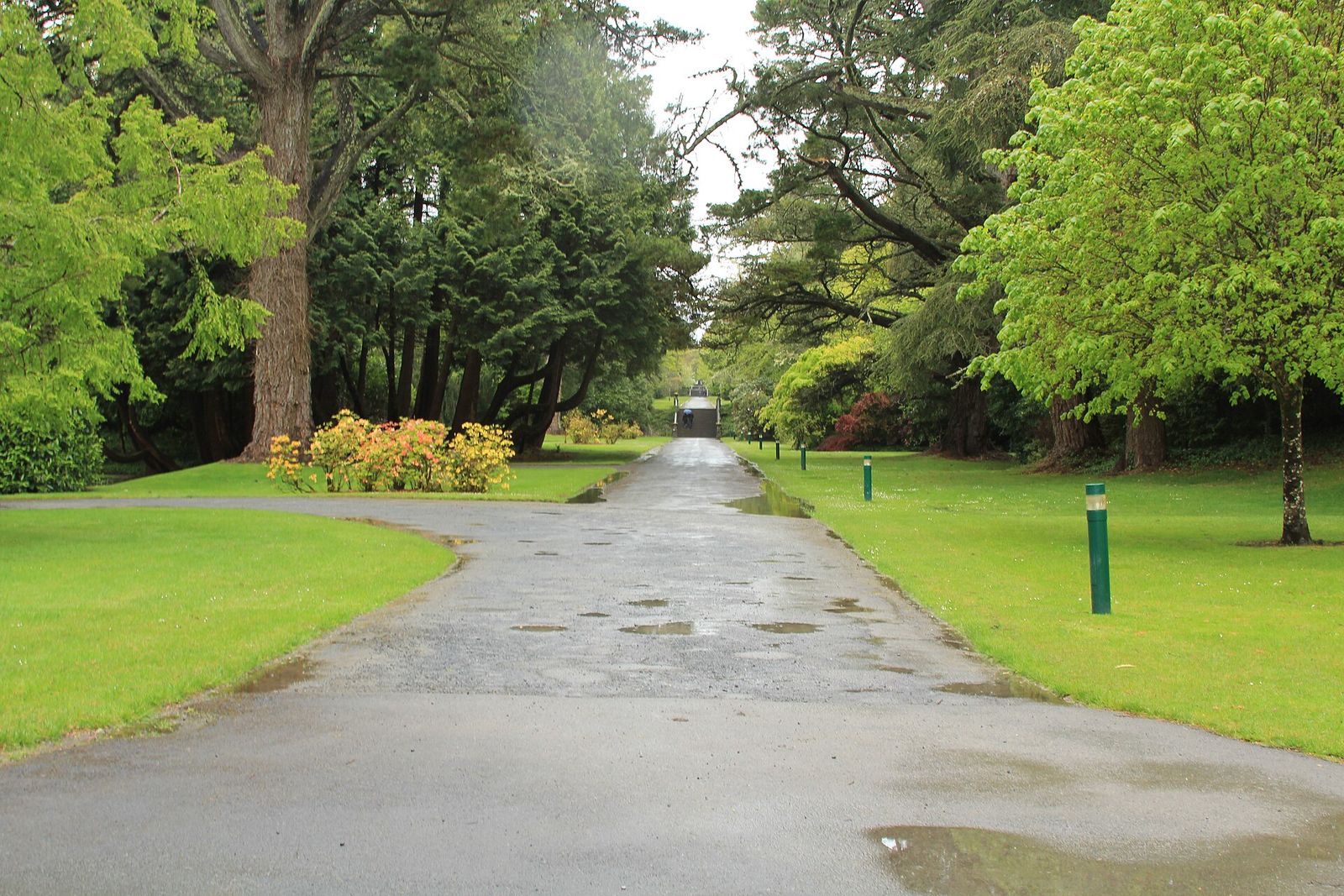
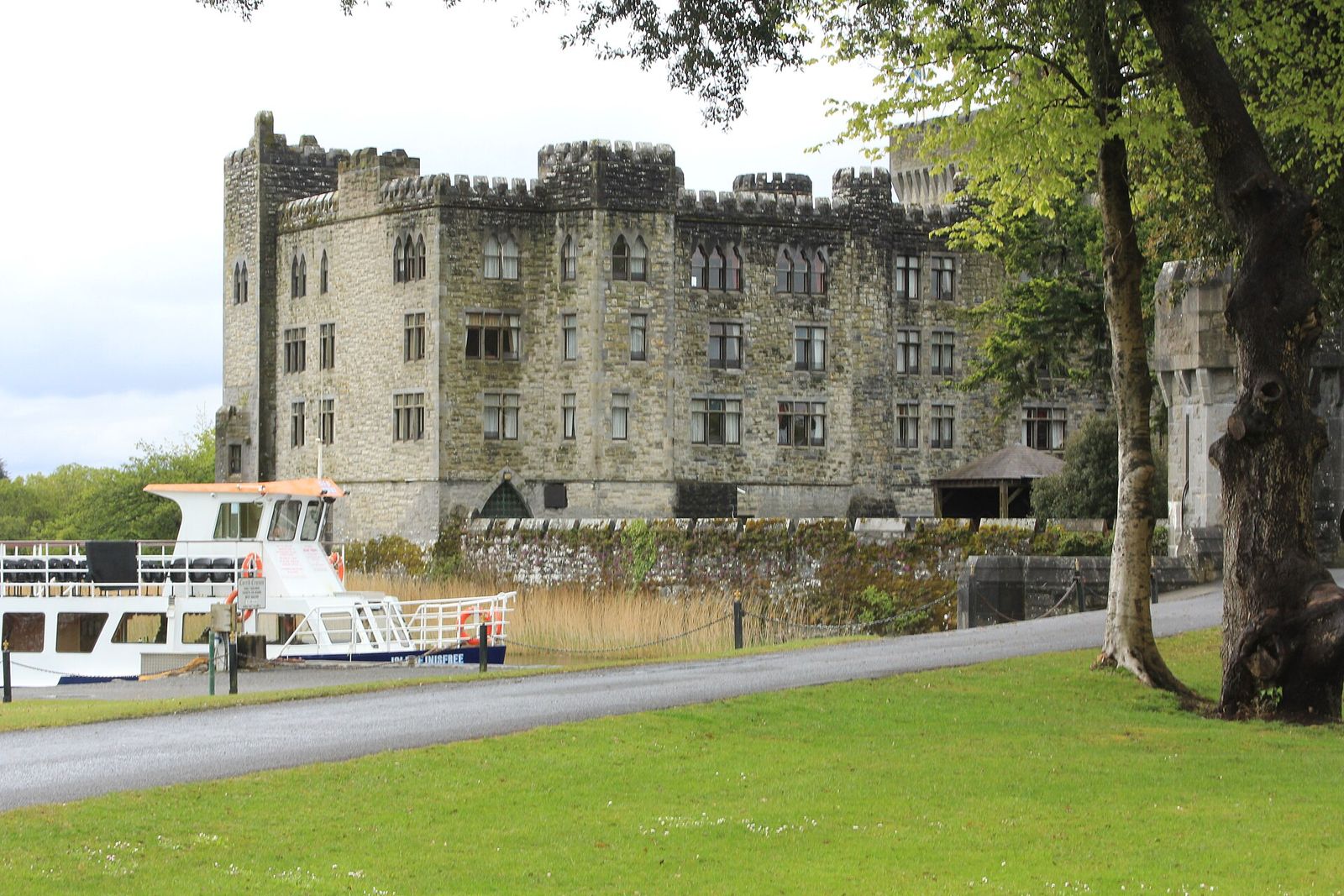
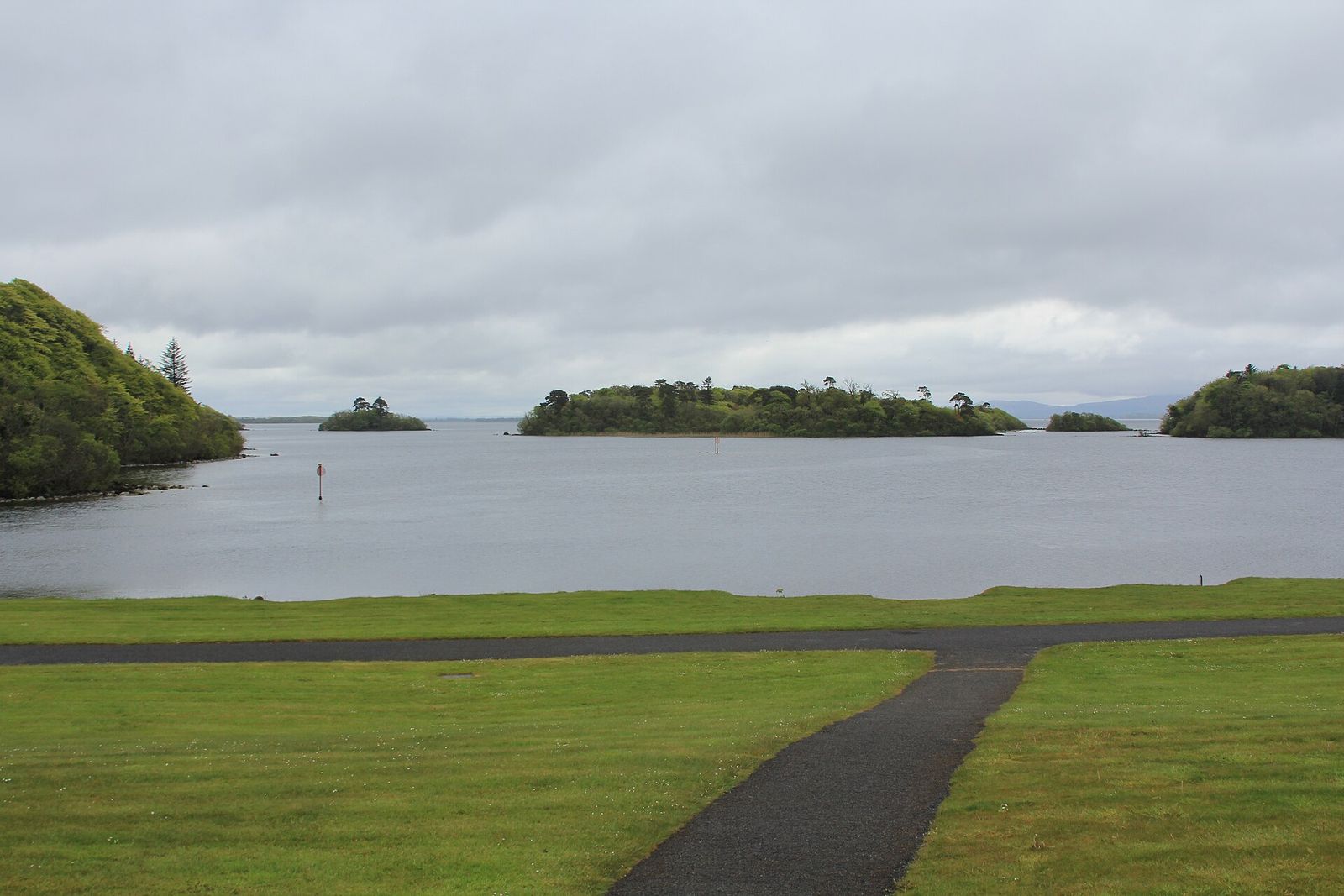
A castle hotel on the edge of Lough Corrib whose origins reach back to the medieval period, later expanded by the Guinness family into the romantic estate seen today.
Architecture and atmosphere
Stone towers, battlements and Victorian additions sit together in a building that has grown over centuries, with formal rooms that keep the character of a grand country house.
The surroundings
Woodland, lake shore and the village of Cong surround the estate, close to the border between County Mayo and County Galway.
Reading the building from the outside
Approach Ashford Castle from the main avenue and the building unfolds slowly. First you see the trees, then the water, then a line of grey towers and battlements rising behind a stone bridge over the river. It looks like one coherent medieval fortress. It is not. What stands here today is the result of roughly eight centuries of building, demolition and reinvention, and part of the pleasure of a visit is learning to read those layers.
The oldest part of the story belongs to the de Burgo family, Anglo Normans who established a stronghold here in the 13th century after their campaigns against the O'Connor kings of Connacht. Very little of that early castle is easy to identify now. Later owners added a French style hunting lodge in the 18th century, which still forms part of the core of the building, and the big Victorian expansion came afterwards.
The Guinness decades
In 1852 the estate was bought by Benjamin Lee Guinness, of the Dublin brewing family. He and especially his son Arthur Edward Guinness, later Lord Ardilaun, transformed it. They added the large castellated wings, the towers facing the lake and much of the Gothic revival detail you see in the stonework. They also reshaped the landscape, planting woodland on a large scale, building roads and laying out the formal gardens. Lord Ardilaun was a serious gardener and forester, and the trees he planted are now mature woods that frame almost every view.
It helps to look closely at the details. Victorian builders loved symbolism, and you will see carved heraldry, pointed arches and window tracery that refer back to medieval styles without actually being medieval. The effect is romantic rather than strictly historical, and that was the point.
Inside: a grand country house
Ashford became a hotel in 1939, when it was bought by Noel Huggard, whose family were hoteliers in Ireland. Since then it has had several owners. In 2013 it was acquired by the Red Carnation Hotel Collection, which carried out a long and detailed restoration of the interiors, reopening rooms, refurbishing public spaces and bringing back a sense of the house as it might have looked in its Victorian heyday.
Inside, the atmosphere is of a large country house rather than a fortress. Expect dark wood panelling, carved ceilings, oil paintings, heavy fabrics, antique furniture and open fires in cooler months. Corridors are long and sometimes confusing at first, which is normal in a building that has grown in stages. Rooms vary a lot in size and outlook, from smaller rooms with woodland views to large suites overlooking Lough Corrib.
The dining rooms
The main dining room, named after George V, who visited when he was Prince of Wales, is one of the most formal spaces in the castle, with chandeliers and long windows. Other restaurants and bars on the estate are more relaxed. Many historic hotels in Ireland keep a smart dress code in the evening, so check current guidance before you pack.
The estate in detail
The castle sits within an estate of several hundred acres, stretching along the northern shore of Lough Corrib and the river that links it to Lough Mask. It includes lawns, formal gardens, woodland walks, a walled garden and parts of the lakeshore. Walking paths connect most areas, and much of the pleasure of staying here comes from simply walking, especially early in the morning.
Look for the terrace gardens in front of the castle, laid out in a formal style that contrasts with the wild woods beyond. The broadwalk leads towards the lake, and small bridges and follies appear along the riverbank. In spring, rhododendrons and azaleas add colour to the woods. Its easy to lose track of time here.
Falconry and other activities
Ireland's School of Falconry has been based at Ashford since the late 1990s. Visitors can join hawk walks through the woods with Harris hawks, guided by experienced falconers, which is one of the most popular experiences on the estate. Other activities have included fishing on the lake and river, clay shooting, archery, horse riding, golf on a parkland course and boat trips. Not all of these are offered year round, and some are run by partner businesses, so check what is available for your dates.
Cong: the village at the gate
Cong is right on the castle's doorstep, a small village of stone houses, a few pubs, shops and the ruins of Cong Abbey. The abbey was an Augustinian foundation, and its carved doorways and cloister remains date mostly from the 12th and 13th centuries. Beside it, the little Monks' Fishing House sits over the river, built so that the monks could catch fish through a trapdoor in the floor. It is a charming detail and a reminder of how practical medieval life could be.
The village is also known for John Ford's 1952 film "The Quiet Man", starring John Wayne and Maureen O'Hara, much of it filmed in and around Cong and the Ashford estate. The film still draws fans, and you will see references to it around the village. Even if you have no interest in the movie, Cong is a pleasant place to wander for an hour.
Setting: between Mayo and Galway
Ashford lies almost exactly on the boundary between County Mayo and County Galway. To the south and west lies Connemara, a landscape of mountains, bogs, lakes and Atlantic coast. To the north are the plains and hills of Mayo, with Croagh Patrick near Westport. The estate itself sits on a narrow strip of limestone land between two large lakes, which gives the area a lot of hidden caves and underground streams. Some of these, like the Pigeon Hole cave near Cong, can be visited with care.
Before you visit: what to check
Because it is a working hotel with a large estate, access rules for visitors who are not staying have changed over time. In some periods, day visitors have been able to walk parts of the grounds, sometimes with a fee or limited hours, while other areas are reserved for residents. Check the current policy directly with the castle before planning a visit just to see the grounds.
Think also about the time of year. Ireland's weather is changeable, and rain is likely at some point in any season. The estate is beautiful in soft grey weather, but bring waterproof layers and shoes. Summer brings long evenings and the busiest period, while late autumn and winter are quieter, with fires lit in the castle and shorter days.
Practical tips for visiting Ashford Castle
- Check whether non residents can currently access the grounds, and whether a fee or reservation is needed.
- Reserve falconry and other activities ahead, as numbers are limited and sessions fill up in summer.
- Pack smart clothes for dinner if you plan to eat in the main dining room, and check the dress code.
- Allow time to walk into Cong for the abbey and the Monks' Fishing House, both within easy reach.
- Bring rain gear even in summer, estate paths can be wet and muddy after showers.
- Use the castle as a base for Connemara, but start early since roads are narrow and slow.
Questions travellers ask
Is Ashford Castle really medieval?
The site has medieval origins from the 13th century, but most of the building you see today was added or rebuilt in the 18th and especially the 19th century by the Guinness family.
Who owns Ashford Castle today?
Since 2013 the castle has been owned by the Red Carnation Hotel Collection, which carried out a major restoration.
Can I see the falconry without staying at the castle?
The falconry school has offered experiences to visitors as well as hotel guests at times. Check current arrangements with the castle or the school.